
Belcastel Preserves Historic Stone Architecture and Medieval Heritage
Belcastel, a historic village in France's Aveyron region home to 189 residents, protects its medieval heritage. Discover local travel and dining tips.

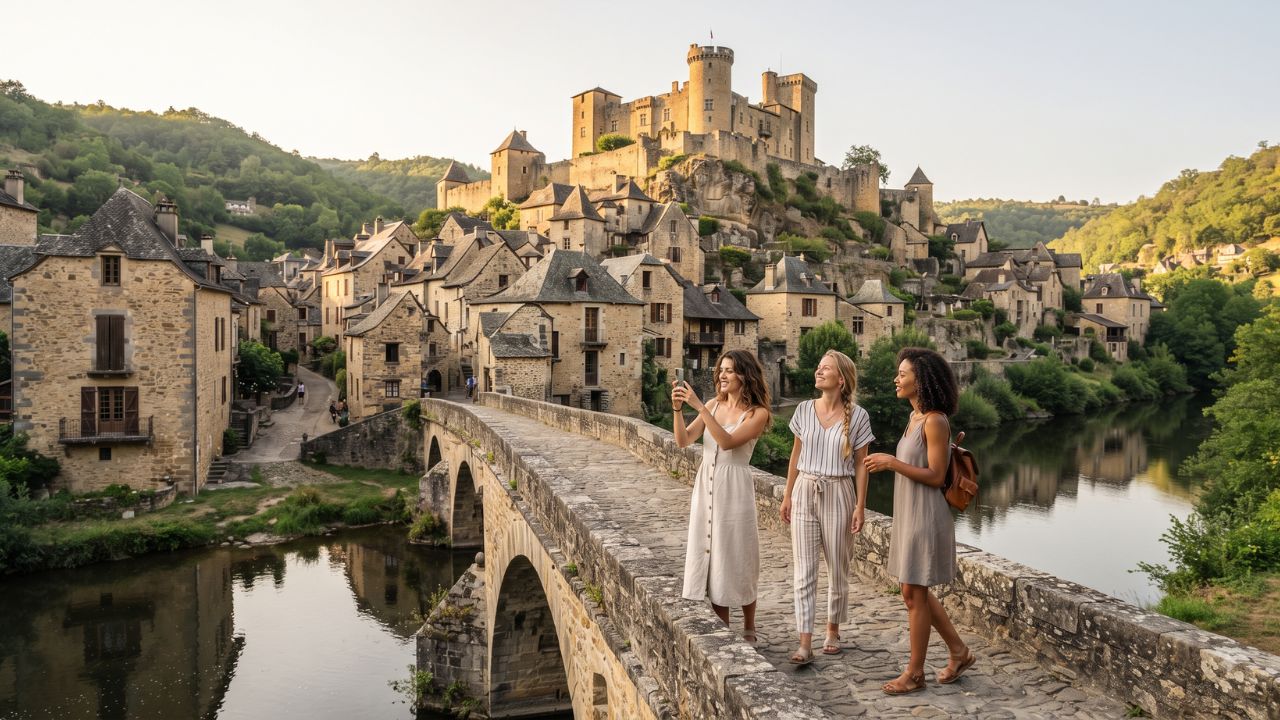
Image generated by AI
Home to only 189 residents, the medieval village of Belcastel in France’s Aveyron region highlights a successful restoration model that began in 1974.
Medieval Preservation and Chateau Restoration in Belcastel
Belcastel, situated in France’s Aveyron region along the Aveyron River, continues to attract travelers with its untouched medieval charm and stone architecture. The village is home to only around 189 residents, offering a rare look at a traditional settlement that has escaped modern urban development. During much of the 20th century, the village was protected by its geographic isolation, accessible only via challenging rural tracks.
A defining moment in the village's modern history occurred in 1974, when restoration work began on its historic hilltop château. By the 1970s, the fortress had fallen into serious decline and stood close to ruin. The restoration project carefully rebuilt the château while respecting its original medieval character, encouraging local property owners to restore their own historic stone homes. Today, the village features traditional buildings with architectural elements dating back to the 15th century, linked by a centuries-old stone bridge crossing the Aveyron River. This combined preservation movement earned the village an official classification under the association of 'Les Plus Beaux Villages de France' (The Most Beautiful Villages of France).
Slow Travel and Cultural Protection in rural Aveyron
For the visitor, the real impact of Belcastel's preservation model is the chance to experience slow travel in its truest form. By choosing to stay in restored stone guesthouses and dining at local establishments, tourists directly support the local economy of this small community. Tourism initiatives in the region prioritize environmental sustainability, keeping the Aveyron River clean and protecting the surrounding countryside from commercialization.
The Aveyron Tourism Board (Tourisme Aveyron) emphasizes the value of heritage preservation in rural areas. Rather than promoting mass tourism, local authorities advocate for responsible tourism that respects the lifestyle of the 189 residents. Visitors are encouraged to explore the area on foot, reducing carbon emissions and allowing a deeper appreciation of the historic structures and rural biodiversity.
Local Insider Tips for Visiting Belcastel
To make the most of your journey through the Aveyron region, keep these practical visitor tips in mind:
- Identify Off-Peak Visit Windows: Visit Belcastel during the spring (April to May) or autumn (September to October). These shoulder seasons offer pleasant weather, vibrant autumn foliage or spring blooms, and a quieter atmosphere, avoiding the dense summer tourist crowds.
- Observe Temple and House Etiquettes: Since the village has only around 189 residents, keep noise levels low when walking through the narrow residential alleyways. Always respect private property when photographing the historic stone facades. A polite greeting in French (Bonjour) goes a long way when interacting with local business owners.
- Savor Local Dining Specialties: Dine at riverside restaurants specializing in traditional Aveyron cuisine. Try aligot (a smooth, comforting blend of mashed potatoes, melted tomme cheese, garlic, and cream) paired with regional meats. Choose family-run dining spots to ensure your tourist spending directly benefits local restaurateurs.
- Explore Under-the-Radar Heritage Sites: Walk past the castle to find the old paths leading to the historic bread oven (four banal), which was once used by the entire village. Alternatively, hike along the riverbanks toward the nearby ruins of the Fort du Lourdou, a quiet, lesser-known historic site.
Long-Term Outlook for Aveyron's Heritage Tourism
As interest in slow travel grows, rural destinations like Belcastel face the double task of welcoming travelers while protecting their heritage. The success of the 1974 château restoration shows that architectural preservation can revitalize rural economies without sacrificing local culture.
In the long run, the Aveyron region's commitment to low-impact tourism will serve as a model for other historic villages in France. By maintaining strict building codes and limiting large-scale commercial development, the community ensures that future generations can experience an authentic medieval atmosphere. Reaching this remote valley will continue to require careful planning, but the reward remains a peaceful, timeless journey into France's historical roots.
Related Travel Guides
Disclaimer
This article is for informational and educational purposes only. It does not constitute legal, financial, or professional advice. While we strive to provide accurate and up-to-date information, travel policies, regulations, and conditions change rapidly. Always verify information with official sources before making travel decisions. Nomad Lawyer makes no representations about the accuracy, reliability, completeness, or suitability of the information provided. Readers should consult qualified professionals for advice specific to their circumstances. The views expressed in this article are those of the author and do not necessarily reflect the views of Nomad Lawyer.
Preeti Gunjan
Contributor & Community Manager
A passionate traveller and community builder. Preeti helps grow the Nomad Lawyer community, fostering engagement and bringing the reader experience to life.
Learn more about our team →