
Forget Paris Gorgeous: France's Hidden Villages Reveal 2026's Best-Kept Secrets
France's lesser-known villages offer authentic medieval architecture, vineyard landscapes, and cultural experiences that rival Paris. Discover storybook destinations transforming 2026 travel beyond crowded capitals.

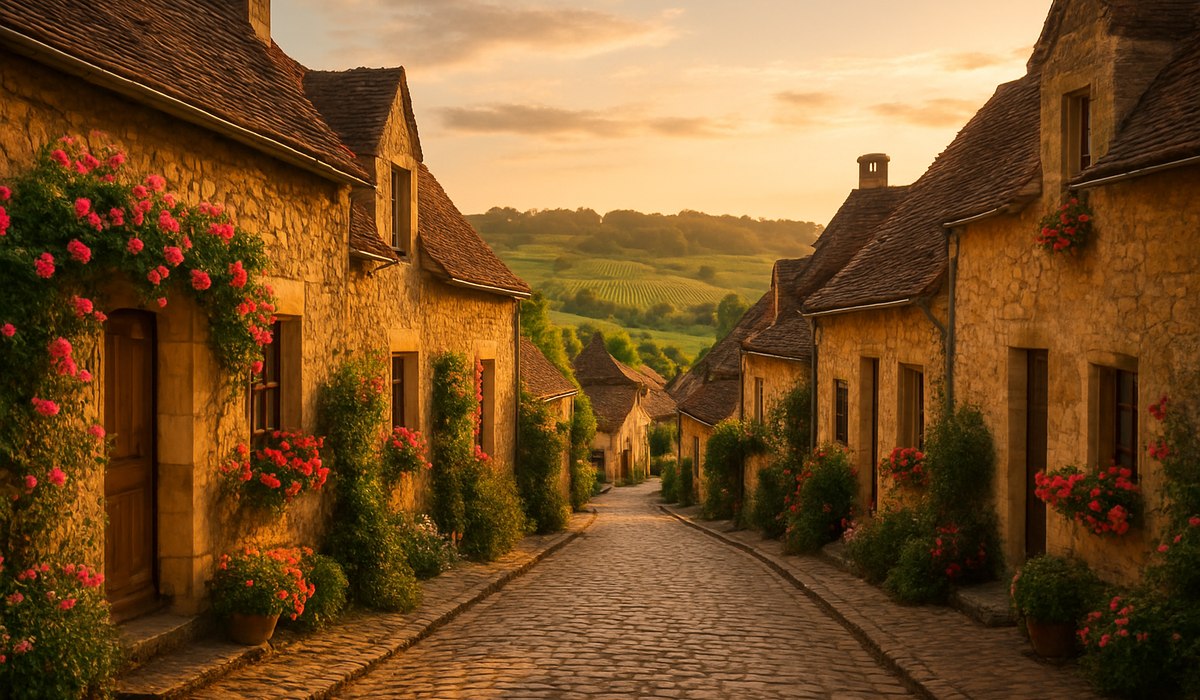
Image generated by AI
Beyond the Eiffel Tower: France's Storybook Villages Emerge as 2026's Premier Destinations
Travelers seeking authentic French experiences are abandoning Paris crowds for charming villages that showcase medieval architecture, local traditions, and vineyard-dotted landscapes. Travel analysts report surging interest in lesser-known French destinations throughout 2026, as global wanderers prioritize cultural immersion over mass-tourism hotspots. These forgotten gems reveal France's true character through cobblestone streets, centuries-old stone buildings, and tight-knit communities where traditional craftsmanship and regional cuisine thrive. From Burgundy's wine villages to Provence's lavender-covered hills, France's countryside destinations deliver storybook scenes that rival or exceed Paris as must-visit locations. Tourism boards across rural France are documenting record booking inquiries, signaling a fundamental shift in how travelers approach French exploration in 2026.
Medieval Villages Worth the Journey
France's medieval villages represent architectural time capsules that transport visitors centuries backward. Forget Paris gorgeous expectations—these villages deliver authentic atmosphere without international crowds. Towns like Roquebrun in Languedoc feature castle ruins perched above narrow alleyways, while Pérouges near Lyon preserves Renaissance-era buildings with remarkable fidelity. Villagers maintain traditional crafts including pottery, textile weaving, and blacksmithing, allowing travelers to observe living heritage. Many medieval villages organize summer festivals celebrating local history, music, and regional costumes. These intimate gatherings provide cultural depth impossible to experience in major tourist centers.
For comprehensive guidance on medieval French destinations, consult the Bourgogne-Franche-Comté tourism authority which documents over sixty protected historical villages. Medieval village exploration typically requires slower travel—plan minimum three-day stays to appreciate architecture, dine at family-run restaurants, and participate in community experiences. Many villages offer guided archaeological tours revealing construction techniques and social structures from the Middle Ages forward.
Vineyard Landscapes and Wine Country Escapes
Wine country villages define France's rural identity while offering sensory-rich travel experiences. Alsace's wine villages including Ribeauvillé and Riquewihr showcase half-timbered buildings reflecting Germanic and French architectural traditions. Burgundy's Côte d'Or region combines prestigious vineyards with intimate village life, where cellar doors welcome casual visitors for tastings and educational conversations with winemakers. The Loire Valley produces exceptional wines while maintaining village charm—towns like Amboise balance vineyard tourism with historical châteaux exploration.
Forget Paris gorgeous marketing when Provence's wine villages deliver Michelin-starred dining paired with golden-hour vineyard views. Many villages organize harvest festivals during September-October, enabling travelers to participate in grape selection and traditional winemaking processes. Accommodation options range from family-run auberges to luxury wine hotels, allowing flexible budget planning. Wine tourism directly supports local economies, making visitor expenditures immediately benefit village residents rather than distant hotel corporations.
For detailed wine region planning, reference the French Wine Tourism Board which coordinates regional experiences. Most villages offer half-day and full-day guided vineyard tours ranging from €35-85 per person.
Local Traditions and Cultural Experiences
Village life preserves French traditions largely disappeared from urban centers. Markets operating for centuries continue weekly rhythms in village squares, where farmers sell seasonal produce, artisans offer handcrafted goods, and locals conduct decades-old social rituals. Cheese markets in Normandy, herb markets in Provence, and bread competitions throughout the country celebrate regional identity while welcoming curious travelers.
Religious architecture dominates village centers—Gothic chapels, Romanesque churches, and monastery ruins tell spiritual history through stone craftsmanship. Many villages maintain hospice traditions offering modest accommodations and meals at historic prices, allowing budget-conscious travelers to experience community hospitality. Family businesses including bakeries, butcheries, and restaurants operate continuously for generations, with proprietors maintaining recipes and techniques passed through family lines.
Forget Paris gorgeous tourist attractions when village Christmas markets, summer music festivals, and Easter processions deliver authentic cultural participation. Regional languages including Occitan, Breton, and Basque persist in village communities, enriching linguistic diversity. Educational programs through village tourism offices teach visitors basic regional language phrases, traditional cooking techniques, and historical context before travel.
Planning Your French Village Adventure
Strategic timing maximizes village exploration experiences. Late May through early June and September through October offer optimal weather, manageable tourist density, and festival calendars. Summer months bring heat and international crowds to popular villages, elevating accommodation costs while diminishing authentic local interaction. Winter provides solitude and authentic village atmosphere as seasonal travelers depart, though reduced restaurant hours and closed attractions require advance planning.
Transportation logistics influence village accessibility. Regional train networks connect major villages, though driving rental cars provides scheduling flexibility and countryside exploration. Bus services including FlixBus and regional operators serve smaller destinations at economical rates. Many villages offer bike rental facilities enabling car-free exploration of surrounding vineyard landscapes and countryside routes.
Accommodation selection determines cultural immersion quality. Family-run guesthouses (chambres d'hôtes) provide proprietor expertise, local recommendations, and breakfast featuring regional products. Vacation rentals enable extended stays supporting local restaurant and market economies. Hotel chains, concentrated in regional capitals, sacrifice village authenticity for standardized amenities. Most villages offer guided tour options including food heritage experiences, architectural walking tours, and agricultural visits.
Key Data: France's Village Transformation and Travel Impact
| Village Name | Region | Primary Industry | Population | Notable Feature | 2026 Visitor Growth |
|---|---|---|---|---|---|
| Roquebrun | Languedoc | Wine + Tourism | 285 | Castle ruins, medieval streets | 47% |
| Pérouges | Auvergne-Rhône-Alpes | Heritage tourism | 1,150 | Renaissance architecture, craft studios | 34% |
| Ribeauvillé | Alsace | Wine tourism | 4,800 | Half-timbered buildings, wine cellars | 52% |
| Amboise | Loire Valley | Wine + Heritage | 11,500 | Royal château, vineyard access | 38% |
| Gordes | Provence | Art + Wine | 2,000 | Stone architecture, lavender regions | 61% |
| Saint-Émilion | Bordeaux | Wine tourism | 1,700 | UNESCO site, vineyard tours | 43% |
What This Means for Travelers
Forget Paris gorgeous crowding—village travel offers measurable wellness and cultural benefits in 2026.
-
Escape overcrowding: Village destinations average 2,500-5,000 annual visitors compared to Paris's 30 million, delivering authentic French interaction and reduced stress.
-
Maximize budget efficiency: Village accommodation costs 35-60% less than Paris hotels while providing superior breakfast inclusion and hospitality. Wine tastings and regional dining feature premium-quality experiences at economical pricing.
-
Participate in authentic culture: Villages enable meaningful community engagement impossible in major cities—farmers' market shopping, family meal preparation, and festival participation connect travelers with living traditions.
-
Develop sustainable travel practices: Supporting village tourism directly funds historical preservation, language maintenance, and agricultural traditions while avoiding exploitative mass-tourism models.
-
Plan extended stays: Village exploration rewards multi-day commitments enabling deeper cultural understanding. Three-day minimum stays typically reveal character unavailable during day-trip visits.
-
Coordinate regional clusters: Grouping nearby villages into single-region itineraries—Burgundy wine villages, Provençal destinations, or Loire châteaux towns—optimizes transportation efficiency and thematic coherence.
Frequently Asked Questions
What is the best season to visit France's villages?
Late May through early June and September through October offer ideal conditions—pleasant weather
Disclaimer
This article is for informational and educational purposes only. It does not constitute legal, financial, or professional advice. While we strive to provide accurate and up-to-date information, travel policies, regulations, and conditions change rapidly. Always verify information with official sources before making travel decisions. Nomad Lawyer makes no representations about the accuracy, reliability, completeness, or suitability of the information provided. Readers should consult qualified professionals for advice specific to their circumstances. The views expressed in this article are those of the author and do not necessarily reflect the views of Nomad Lawyer.
Raushan Kumar
Founder & Lead Developer
Full-stack developer with 11+ years of experience and a passionate traveller. Raushan built Nomad Lawyer from the ground up with a vision to create the best travel and law experience on the web.
Learn more about our team →