
Barcelona Implements 'Not One Tourist More' Campaign With €12 Overnight Charges to Combat Overtourism in 2026
Barcelona launches a drastic overtourism crackdown featuring the 'Not One Tourist More' campaign and overnight taxes reaching €12 to protect local housing and infrastructure.

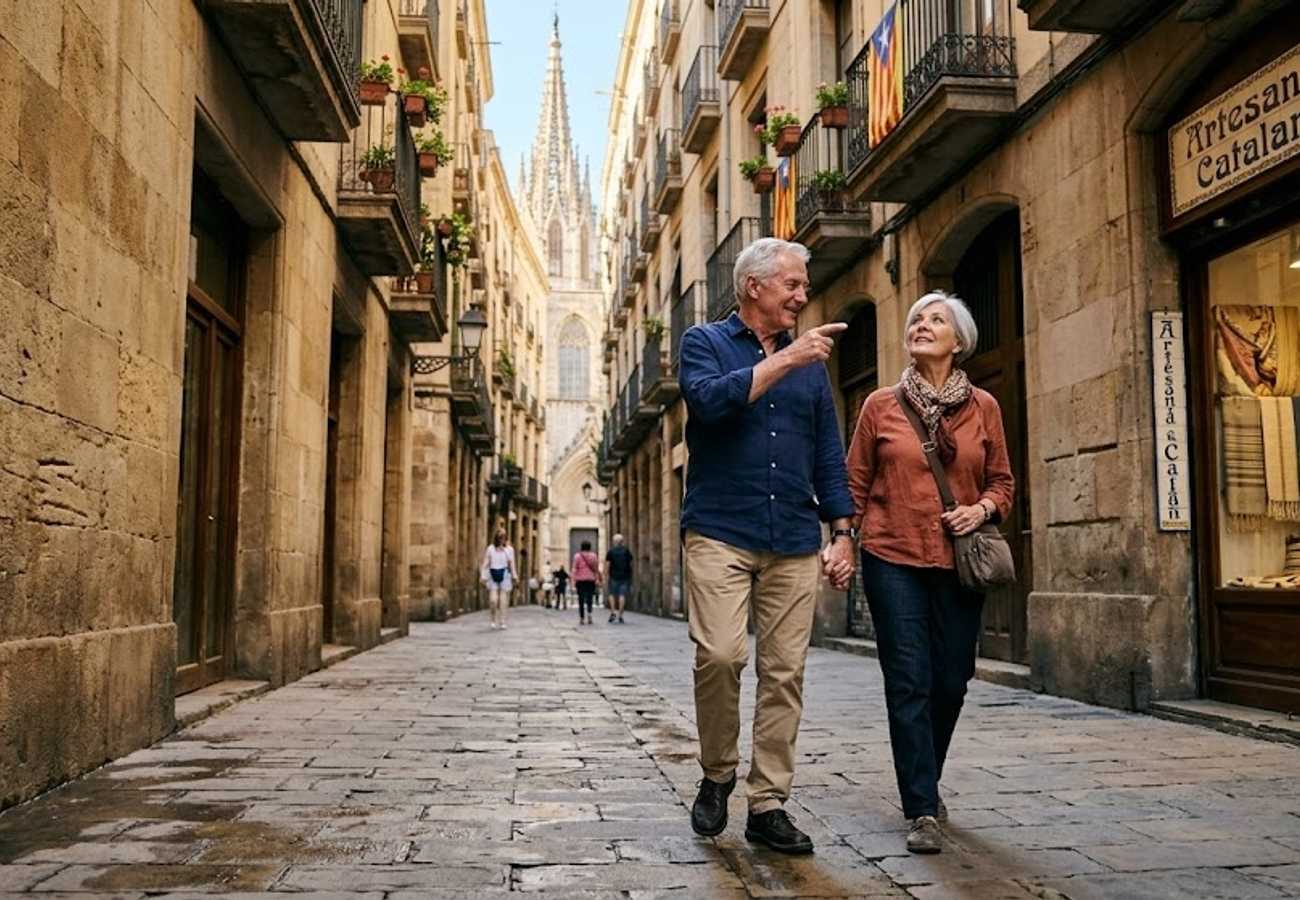
Image generated by AI
Barcelona has declared a definitive shift in its tourism strategy, launching the "Not One Tourist More" campaign to pivot from volume-based growth to a quality-focused model. The city is implementing aggressive financial deterrents, including overnight taxes of up to €12, to mitigate the impact of mass tourism on local residents.
The Disruption: A Structural Shift in Spanish Tourism
Barcelona, located in the Catalonia region, has reached a critical saturation point. City authorities have determined that unlimited visitor growth is no longer sustainable, citing severe pressure on public infrastructure, the erosion of cultural identity, and a housing crisis driven by short-term rentals.
The "Not One Tourist More" initiative is not a total ban on international arrivals but a strategic recalibration. The city aims to reduce the frequency of short-term, high-impact visits and instead attract high-value travelers who stay longer and distribute their spending across a wider range of neighborhoods.
Impact Breakdown: Taxes and Restrictions
The crackdown targets three primary areas: luxury accommodation, short-term rentals, and the cruise industry.
Accommodation and Overnight Charges The city has increased visitor taxes, combining the Catalonia regional levy with a specific Barcelona municipal surcharge.
- Luxury Tier: Five-star hotels and luxury accommodations now face charges of approximately €12 per person, per night.
- Financial Impact Example: A couple staying five nights in a luxury hotel will incur approximately €120 in tourism taxes alone (€12 x 2 people x 5 nights).
Housing and Short-Term Rentals To combat the displacement of local residents in neighborhoods such as the Gothic Quarter, Barceloneta, El Born, Gràcia, and Eixample, the city is taking direct action:
- License Revocation: Authorities are removing thousands of tourist apartment licenses to return properties to the residential long-term market.
- Zoning Focus: Strict oversight is being applied to areas where traditional communities have been replaced by tourism-centric businesses.
Cruise Passenger Restrictions Cruise tourism is identified as a primary driver of "sudden wave" congestion.
- Short-Stay Surcharges: The city is proposing charges for cruise passengers staying less than 12 hours.
- Projected Costs: Combined charges could reach approximately €30 per passenger, including a municipal surcharge of up to €24.
- Strategic Goal: Transitioning from "stopover" tourism to "embarkation/disembarkation" tourism to increase economic yield per visitor.
Passenger Rights & Advisory: Navigating the New Costs
For the affected traveler, these changes mean that the "sticker price" of a hotel room or cruise is no longer the final cost. Our analysis of the current policy suggests that travelers must now account for non-refundable municipal levies that are often collected at checkout rather than during the initial booking.
Actionable Advice for Visitors:
- Budget for "Hidden" Levies: When calculating trip costs, add a buffer of €12 per person/night for high-end stays. These taxes are typically mandatory and cannot be waived by the hotel.
- Verify Rental Legality: With the mass revocation of licenses, ensure your short-term rental is officially registered. Unlicensed properties are subject to immediate closure, which could leave travelers without accommodation.
- Avoid Peak Hubs: To avoid the extreme crowds at the Sagrada Família, Park Güell, and Las Ramblas, we recommend exploring secondary neighborhoods to align with the city's "responsible tourism" goals.
Industry Analyst View
Barcelona is acting as a bellwether for the rest of Europe. The "Not One Tourist More" campaign is a response to a systemic failure where the economic benefits of tourism are outweighed by the social costs to the citizenry.
By targeting cruise passengers and luxury stays, Barcelona is attempting to "filter" its visitor demographic. This shift from quantity to quality is likely to be mirrored in other Mediterranean hubs—such as Venice and Amsterdam—as they grapple with the recovery of international travel in 2026. The success of this experiment will depend on whether the increased tax revenue can effectively offset the loss of high-volume, low-spend visitors.
The era of unrestricted urban tourism in Europe is officially ending.
Related Travel Guides
Disclaimer
This article is for informational and educational purposes only. It does not constitute legal, financial, or professional advice. While we strive to provide accurate and up-to-date information, travel policies, regulations, and conditions change rapidly. Always verify information with official sources before making travel decisions. Nomad Lawyer makes no representations about the accuracy, reliability, completeness, or suitability of the information provided. Readers should consult qualified professionals for advice specific to their circumstances. The views expressed in this article are those of the author and do not necessarily reflect the views of Nomad Lawyer.
Preeti Gunjan
Contributor & Community Manager
A passionate traveller and community builder. Preeti helps grow the Nomad Lawyer community, fostering engagement and bringing the reader experience to life.
Learn more about our team →