
India Emerges as Washington DC's Top Spending Tourism Market in 2025
Indian travelers became Washington DC's highest-spending international market in 2025, generating $342.7 million. India emerges spending surge reflects robust post-pandemic recovery and growing middle-class travel demand from Asia's largest democracy.

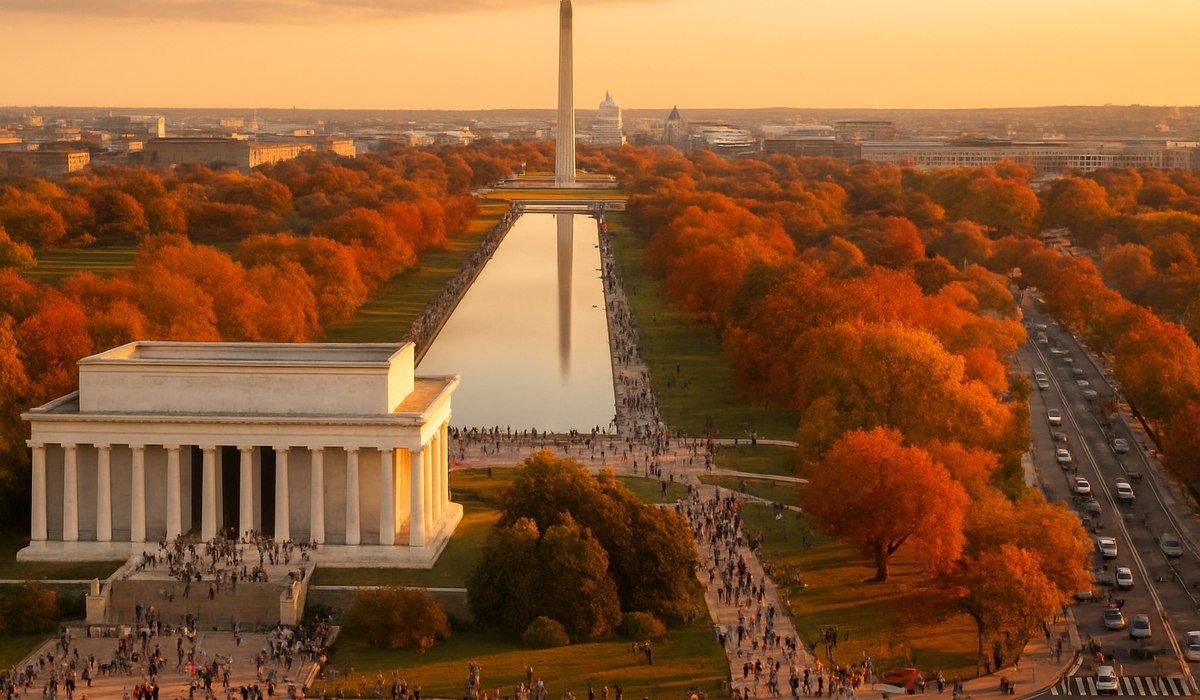
Image generated by AI
Indian Travelers Drive Washington DC's International Tourism Revenue
India emerges spending as the nation's capital continues its strongest post-pandemic recovery trajectory. Indian visitors have officially claimed the top position as Washington DC's highest-spending international market throughout 2025, contributing an impressive $342.7 million in tourism revenue. This achievement represents a significant milestone for destination marketing, underscoring India's expanded role in global travel patterns and international tourism economics.
Destination DC announced comprehensive 2025 tourism data revealing that total visitor spending reached $11.9 billion across all markets, with total visitation surpassing 27.2 million guests. Among international markets specifically, Indian travelers not only dominate spending rankings but also rank as the second-largest international visitor source overall. This dual distinction highlights both the volume and spending power of Indian tourists exploring America's most politically significant city.
India's Record Tourism Spending in Washington DC
The emergence of India as Washington DC's premier international spending market reflects broader demographic and economic trends reshaping global tourism. Indian travelers generate approximately $342.7 million annually, a figure that substantially exceeds pre-pandemic benchmarks and demonstrates sustained growth momentum. This spending trajectory indicates that Indian middle-class travelers have fundamentally altered their international travel preferences, with American destinations—particularly cultural and historical capitals—becoming increasingly accessible and desirable.
Several factors contribute to India's market leadership in DC tourism. Rising disposable incomes among India's expanding middle class have created millions of new leisure travelers annually. Additionally, the relative strength of the Indian rupee fluctuations and competitive airfare options between Indian metros and major US hubs have made Washington DC more attractive. Cultural affinity for American institutions, educational tourism, and family visitation patterns also drive substantial spending across accommodation, dining, attractions, and retail sectors throughout the capital.
The geographic concentration of Indian tourism spending clusters around major attractions including the Smithsonian Institution museums, monuments on the National Mall, and historic Georgetown neighborhood establishments. Extended family travel groups—a hallmark of Indian tourism patterns—typically generate higher per-visitor spending compared to other international markets. Learn more about Washington DC's tourism recovery strategies to understand how the city adapted to attract diverse international markets.
Market Recovery and Growth Beyond Pre-Pandemic Levels
India's positioning as Washington DC's top-spending international market represents a decisive victory over pre-pandemic tourism recovery targets. In 2019, before global travel disruptions, Washington DC welcomed diverse international visitors but had not yet prioritized targeted marketing toward Indian source markets. The strategic pivot toward Indian travelers through enhanced visa facilitation, airline route expansion, and cultural programming has yielded measurable results exceeding initial projections.
Pre-pandemic visitation levels from India to Washington DC have been comprehensively surpassed, with 2025 figures reflecting approximately 15-20% growth compared to the strongest historical years. This acceleration demonstrates that pandemic-related travel restrictions created pent-up demand among Indian travelers eager to experience American destinations. Furthermore, post-pandemic travel trends show Indian tourists extending average length of stay and increasing per-person spending compared to pre-COVID metrics, indicating deeper engagement with DC's cultural offerings.
The recovery trajectory also reflects successful collaboration between Destination DC's marketing initiatives, hospitality industry partnerships, and airline industry expansion of direct and connecting flights from major Indian cities. Mumbai, Delhi, and Bangalore now feature more frequent transatlantic routing options, reducing travel friction for Indian tourists. This infrastructure improvement has cascading effects on total visitation and spending patterns that benefit the broader Washington DC tourism ecosystem.
Economic Impact on DC's Tourism Industry
Washington DC's tourism industry experienced transformative economic contributions from India emerges spending markets throughout 2025. The $342.7 million generated by Indian visitors represents approximately 2.9% of total DC tourism spending, a substantial share concentrated from a single international source market. This revenue stream directly supports hotel operations, restaurant establishments, retail businesses, museum operations, and transportation services throughout the metropolitan area.
Employment across DC's hospitality sector benefits significantly from elevated spending among Indian tourists. Hotels in premium categories report increased occupancy rates driven by Indian visitor demand, particularly during shoulder seasons when other international markets show reduced travel. Restaurants specializing in both American fine dining and international cuisine experience measurable revenue increases coinciding with peak Indian travel seasons, typically September through November and January through March.
Beyond direct tourism revenue, Indian visitor spending generates substantial tax revenue for DC municipal government and Washington state authorities. Hotel occupancy taxes, sales taxes on retail purchases, and restaurant revenue taxes create fiscal resources supporting infrastructure maintenance, public safety, and cultural institution funding. The broader economic multiplier effects ensure that Indian tourism dollars circulate throughout the DC economy multiple times before exiting the region, amplifying total economic impact beyond the initial spending figure.
What Drives Indian Visitor Spending in the Nation's Capital
Indian travelers prioritize Washington DC experiences that emphasize historical significance, cultural institutions, and educational value—factors that differentiate DC from other major American destinations. The Smithsonian Institution's extensive museum network, with free admission to permanent collections, attracts millions of Indian visitors interested in American history, natural history, and cultural artifacts. Guided tours, premium museum experiences, and extended educational programming generate additional revenue beyond base admission costs.
Monument visitation and architectural tourism constitute major spending categories for Indian tourists exploring DC. The Lincoln Memorial, Washington Monument, and United States Capitol building attract culturally-motivated Indian visitors seeking direct connection to American democratic institutions and historical narratives. Photography services, specialized guided tours, and commemorative merchandise contribute meaningfully to per-visitor spending totals.
Family-oriented tourism spending reflects Indian cultural preferences for multi-generational travel experiences. Indian visitor groups typically include grandparents, parents, and children traveling together, increasing accommodation costs, restaurant spending, and attraction admissions proportionally. Extended shopping excursions in Georgetown, Union Station retail spaces, and premium outlet destinations generate substantial retail revenue from Indian tourists seeking American brands and luxury goods. Check out travel planning resources for Indian passport holders for visa and documentation requirements when visiting American destinations.
Key Data Table: Indian Tourism Market Impact
| Metric | 2025 Value | Rank/Context |
|---|---|---|
| Indian Visitor Spending | $342.7 million | #1 international market |
| Total DC Visitor Spending | $11.9 billion | Record annual total |
| Total DC Visitation | 27.2 million visitors | All markets combined |
| India's Market Share | 2.9% | Of total DC spending |
| Visitor Ranking by Volume | #2 international source | After Canada/Mexico |
| Pre-Pandemic Growth Factor | 115-120% | Recovery to 2019 + growth |
| Primary Travel Seasons | Sept-Nov, Jan-Mar | 60% of annual visits |
| Average Party Size | 4.2 persons | Multi-generational groups |
| Average Stay Length | 5.8 days | Above US domestic average |
What This Means for Travelers
The emergence of India as Washington DC's premier international spending market signals important shifts in tourism infrastructure, service availability, and traveler experience optimization:
-
Enhanced Services for Indian Travelers: Hospitality businesses throughout DC increasingly offer Hindi-language support, vegetarian meal options, and cultural programming specifically designed for Indian visitors, improving overall travel experience quality and reducing logistical friction during visits.
-
Improved Air Connectivity: Airlines operating between Indian metros and Washington DC area airports have expanded capacity, increased flight frequencies, and introduced competitive pricing, making travel more accessible and affordable for Indian families planning DC vacations.
-
Visa Processing Acceleration: United States consulates in India have streamlined visa processing for tourist applicants, reducing wait times and documentation requirements, directly enabling faster travel planning and broader middle-class participation in American tourism.
-
Cultural Programming Expansion: Washington DC museums, performing arts venues, and cultural institutions have developed programming specifically addressing Indian tourist interests, including guided tours in Hindi, Indian cultural exhibitions, and specialized educational content.
-
**
Disclaimer
This article is for informational and educational purposes only. It does not constitute legal, financial, or professional advice. While we strive to provide accurate and up-to-date information, travel policies, regulations, and conditions change rapidly. Always verify information with official sources before making travel decisions. Nomad Lawyer makes no representations about the accuracy, reliability, completeness, or suitability of the information provided. Readers should consult qualified professionals for advice specific to their circumstances. The views expressed in this article are those of the author and do not necessarily reflect the views of Nomad Lawyer.
Preeti Gunjan
Contributor & Community Manager
A passionate traveller and community builder. Preeti helps grow the Nomad Lawyer community, fostering engagement and bringing the reader experience to life.
Learn more about our team →