
Banff National Park Travel Guide: Alpine Trails, Wildlife Safety, and Four-Season Rockies Adventures in 2026

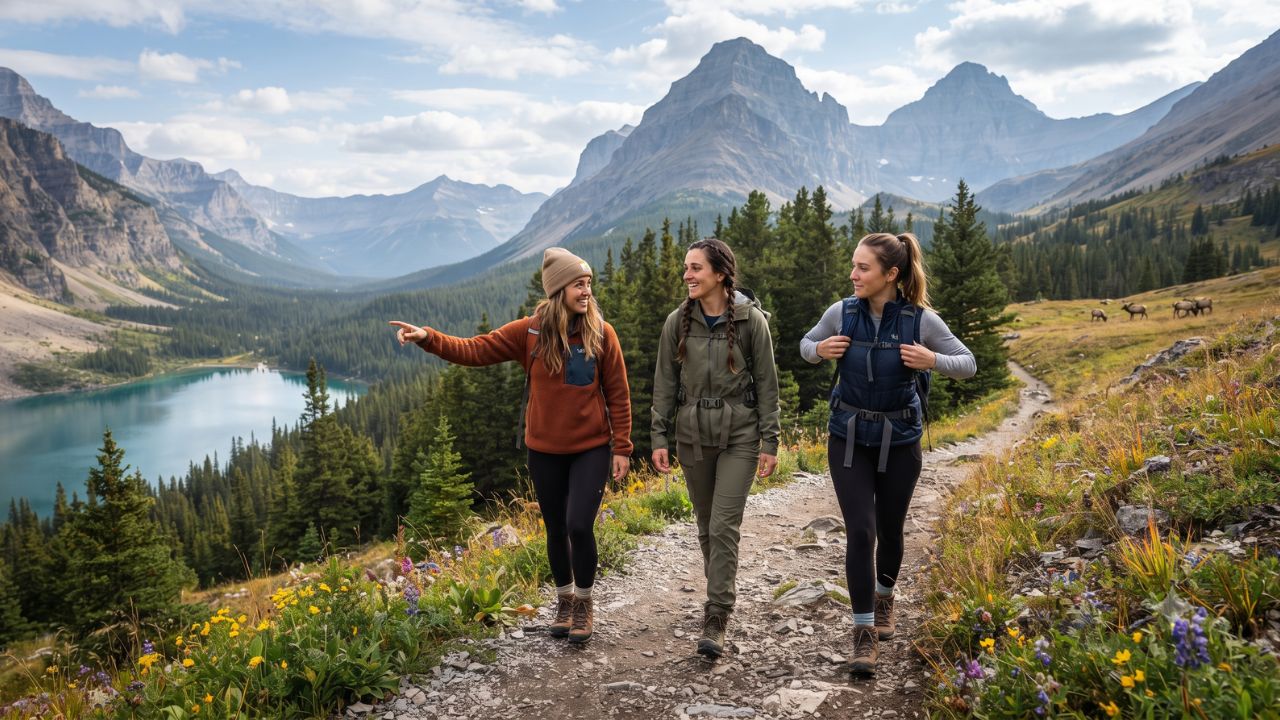
To protect visitors and feeding grizzly bears foraging on buffaloberries around Lake Louise and Moraine Lake, Parks Canada enforces a strict legal mandate on popular backcountry trails requiring hikers to travel in tight groups of four or risk fines of up to C$25,000. Spanning 6,641 square kilometers of rugged Canadian Rocky Mountain peaks, glacial turquoise waters, and subalpine meadows, Banff National Park balances four million annual visitors with world-leading ecological stewardship.
Established in 1885 as Canada’s first national park, Banff anchors the UNESCO Canadian Rocky Mountain Parks World Heritage site. While summer brings crowds eager to photograph the turquoise depths of Lake Louise and canoe across Lake Minnewanka, the park operates as a true four-season wilderness. From larch-golden autumn ridgelines to winter powder skiing across three world-class alpine resorts, understanding seasonal logistics, local costs, and wildlife etiquette ensures an unforgettable alpine expedition.
Four-Season Alpine Escapes in the Canadian Rockies
Banff transforms dramatically across the calendar year, offering distinct outdoor possibilities for every travel style:
- Summer (July to August): The primary season for subalpine hiking, alpine wildflower blooms in Healy Meadows, and lake canoeing. Higher alpine passes remain accessible without snowshoes, though accommodation demand pushes standard double hotel rooms to roughly C$400 per night.
- Early Autumn (September to October): Subalpine larch trees turn brilliant golden yellow along Sentinel Pass and Larch Valley. Daytime temperatures are crisp and crowds thin noticeably, though early snow dustings can arrive at high elevations by late September.
- Winter (November to May): A world-renowned ski season powered by three major resorts—Banff Sunshine, Lake Louise Ski Resort, and Mt. Norquay (SkiBig3)—where adult single-day lift passes range from C$124 to C$165. Cross-country skiing, ice walking in Johnston Canyon, and snowshoeing thrive across frozen valleys.
- Spring (May to June): A quiet transitional window when valley trails dry out and wildlife awakens, though high-elevation alpine routes and backcountry campgrounds can retain snow until late June or early July.
Detailed park updates from Parks Canada provide real-time trail status and avalanche bulletins for all four seasons.
What Makes Banff’s Mountain Ecosystem Distinct
Banff’s physical geography forms a dramatic mountain corridor centered around the Bow River and Saskatchewan River basins:
The park is traversed by two iconic driving routes: the Trans-Canada Highway (Highway 1) connecting Calgary to British Columbia, and the 232-kilometer Icefields Parkway (Highway 93 North), linking Lake Louise to Jasper past hanging glaciers, towering limestone walls, and turquoise meltwater tarns.
Hikers encounter varied trail routes across diverse difficulty levels:
- Lake Agnes and Plain of Six Glaciers: Climbing from the shore of Lake Louise, this historic route leads hikers past Mirror Lake to the 1901 Lake Agnes Teahouse for hot loose-leaf tea, before continuing toward glaciated amphitheaters beneath Mount Lefroy.
- Sulphur Mountain Summit: A switchbacking 5.4km trail climbing 700 meters to panoramic observation decks overlooking the Bow Valley. Active hikers can ride the Banff Gondola down and soak in the historic mineral waters at the Upper Hot Springs.
- Goat Creek Trail: A scenic 19km off-road mountain biking and gravel route connecting the town of Banff directly to neighboring Canmore.
- Vermilion Lakes and Bow River: Sheltered wetland waterways directly west of Banff townsite, providing calm paddle boarding and canoeing beneath the iconic tilted face of Mount Rundle.
Ecological guidelines monitored by the UNESCO World Heritage Centre ensure that wildlife corridors—including 44 dedicated highway wildlife overpasses and underpasses—protect grizzly bears, black bears, wolves, elk, bighorn sheep, and cougars from vehicle collisions.
Visitor Insider Tips and Realistic Travel Costs
Planning a vacation to Banff requires careful budget forecasting and local transit awareness:
| Travel Expense Item | Source-Reported Indicative Cost |
|---|---|
| Summer Hotel Double Room | C$400 per night |
| Frontcountry Campground | C$20 to C$78 per night |
| Backcountry Camping Permit | C$13.50 per person / night |
| National Park Daily Pass | C$11 per adult |
| Mountain Bike Rental | C$50 per day |
| Single-Day Ski Pass | C$124 to C$165 |
| Sit-Down Dinner Main Course | C$30 to C$45 |
To navigate the park effectively:
- Base Yourself in Canmore for Value: Located just 25km (a 20-minute drive) southeast of Banff town outside park boundaries, the mountain town of Canmore offers wider condominium rentals, local craft breweries, and budget accommodations.
- Use Public Roam Transit: Avoid parking gridlock at popular lakeheads by taking Roam Transit buses connecting Banff town with Canmore, Lake Louise, Moraine Lake, and Johnston Canyon.
- Carry Bear Spray and Know How to Use It: Keep an EPA-approved canister of bear spray accessible on your hip or chest harness—never buried inside your backpack. Make noise while hiking through dense brush.
- Calgary Airport Transfers: Calgary International Airport (YYC) sits approximately 145km east of Banff. Direct shuttle coaches connect the airport terminals to Banff and Canmore hotels in under two hours.
- Book Moraine Lake and Lake Louise Shuttles Months Ahead: Personal vehicles are prohibited from parking at Moraine Lake. Travelers must reserve Parks Canada shuttle seats in advance via the official reservation portal.
Cultural and Environmental Context
Banff National Park sits on Treaty 7 territory, the traditional ancestral lands of the Stoney Nakoda (Bearspaw, Chiniki, and Goodstoney First Nations), Siksika, Kainai, Piikani, and Tsuut'ina Nations, as well as the Métis Nation of Alberta. Modern park management actively collaborates with Indigenous knowledge keepers to restore historic cultural burning practices and reintroduce wild plains bison (Bison bison) to the remote backcountry valleys of the Panther and Dormer rivers.
Visitor numbers exceeding four million annually create severe environmental pressures on fragile subalpine vegetation and riparian zones. Travelers can practice sustainable stewardship by adhering strictly to Leave No Trace principles, staying on designated boardwalks, packing out all organic waste, and supporting community conservation trusts promoted by Travel Alberta.
FAQ: Visiting Banff National Park 2026
How many days should I spend in Banff National Park?
A minimum of three days covers the main lakes and townsite, but spending five to seven days allows for extended alpine hikes, Icefields Parkway drives, and backcountry lodges.
Can I visit Banff without renting a car?
Yes. Airport express shuttles from Calgary connect directly to Banff, while the Roam Transit bus network provides convenient access to major trailheads, Lake Louise, and Canmore.
When is the best time to see the golden larch trees?
Larch needles turn bright gold during a brief two-week window in late September, best viewed along Larch Valley, Sentinel Pass, and Healy Pass.
Do I need a park pass if I'm just driving through?
If you stop anywhere inside Banff National Park—even for gas, food, or viewpoints—you must purchase and display an official Parks Canada National Park Pass (C$11 per adult per day).
Standing before the ancient turquoise waters of the Canadian Rockies, Banff reminds every traveler that wilderness is not just a place to visit, but a sanctuary to protect.
Related Travel Guides
Disclaimer
This article is for informational and educational purposes only. It does not constitute legal, financial, or professional advice. While we strive to provide accurate and up-to-date information, travel policies, regulations, and conditions change rapidly. Always verify information with official sources before making travel decisions. Nomad Lawyer makes no representations about the accuracy, reliability, completeness, or suitability of the information provided. Readers should consult qualified professionals for advice specific to their circumstances. The views expressed in this article are those of the author and do not necessarily reflect the views of Nomad Lawyer.
Raushan Kumar
Founder & Lead Developer
Full-stack developer with 11+ years of experience and a passionate traveller. Raushan built Nomad Lawyer from the ground up with a vision to create the best travel and law experience on the web.
Learn more about our team →