
Canada Car-Free Wildlife Travel Guide 2026: Reaching Banff, Cap Tourmente, and Wapusk Polar Bears

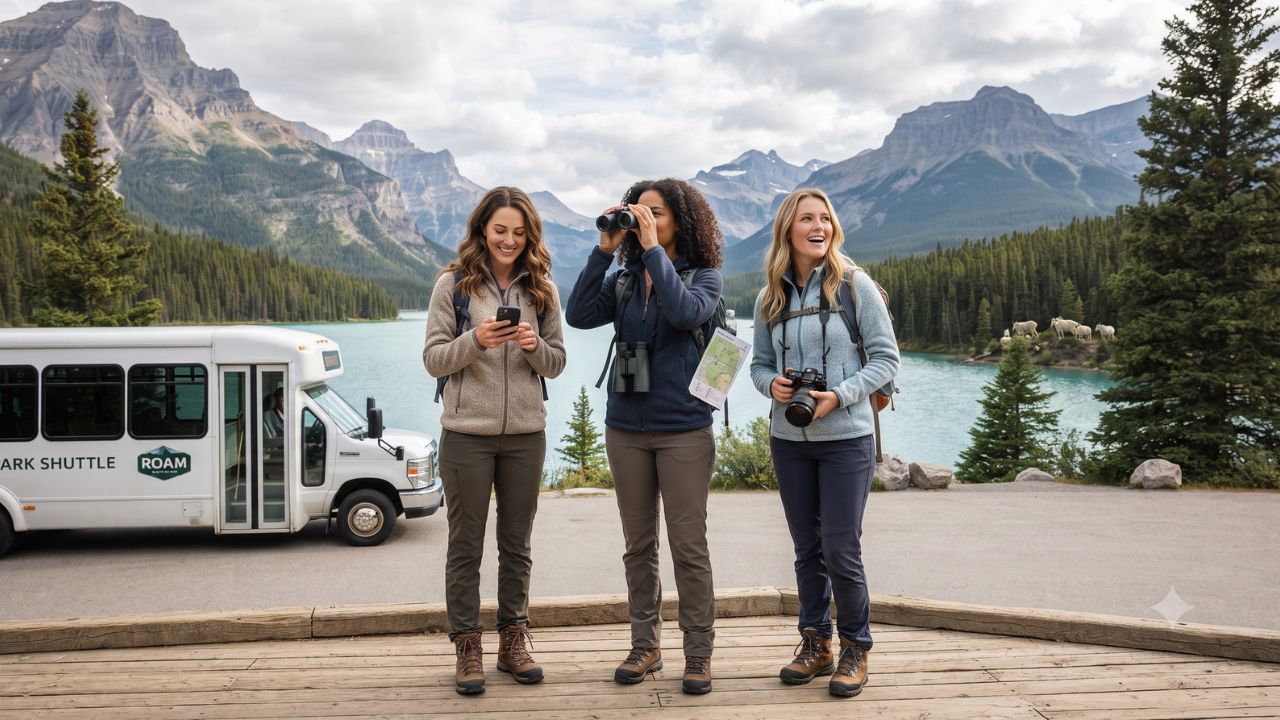
With personal vehicles permanently banned along Moraine Lake Road and zero highway access into the subarctic wilderness of Churchill, navigating Canada’s premier wildlife sanctuaries without a rental car has become the most sustainable and stress-free way to explore the Great White North. Official operational guidance from Parks Canada confirms that integrated public transit, regional express shuttles, and passenger rail allow independent travelers to observe grizzly bears in the Canadian Rockies, migrating snow geese along the St. Lawrence River, and mother polar bears in the Arctic tundra without ever stepping behind a steering wheel.
Backed by national economic data from Statistics Canada showing real tourism GDP expanding 0.4% in the second quarter of 2026 following 0.5% growth in the first quarter, car-free nature travel eliminates parking bottlenecks while keeping vehicular emissions out of delicate ecological zones.
Three Iconic Wilderness Expeditions: Gateways and Access Rules
Successfully executing a car-free Canadian nature holiday requires understanding the specific transit connection and entry regulations for each distinct sanctuary:
1. Banff National Park (Alberta): Rocky Mountain Transit & Shuttle Connectors
Established in 1885 from an initial hot springs reserve, Banff stands as Canada’s oldest national park. In 2025, Parks Canada recorded a record-breaking 4.515 million visits (a 7.14% increase over 2024).
- Gateway Transit: Fly into Calgary International Airport (YYC), situated approximately 144 kilometers east of the park. Board scheduled express coaches (such as the Banff Airporter, Brewster Express, or Parkbus) directly to Banff townsite.
- Lake Transit & Moraine Lake: Personal private vehicles cannot use Moraine Lake Road. Instead, ride local Roam Transit Route 8X from downtown Banff to Lake Louise, and utilize a pre-reserved Roam Super Pass to board the official Parks Canada Lake Connector shuttle directly to Moraine Lake.
- Fauna Encounters: Home to 53 mammal species—including grizzly bears, black bears, wolves, cougars, and wolverines—alongside 311 bird species.
2. Cap Tourmente National Wildlife Area (Québec): Greater Snow Geese Staging
Located along the tidal marshes of the St. Lawrence River near Saint-Joachim:
- Gateway Transit: Base yourself in historic Québec City, located 50 kilometers southwest. Travel northeast along Route 138 past Sainte-Anne-de-Beaupré using pre-arranged private shuttle services or localized eco-tour operators.
- Conservation Distinction: Managed by Environment and Climate Change Canada as one of the country's 64 National Wildlife Areas (distinct from Canada's 92 Migratory Bird Sanctuaries), Cap Tourmente protects critical tidal bulrush marshes supporting over 180 bird species, including tens of thousands of migrating greater snow geese each spring and autumn.
3. Wapusk National Park (Manitoba): Arctic Polar Bear Maternity Denning
Spanning 11,475 square kilometers where the northern boreal forest transitions into subarctic coastal tundra along Hudson Bay:
- Gateway Transit: Travel to Churchill, Manitoba—accessible exclusively via scheduled Calm Air flights from Winnipeg or the two-day VIA Rail passenger train departing Winnipeg. No roads connect Churchill to the rest of North America.
- Mandatory Licensed Operators: Independent entry into Wapusk National Park is strictly prohibited. All activities, tundra buggy excursions, and remote denning photography must be conducted through certified, licensed commercial wilderness operators based in Churchill.
What Makes Car-Free Wildlife Expeditions Superior
Leaving rental cars behind fundamentally transforms the sensory experience of wilderness exploration.
Riding public shuttles and trains frees travelers from the stress of navigating icy mountain passes, scanning for parking stalls in packed trailhead lots, or monitoring fuel gauges in remote valleys. Passengers can keep their eyes trained entirely on alpine meadows, watching for wandering elk herds and bighorn sheep.
On the long-distance VIA Rail train to Churchill, the rhythmic journey across northern taiga and permafrost allows travelers to adjust to the deliberate cadence of the subarctic, conversing with local Indigenous residents and fellow wildlife enthusiasts before arriving at Hudson Bay.
Visitor Insider Tips for Booking Car-Free Wildlife Trips
Maximize your wildlife encounters and avoid travel disruptions with these field-tested strategies:
- Book Banff Lake Shuttles in Spring: Parks Canada releases its seasonal Lake Louise and Moraine Lake shuttle reservations in early spring. Secure your timed departure tickets months in advance, or purchase the Roam Transit Super Pass to combine municipal buses with Parks Canada lake connectors.
- Maintain Mandatory Wildlife Distances: Always carry EPA-approved bear spray in an accessible hip holster (never inside a backpack) when walking Rocky Mountain trails. Parks Canada mandates maintaining at least 30 meters of space from elk and moose, and at least 100 meters from bears and cougars.
- Schedule Cap Tourmente Transfers Round-Trip: Because no regular municipal buses service the entrance gate at Saint-Joachim, arrange confirmed return pickup times with your Québec City private transport driver before departing.
- Match Churchill Flights to Tundra Buggy Excursions: In Churchill, book your licensed Wapusk tour operator package first. Once your wilderness dates are locked in, book connecting Winnipeg flights and local guesthouse accommodation.
- Pack Heavy Thermal Layers for Subarctic Winds: October and November in Churchill bring fierce Arctic winds dropping wind chills below -25°C. Pack expedition-weight down parkas, insulated windproof mitts, and rated winter boots with ice grips.
Cultural and Environmental Context: Sustainable Stewardship in Protected Sanctuaries
Embracing collective transit is an active act of conservation across Canada’s protected ecological zones.
Banning private vehicles from Moraine Lake Road and enforcing group shuttle access has drastically reduced roadside wildlife habituation, minimized tailpipe emissions in fragile alpine watersheds, and eliminated vehicular collisions with grizzly bears along sensitive movement corridors.
In Manitoba, licensed tundra buggy operators adhere to strict tundra-tread standards to prevent permafrost gouging and minimize disruption to nursing polar bear mothers. Insights highlighted by Destination Canada emphasize that supporting Indigenous-led and certified eco-tourism partners directly funds northern wildlife research and empowers remote northern communities.
FAQ: Car-Free Canada Wildlife Travel 2026
Can I visit Moraine Lake without a car?
Yes. Take Roam Transit from Banff town to Lake Louise, and connect to Moraine Lake via the official Parks Canada Lake Connector shuttle with a reserved Super Pass.
How do I reach the polar bears in Churchill?
Fly to Churchill from Winnipeg on Calm Air or take the VIA Rail train; inside Churchill, book excursions with a licensed commercial operator to enter Wapusk National Park.
What is the best time to see snow geese at Cap Tourmente?
Peak migration occurs from late September through October in autumn and during May in spring, when tens of thousands of geese feed in the St. Lawrence marshes.
Is public transportation available inside Banff National Park?
Yes. Roam Transit provides extensive year-round bus routes connecting Banff townsite, Canmore, Lake Louise, Tunnel Mountain, and the Banff Gondola.
From the emerald reflections of glacial lakes to the silent white expanse of the Arctic coast, discovering Canada without a car brings you closer to the true heartbeat of the wild.
Related Travel Guides
Disclaimer
This article is for informational and educational purposes only. It does not constitute legal, financial, or professional advice. While we strive to provide accurate and up-to-date information, travel policies, regulations, and conditions change rapidly. Always verify information with official sources before making travel decisions. Nomad Lawyer makes no representations about the accuracy, reliability, completeness, or suitability of the information provided. Readers should consult qualified professionals for advice specific to their circumstances. The views expressed in this article are those of the author and do not necessarily reflect the views of Nomad Lawyer.
Kunal K Choudhary
Co-Founder & Contributor
A passionate traveller and tech enthusiast. Kunal contributes to the vision and growth of Nomad Lawyer, bringing fresh perspectives and driving the community forward.
Learn more about our team →