
New Zealand Department of Conservation Debunks AI Biosecurity Claims for Great Walks 2026
The New Zealand Department of Conservation clarifies that reports of AI-powered laser boot-cleaning pods and eDNA scanners at Great Walks are unfounded, emphasizing manual biosecurity protocols.

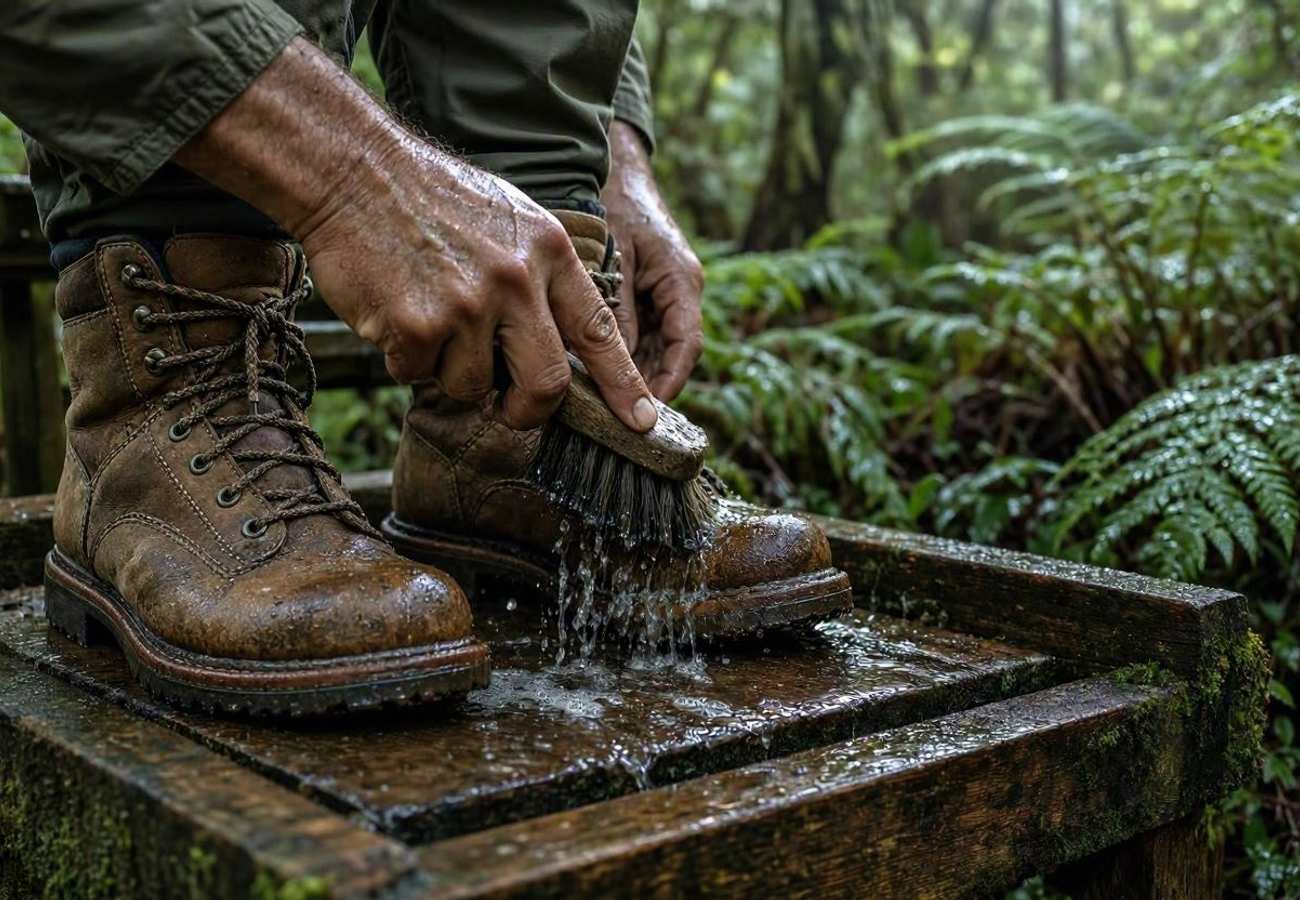
Image generated by AI
[Wellington, October 5, 2026] — The New Zealand Department of Conservation (DOC) has clarified that reports regarding the deployment of satellite-controlled AI stations and automated laser boot-cleaning pods across the Great Walks network are unfounded. Despite circulating claims that high-tech "sci-fi airlocks" and compulsory environmental DNA (eDNA) scanning were implemented on October 1, 2026, official guidance confirms these technologies are not currently in use as visitor-entry systems.
The agency is instead doubling down on traditional, manual biosecurity measures to protect the country's fragile native landscapes from invasive species, fungi, and seeds. The focus remains on hiker-led hygiene and strict adherence to cleaning protocols to prevent the spread of biological contaminants across diverse ecosystems.
The Root of the Biosecurity Crisis
New Zealand's extreme geographic isolation has created a biological sanctuary of species found nowhere else on earth, but this isolation also renders the environment highly susceptible to introduced pests and diseases. The primary threat is the inadvertent transport of soil, seeds, and fungi on hiking footwear and trekking equipment.
A critical example of this vulnerability is kauri dieback, a devastating disease affecting the native kauri trees. Because the pathogen travels through soil, the Department of Conservation (DOC) has implemented rigorous track-management strategies, including specific cleaning stations and occasional track closures in high-risk areas like the Waitākere Ranges.
Impacted Routes and Landscapes
The biosecurity requirements apply to all nine of the official Great Walks. While the technology is not "AI-driven," the ecological risks vary significantly by region.
| Great Walk Route | Primary Landscape | Key Conservation Concern |
|---|---|---|
| Milford Track | Rainforest & Mountain Valleys | Soil-borne pathogens in Fiordland |
| Routeburn Track | Southern Alps / Alpine | High-altitude ecosystem fragility |
| Kepler Track | Forest & Alpine Ridges | Fiordland biological integrity |
| Tongariro Northern Circuit | Volcanic Terrain | Unique volcanic soil contaminants |
| Abel Tasman Coast Track | Coastal Forest & Beaches | Tidal and coastal seed dispersal |
| Heaphy Track | Coastal & Rainforest | Remote forest biosecurity |
| Paparoa Track | Karst & Coastal | Unique limestone environment |
| Rakiura Track | Remote Island Forest | Island-specific invasive species |
| Lake Waikaremoana Track | Remote Lake & Forest | Native forest preservation |
What This Means for Travelers
For passengers booking hiking trips in New Zealand, the absence of "automated pods" means the responsibility for biosecurity rests entirely on the traveler. There is no automated system to "sanitize" your gear upon arrival; you must do it yourself.
Passenger Impact Assessment:
- Pre-Arrival Prep: International hikers must ensure boots, tents, and trekking poles are scrubbed clean of all organic matter before departing their home country.
- Border Controls: All outdoor equipment is subject to inspection by the Ministry for Primary Industries (MPI), which manages New Zealand's strict border biosecurity regime.
- Inter-Track Hygiene: Travelers moving between different regions—for example, from the volcanic soils of Tongariro to the rainforests of Fiordland—must thoroughly clean their gear to avoid cross-contaminating ecosystems.
- Booking Requirements: High-demand huts and campsites still require advance bookings, which remain separate from biosecurity compliance.
Future of Conservation Technology
While the "laser pods" are a myth, New Zealand is not ignoring technology. The country continues to integrate genetic research and remote observation to monitor ecological health. Environmental DNA (eDNA) is a legitimate scientific tool used by researchers to identify species in soil and water samples, but it is currently a tool for study, not a mandatory gatekeeping mechanism for tourists.
Visitors are urged to check the latest track status and weather updates via official channels before departure, as alpine and Fiordland environments remain physically demanding and subject to rapid weather shifts.
FAQ: New Zealand Great Walks Biosecurity 2026
Are there AI-powered boot cleaning stations at Great Walks? No. Reports of automated laser pods or AI-controlled cleaning stations are unfounded. Visitors must manually clean their footwear and equipment.
Do I need to undergo eDNA scanning to enter a trail? No. While eDNA is used for scientific research by conservationists, it is not used as a compulsory screening process for hikers entering the Great Walks.
What happens if my gear is dirty at the border? The Ministry for Primary Industries (MPI) may inspect, clean, or prohibit the entry of equipment that poses a biosecurity risk to New Zealand's environment.
How do I properly clean my boots for a Great Walk? Remove all visible mud and soil with a brush or cloth. Use water and detergent if necessary to ensure no seeds or fungi remain in the treads of your boots.
Clean boots are the only real barrier between a pristine forest and an ecological disaster.
Related Travel Guides
Disclaimer
This article is for informational and educational purposes only. It does not constitute legal, financial, or professional advice. While we strive to provide accurate and up-to-date information, travel policies, regulations, and conditions change rapidly. Always verify information with official sources before making travel decisions. Nomad Lawyer makes no representations about the accuracy, reliability, completeness, or suitability of the information provided. Readers should consult qualified professionals for advice specific to their circumstances. The views expressed in this article are those of the author and do not necessarily reflect the views of Nomad Lawyer.
Naina Thakur
Contributor & Travel Specialist
Travel enthusiast and legal writer covering visa regulations, responsible tourism, and cultural journeys across global destinations.
Learn more about our team →