
US, Canada, and UK Launch Emergency Evacuation and Consular Support for Travellers Stranded in UAE, Qatar, and Jordan
Governments from the US, Canada, UK, and Germany have activated emergency consular protections and evacuation planning for citizens stranded in Middle East hubs including the UAE, Qatar, and Jordan.

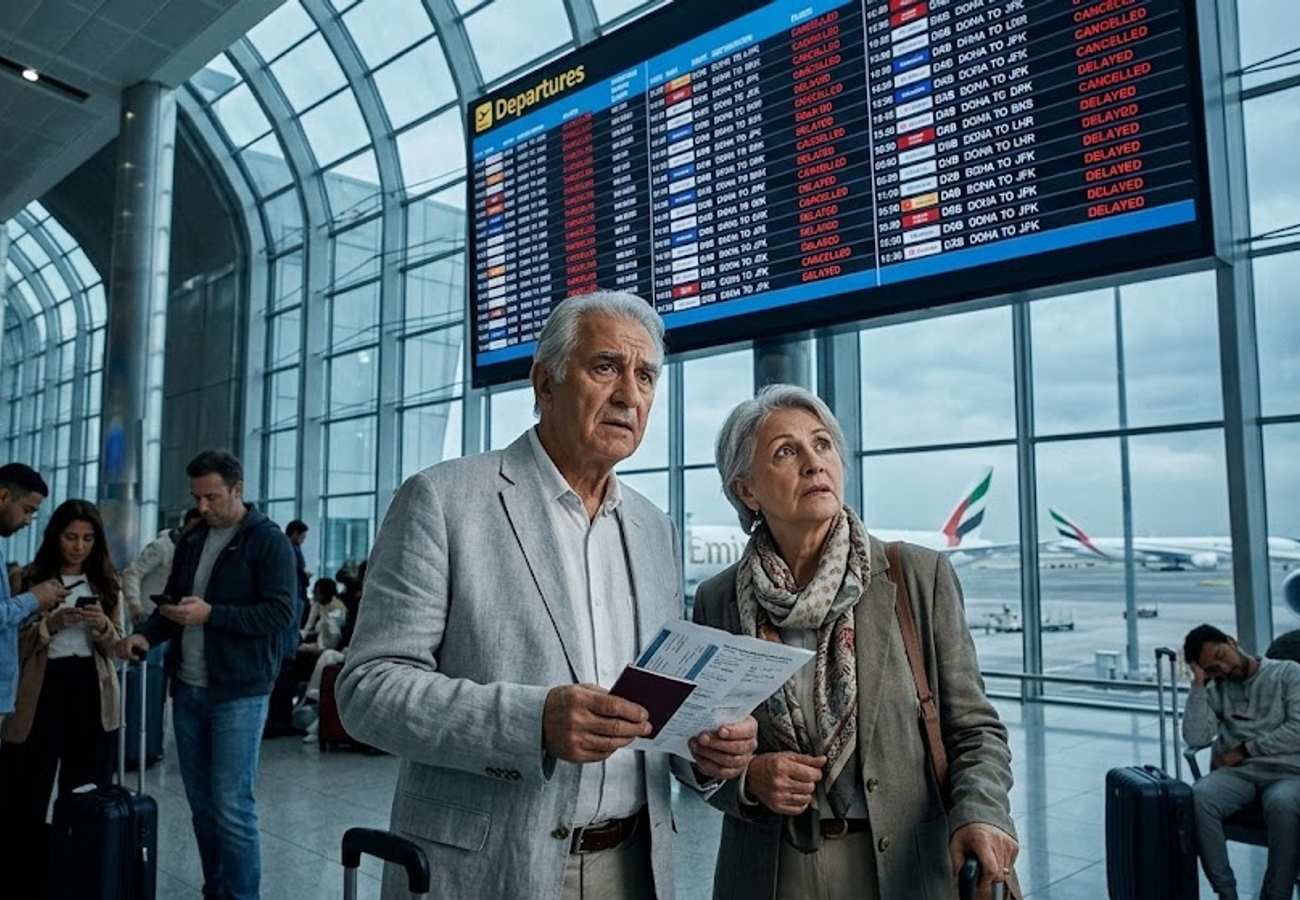
Image generated by AI
Major governments including the United States, Canada, the United Kingdom, and Germany have initiated emergency measures to assist and evacuate citizens stranded across the Middle East. These actions follow rising security concerns, airspace restrictions, and widespread flight cancellations affecting hubs in the UAE, Jordan, Qatar, Kuwait, and Bahrain.
The current security environment has created significant volatility for international passengers utilizing Middle Eastern aviation hubs as primary connections between Asia, Europe, Africa, and North America. National governments are now intervening with emergency flights, visa support, and enhanced consular protections to mitigate the risk of citizens becoming permanently stranded.
Regional Impact and Affected Hubs
The disruption is centered around key transit points and diplomatic zones. Our analysis of regional aviation patterns indicates that the following locations are experiencing the highest levels of instability:
- United Arab Emirates (UAE): Major disruptions to commercial schedules and increased reliance on emergency consular communication.
- Qatar: Significant volatility in connection flights; diplomatic missions are actively providing updated route information.
- Jordan: Increased security warnings and preparations for rapid evacuation of foreign nationals.
- Kuwait and Bahrain: Border uncertainties and airline suspensions affecting regional movement.
National Response Frameworks
Different nations have deployed specific operational strategies to manage the crisis:
Canada Global Affairs Canada has issued high-level warnings, noting that direct assistance may be limited if infrastructure is damaged or airports close. Key measures include:
- 24/7 consular assistance and emergency communication services.
- Mandatory registration via the Registration of Canadians Abroad programme.
- Guidance on independent departure planning to avoid total reliance on government operations.
United States The US government is focusing on commercial alternatives and diplomatic coordination. Primary tools include:
- The Smart Traveler Enrollment Program (STEP) for citizen tracking.
- Embassy-led departure planning and emergency travel alerts.
- Direct coordination with commercial carriers to secure remaining seats on outbound flights.
European and Asian Response
- Germany & France: Coordinating via European partnerships to synchronize evacuation flights when commercial aviation becomes unreliable.
- United Kingdom: The Foreign Office is providing real-time updates and supporting communication for British nationals in Dubai, Doha, Kuwait City, and Manama.
- Japan: Utilizing extensive overseas emergency experience to monitor nationals and prepare evacuation networks.
- India: Prioritizing the protection of millions of citizens residing and working across the Gulf nations.
Passenger Rights & Advisory (Information Gain)
Travellers currently stranded or planning travel through these regions must understand their legal and operational rights to avoid financial loss and ensure safety.
1. Rebooking and Refunds Under most international aviation standards and frameworks (such as EU261/2004 for flights departing from EU airports or operated by EU carriers), passengers are entitled to:
- Re-routing: A flight to the final destination at the earliest opportunity.
- Full Refund: If the flight is cancelled and the passenger chooses not to travel.
- Duty of Care: Airlines must provide food, refreshments, and hotel accommodation (including transport) if the delay extends overnight.
2. Documentation and Visas In emergency scenarios, standard visa requirements may be bypassed via "Emergency Travel Documents" (ETDs). Travellers should:
- Contact their nearest embassy immediately to apply for an ETD if passports are lost or expired.
- Ensure all digital copies of travel documents are uploaded to a secure cloud server accessible by family or consular officials.
3. Consular Registration Registration with national programs (like STEP for Americans or the Registration of Canadians Abroad) is the most effective way to receive evacuation alerts and be included in government-chartered flight manifests.
Industry Analyst View
From an operational perspective, the reliance on a few "super-hubs" in the Middle East creates a single point of failure for global transit. When airspace restrictions are imposed in the Gulf region, the ripple effect triggers delays in North America and Asia due to the sudden redistribution of air traffic.
Carriers are currently facing a "cascading failure" where aircraft and crews are out of position, making it impossible to maintain schedules even if airspace opens. The shift toward government-led evacuations indicates that commercial aviation has reached a threshold where market-driven solutions are no longer sufficient to ensure the safety of foreign nationals.
Travelers are urged to prioritize safety over itinerary adherence and maintain a minimum of 72 hours of emergency supplies while awaiting evacuation.
Related Travel Guides
Disclaimer
This article is for informational and educational purposes only. It does not constitute legal, financial, or professional advice. While we strive to provide accurate and up-to-date information, travel policies, regulations, and conditions change rapidly. Always verify information with official sources before making travel decisions. Nomad Lawyer makes no representations about the accuracy, reliability, completeness, or suitability of the information provided. Readers should consult qualified professionals for advice specific to their circumstances. The views expressed in this article are those of the author and do not necessarily reflect the views of Nomad Lawyer.
Preeti Gunjan
Contributor & Community Manager
A passionate traveller and community builder. Preeti helps grow the Nomad Lawyer community, fostering engagement and bringing the reader experience to life.
Learn more about our team →