
Bahrain Saudi Arabia UAE Kuwait and Jordan Face Level 3 US Travel Warnings Amid 2026 Gulf Flight Disruptions
International travelers connecting through major Gulf aviation hubs face potential disruptions as the U.S. maintains Level 3 travel warnings for Bahrain, Saudi Arabia, UAE, Kuwait, and Jordan in 2026.

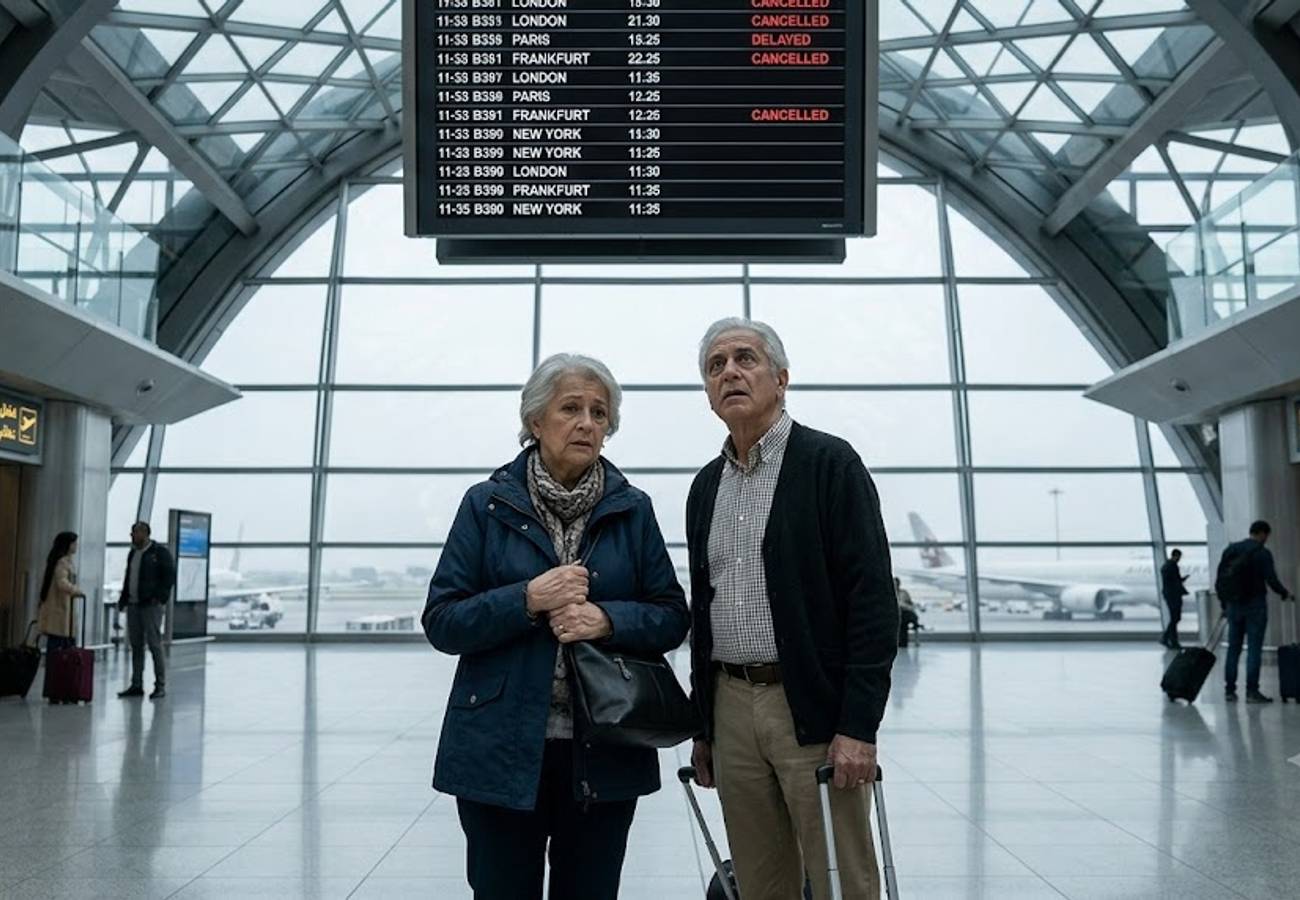
Image generated by AI
International travelers utilizing the Middle East as a global crossroads are facing a period of heightened volatility as the U.S. Mission expands security warnings across five key Gulf nations.
The Local Trend Revealed: Heightened Vigilance at Global Transit Hubs
The Gulf region serves as the primary artery for aviation connecting Europe, Asia, Africa, and Oceania. However, in July 2026, a shift in regional security dynamics has prompted the U.S. government to maintain and expand critical travel advisories. Bahrain, Saudi Arabia, the United Arab Emirates (UAE), Kuwait, and Jordan are currently classified at Level 3 – Reconsider Travel.
This classification is driven by the threat of armed conflict, terrorism, and the potential for sudden disruptions. This is not merely a diplomatic formality; it follows a pattern established in March 2026, when the U.S. ordered the departure of non-emergency government personnel and eligible family members from several diplomatic missions in these specific countries.
For the modern nomad or business traveler, the primary impact is felt at the aviation gateways. While commercial operations remain active, the fluidity of the security situation means that flight paths, departure times, and route availability can shift without warning.
Cultural & Environmental Value: Navigating Regional Complexity
The current security climate emphasizes the importance of supporting local stability and understanding the nuanced cultural landscape of the Gulf. Travelers who choose to visit are encouraged to engage with local economies directly, supporting small-scale artisans and heritage sites rather than relying solely on international luxury chains.
By utilizing official regional conservation bodies and cultural heritage associations—such as those managing the AlUla site in Saudi Arabia or the Amman Citadel in Jordan—visitors contribute to the preservation of historical sites that remain resilient despite regional tensions. Sustainable travel in this region currently manifests as "slow travel," where visitors prioritize deeper connections with local communities over rapid, high-turnover tourism.
Regional Transit Hubs and Key Destinations
The following table outlines the primary gateways and cultural anchors for travelers navigating the current Level 3 advisory zone.
| Country | Primary Aviation Hubs | Cultural & Local Highlights |
|---|---|---|
| United Arab Emirates | Dubai International (DXB), Zayed International (AUH) | Burj Khalifa, Louvre Abu Dhabi |
| Bahrain | Bahrain International (BAH) | Bahrain National Museum, Bab Al Bahrain |
| Saudi Arabia | King Khalid (RUH), King Abdulaziz (JED) | Diriyah, AlUla, Kingdom Centre |
| Kuwait | Kuwait International (KWI) | Kuwait Towers, Souq Al-Mubarakiya |
| Jordan | Queen Alia International (AMM) | Petra, Dead Sea, Amman Citadel |
Visitor Insider Tips: Managing the Transit Experience
Navigating these hubs during a security alert requires a strategy beyond standard travel planning.
The Transit Strategy Many passengers only interact with these countries within the sterile environment of the airport. However, operational changes can still trigger missed connections. To mitigate this, allow for a minimum of 4 to 6 hours for connections in Dubai or Doha to account for sudden flight path modifications or security-related delays.
Digital Readiness Ensure your mobile contact details are updated in your airline's app. In the Gulf, airline notifications via push alerts often precede official airport screen updates by 15 to 30 minutes.
Local Etiquette & Safety When exiting the airport, adhere strictly to local laws regarding photography, particularly near government buildings or military installations, as security sensitivities are currently peaked.
Off-Peak Windows If traveling for leisure, avoid major regional holidays or political summits, as these often coincide with increased security checkpoints that can slow down transit times significantly.
Tourism Outlook: The Resilience of the Gulf Crossroads
Despite the Level 3 warnings, the long-term outlook for Gulf tourism remains anchored by massive infrastructure investments. The ability of these hubs to adapt—shifting flight paths and modifying schedules in real-time—demonstrates a high level of operational resilience.
The long-term impact of these advisories is likely to be a shift toward more flexible booking models. We are seeing a rise in "dynamic itineraries" where travelers book refundable fares and maintain comprehensive insurance that specifically covers "civil unrest" or "government-mandated travel changes," as standard policies often exclude these categories.
Stay informed, stay flexible, and prioritize real-time data over static itineraries when crossing the Gulf in 2026.
Related Travel Guides
Disclaimer
This article is for informational and educational purposes only. It does not constitute legal, financial, or professional advice. While we strive to provide accurate and up-to-date information, travel policies, regulations, and conditions change rapidly. Always verify information with official sources before making travel decisions. Nomad Lawyer makes no representations about the accuracy, reliability, completeness, or suitability of the information provided. Readers should consult qualified professionals for advice specific to their circumstances. The views expressed in this article are those of the author and do not necessarily reflect the views of Nomad Lawyer.
Raushan Kumar
Founder & Lead Developer
Full-stack developer with 11+ years of experience and a passionate traveller. Raushan built Nomad Lawyer from the ground up with a vision to create the best travel and law experience on the web.
Learn more about our team →