
Bahamas, Dominica, and Dominican Republic Face Tourism Collapse Risks Due to Climate Change in 2026
Rising sea levels and intensifying hurricanes threaten the economic stability of the Bahamas, Dominica, and the Dominican Republic as climate-driven tourism collapse becomes a critical risk.

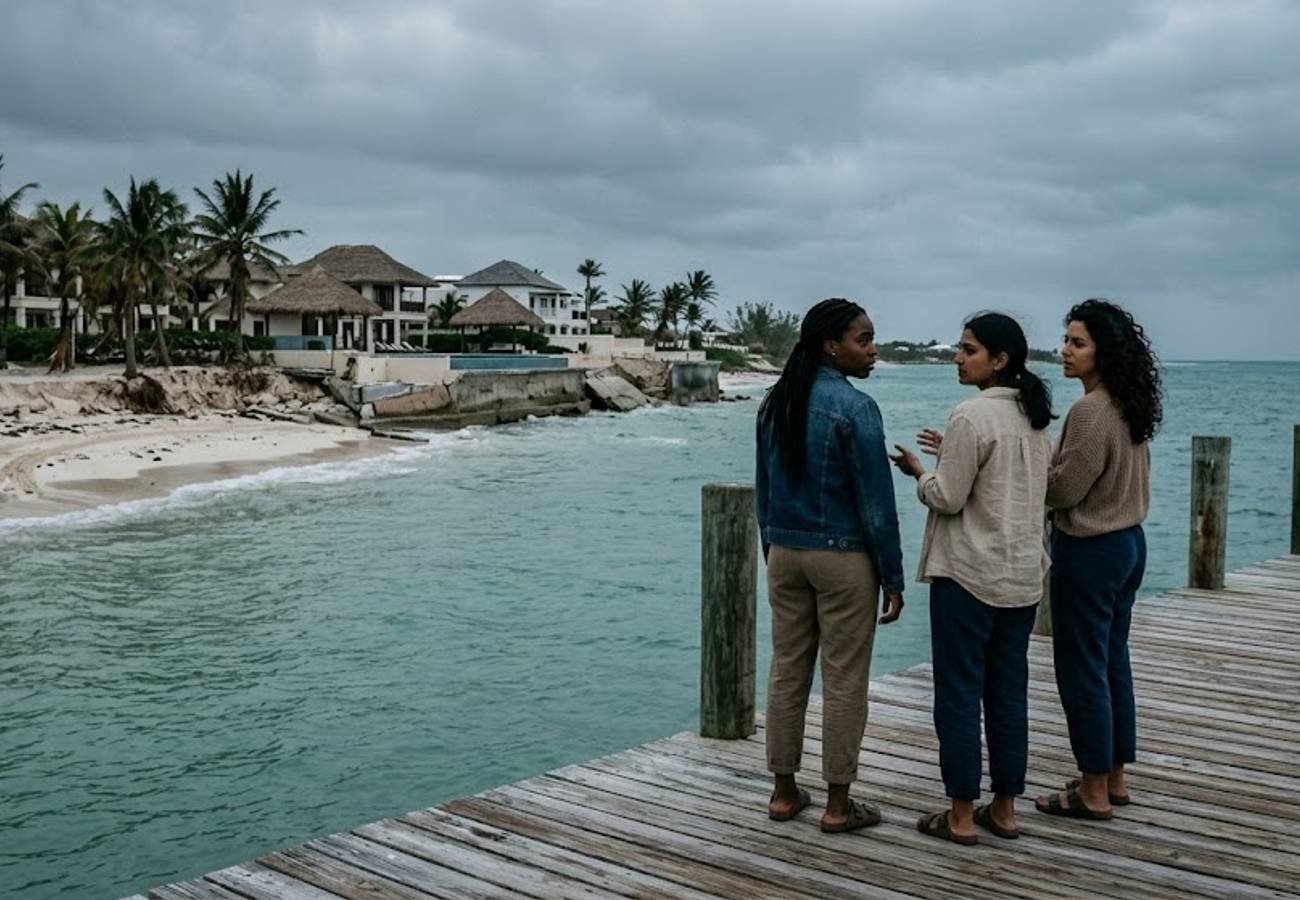
Image generated by AI
The economic survival of the Caribbean's most iconic destinations now hinges on a race against rising tides and intensifying storm cycles. For nations like the Bahamas and Dominica, where tourism is not just an industry but the primary economic pillar, the threat of a climate-driven collapse is no longer theoretical—it is an active operational risk.
The Local Trend Revealed: From Luxury Escapes to Vulnerability Zones
A critical shift is occurring across the Americas, where the very assets that drive tourism—pristine white sands, vibrant coral reefs, and lush rainforests—are becoming the primary points of failure. The Bahamas, Dominica, the Dominican Republic, and Honduras are currently identified as the most vulnerable to this phenomenon.
In the Bahamas, the risk is centered on the concentration of critical infrastructure along exposed coastlines. Because luxury resorts and airports are built for direct beach access, they are now on the front lines of sea-level rise and coastal erosion. The World Bank has explicitly highlighted that Caribbean Small Island Developing States (SIDS) face severe vulnerabilities because their tourism assets are geographically clustered in high-risk zones.
Similarly, Dominica, known as the "Nature Island," is seeing its eco-tourism model challenged. While it lacks the massive beach resorts of its neighbors, its reliance on volcanic landscapes and hiking trails makes it susceptible to landslides and forest destruction following Atlantic hurricanes. The Germanwatch Climate Risk Index confirms that Dominica has experienced significant impacts from extreme weather over recent decades, proving that even "green" tourism is not immune to climate volatility.
Cultural & Environmental Value: The High Cost of Ecosystem Decay
For the visitor, the real impact of this crisis is the gradual disappearance of the "postcard" experience. In Honduras, specifically around the Bay Islands and Roatán, the Mesoamerican Barrier Reef is the primary draw. However, warming ocean temperatures are triggering coral bleaching events that strip the reefs of their color and biodiversity.
When these reefs degrade, the local economy suffers a double blow: the loss of diving revenue and the removal of a natural storm surge barrier that protects coastal villages. This creates a cycle where environmental decay leads to economic instability, which in turn reduces the funds available for local conservation efforts.
In the Dominican Republic, the challenge is scale. As one of the region's largest markets, destinations like Punta Cana and Puerto Plata face "heat stress" risks. As temperatures rise during traditional peak holiday seasons, traveler preferences may shift, forcing operators to invest heavily in cooling infrastructure and beach restoration just to maintain their current competitiveness.
Visitor Insider Tips: Navigating the Vulnerable Caribbean
For those planning a visit to these regions, shifting your travel habits can help support local resilience and ensure a more authentic experience.
- Visit During the "Shoulder" Season: To avoid the peak hurricane risk (typically June through November) and reduce pressure on infrastructure, aim for the window between December and May.
- Prioritize "Community-Based" Stays: In Dominica, skip the larger hotels and opt for locally owned guesthouses. This ensures your spending goes directly into the community's climate adaptation funds.
- Reef-Safe Only: When visiting the Bahamas or Honduras, use only mineral-based, oxybenzone-free sunscreens. Chemical filters contribute to the coral bleaching already being accelerated by rising temperatures.
- Explore the Interior: In the Dominican Republic, move beyond the all-inclusive zones of Punta Cana. Visit the highlands and cultural centers of Santo Domingo to support a more diversified local economy.
Tourism Outlook: The Path to Resilience
The long-term viability of these destinations depends on a transition from "extractive tourism" to "regenerative tourism." This involves building climate-resilient infrastructure—such as sea walls and storm-proof lodging—and diversifying the tourism product so that it does not rely solely on the coastline.
The regional outlook suggests that countries capable of integrating sustainable tourism strategies with official conservation bodies will survive the shift. The goal is to move from being "vulnerable" to "adaptive," ensuring that the cultural heritage and natural beauty of the Americas remain accessible for future generations.
The Caribbean is not just fighting for its beaches; it is fighting for its economic heartbeat.
Related Travel Guides
Disclaimer
This article is for informational and educational purposes only. It does not constitute legal, financial, or professional advice. While we strive to provide accurate and up-to-date information, travel policies, regulations, and conditions change rapidly. Always verify information with official sources before making travel decisions. Nomad Lawyer makes no representations about the accuracy, reliability, completeness, or suitability of the information provided. Readers should consult qualified professionals for advice specific to their circumstances. The views expressed in this article are those of the author and do not necessarily reflect the views of Nomad Lawyer.
Raushan Kumar
Founder & Lead Developer
Full-stack developer with 11+ years of experience and a passionate traveller. Raushan built Nomad Lawyer from the ground up with a vision to create the best travel and law experience on the web.
Learn more about our team →