
Top US Eco-Tourism Cities 2026: Portland, Seattle, and San Francisco Lead Sustainable Urban Travel
Portland, Seattle, and San Francisco are redefining American urban tourism in 2026 by integrating protected natural landscapes with low-impact transport networks for sustainable travel.

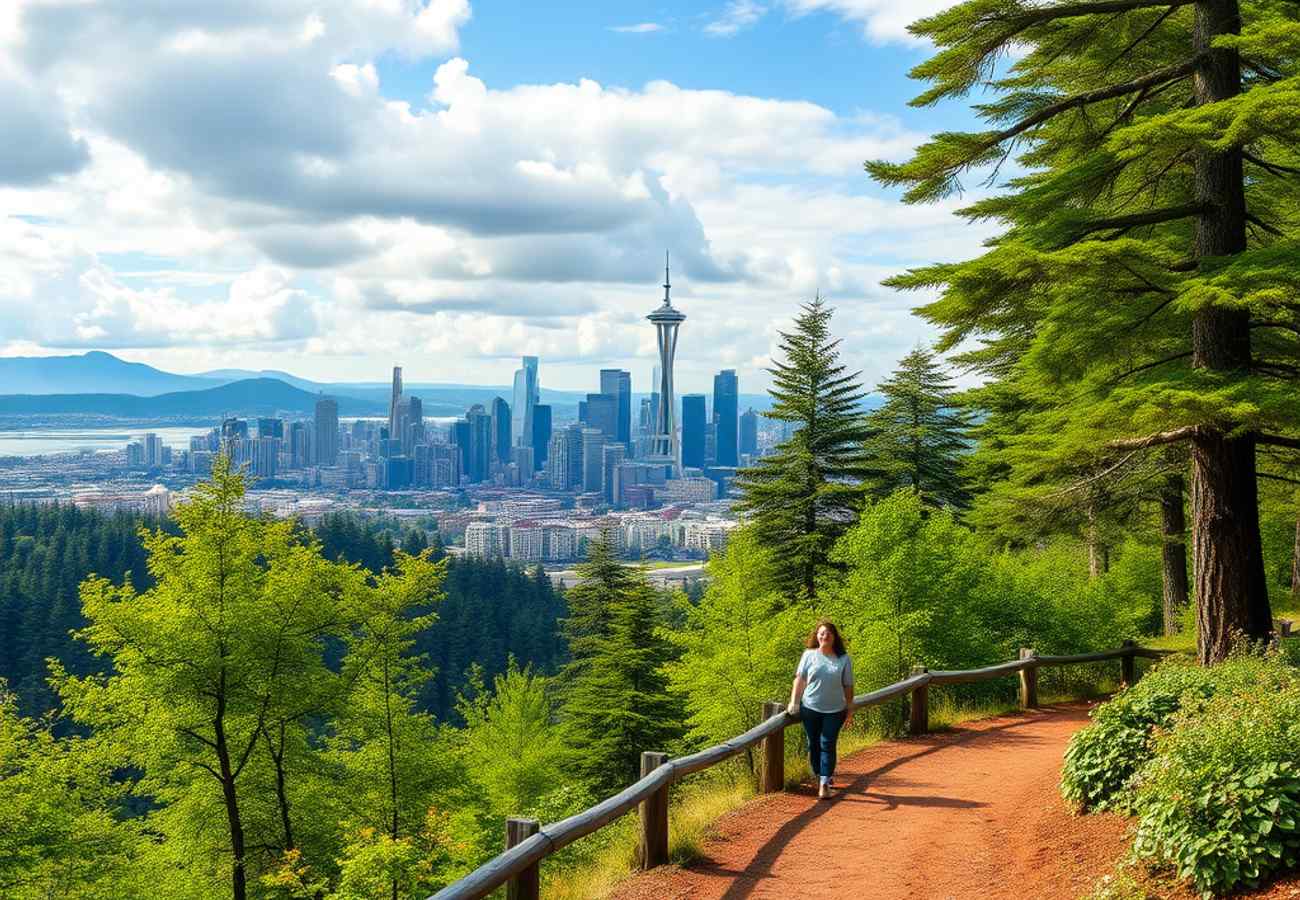
Image generated by AI
American urban tourism is undergoing a systemic shift as cities like Portland, Seattle, and San Francisco pivot toward eco-tourism models that prioritize protected landscapes and carbon-neutral transit.
The traditional sightseeing model is being replaced by a framework where modern infrastructure coexists with fragile ecosystems. In 2026, the demand for "low-impact" travel has moved from a niche preference to a primary driver of destination selection. Travelers are now prioritizing cities that offer direct access to wildlife habitats and forests without requiring high-emission transportation.
This evolution is characterized by the integration of expansive urban parks, zero-emission transit fleets, and strict conservation management. The goal is to allow high-volume visitation while eliminating the ecological pressure typically associated with urban tourism.
Strategic Eco-Tourism Hubs and Infrastructure
The current landscape of US eco-tourism is defined by several key cities that have successfully balanced urban density with environmental preservation.
- Portland, OR: A leader in "car-light" visitation, leveraging a strong cycling culture and light rail to connect visitors to Forest Park's 5,200 acres and 80 miles of trails.
- Seattle, WA: Focuses on biodiversity via Discovery Park's 534 acres and the seasonal Trailhead Direct service, which connects the city to the Issaquah Alps.
- San Francisco, CA: Utilizes the 80,000-acre Golden Gate National Recreation Area, supported by a transit fleet where over half the vehicles are powered by greenhouse-gas-free hydropower.
- Boulder, CO: Manages 46,640 acres of Open Space and Mountain Parks with a mobility design centered on shared transit and cycling.
- Washington, DC: The world’s first LEED for Cities Platinum city, offering low-carbon mobility to sites like the 1,754-acre Rock Creek Park.
2026 US Eco-Tourism City Specifications
| City & Gateway | Primary Eco-Strengths | Low-Impact Access | Peak Period | 2026 Critical Note |
|---|---|---|---|---|
| Portland (PDX) | Forest Park (5,200 acres, 80+ mi trails) | Cycling, buses, light rail | May–Oct | Check closure page (updated 20 July 2026) |
| Seattle (SEA) | Discovery Park (534 acres), Puget Sound | Link light rail, ferries, Trailhead Direct | June–Sept | Trailhead Direct ends 30 August 2026 |
| San Francisco (SFO/OAK) | GG National Rec Area (80,000 acres) | Muni (zero-emission/hydropower) | April–Oct | Reservations required for Muir Woods/Alcatraz |
| Boulder (via DEN) | Open Space & Mountain Parks (46,640 acres) | Local bus to trailheads, shared mobility | May–Oct | Strictly obey seasonal wildlife closures |
| Washington DC (DCA/IAD/BWI) | Rock Creek Park (1,754 acres) | Metro, Capital Bikeshare, walking | Mar–May, Sept–Nov | Meridian Hill Park restoration in progress |
| Minneapolis (MSP) | Grand Rounds (102 mi trails) | Light rail, protected lake paths | May–Oct; Winter | Specialized gear required for winter travel |
| Denver (DEN) | Mountain Parks (14,000 acres) | Rail, new e-bike/scooter (May 2026) | May–Oct; Dec–Mar | High reliance on road access for remote parks |
| Boston (BOS) | Emerald Necklace, Harbor Islands | Subway, Bluebikes, public ferries | May–Oct | Island ferry schedules are seasonal |
| San Diego (SAN) | 42,000+ acres park assets, La Jolla | Trolley, 2025 Mobility Master Plan | Mar–June, Sept–Nov | Car-free travel requires specific lodging |
| Honolulu (HNL) | Hanauma Bay (100-acre marine district) | TheBus, Skyline rail | Jan–May, Sept–Nov | Closed 3–11 August 2026 (sewer work) |
Why This Matters: The Industry Shift
From a logistical perspective, this shift indicates that "destination appeal" is no longer just about the landmark, but about the method of access. Our analysis of these urban models suggests that the integration of "last-mile" sustainable transport (like Seattle's Trailhead Direct or Denver's May 2026 e-bike rollout) is the critical factor in reducing the carbon footprint of tourism.
For the traveler, this means the "experience" now begins at the transit hub. The ability to move from an international airport to a protected wilderness area without a rental car is becoming a competitive advantage for US cities. This trend also forces a change in hospitality; we are seeing a rise in "eco-corridor" lodging—hotels positioned specifically along light rail or trolley lines to facilitate car-free exploration.
Forward Outlook
The next phase of urban eco-tourism will likely move toward "carrying-capacity" management. Honolulu’s Hanauma Bay reservation system serves as the blueprint for this. Expect more US cities to implement strict entry quotas and digital reservation systems for urban parks to prevent "over-tourism" from degrading the very landscapes that attract visitors.
Furthermore, the expansion of zero-emission transit fleets—as seen in San Francisco—will likely become the standard for any city seeking "Eco-Tourism Powerhouse" status. The focus will shift from simply having "green space" to ensuring the transit to that space is carbon-neutral.
The future of the American city is no longer just concrete and steel, but a managed equilibrium between urbanity and wilderness.
Related Travel Guides
Disclaimer
This article is for informational and educational purposes only. It does not constitute legal, financial, or professional advice. While we strive to provide accurate and up-to-date information, travel policies, regulations, and conditions change rapidly. Always verify information with official sources before making travel decisions. Nomad Lawyer makes no representations about the accuracy, reliability, completeness, or suitability of the information provided. Readers should consult qualified professionals for advice specific to their circumstances. The views expressed in this article are those of the author and do not necessarily reflect the views of Nomad Lawyer.
Kunal K Choudhary
Co-Founder & Contributor
A passionate traveller and tech enthusiast. Kunal contributes to the vision and growth of Nomad Lawyer, bringing fresh perspectives and driving the community forward.
Learn more about our team →