
Retired Boeing 747s Surge in Demand as Cargo Operators Resurrect Aviation's Most Iconic Freighter
Breaking airline news and aviation industry updates for 2026.

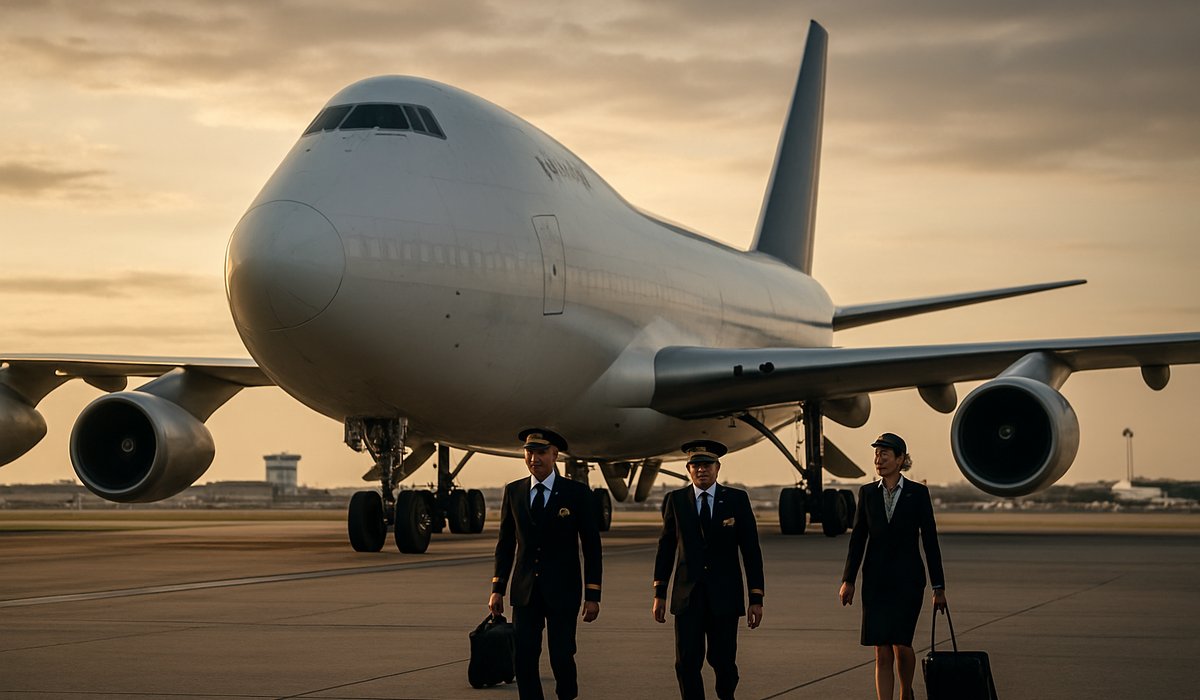
Image generated by AI
Retired Boeing 747s Surge in Demand as Cargo Operators Resurrect Aviation's Most Iconic Freighter
Desert storage yards are emptying fast as airlines and logistics companies race to acquire aging jumbo jets for lucrative freight operations
The Unexpected Second Act for Aviation's Legendary Widebody
The Boeing 747, once synonymous with luxury long-haul travel, is experiencing an unlikely renaissance—not in passenger cabins, but in cargo holds. After years of steady decline as airlines phased out the four-engine giant in favor of fuel-efficient twin-engine alternatives, retired 747s are now commanding premium prices in the freight market, reversing what appeared to be an inevitable retirement narrative.
Throughout the 2010s, the 747's days as a passenger aircraft seemed numbered. Carriers worldwide accelerated their fleet transitions toward modern twin-engine widebodies that significantly reduced fuel consumption and operational costs while requiring smaller crews. The COVID-19 pandemic accelerated this trend dramatically, with major airlines permanently retiring substantial portions of their widebody inventories and parking them in desert boneyards across Arizona, California, and the Middle East.
Cargo Demand Reshapes Aircraft Economics
However, the global cargo boom triggered by pandemic-era e-commerce surges and supply chain disruptions has fundamentally altered the economics of older aircraft. Freight operators have recognized that the 747's enormous cargo capacity—significantly exceeding modern alternatives—justifies investment in converting retired passenger variants into dedicated freighters.
The sudden market shift reflects broader aviation industry dynamics. Jet fuel prices, though volatile, remain historically elevated, but the profitability of cargo operations has offset these fuel surcharges for operators. Airlines and independent logistics companies are now actively acquiring 747s from storage, investing in retrofits and certifications to extend their operational lifespan by decades.
Industry Transformation and Long-Term Implications
This unexpected demand surge has created a thriving secondary market for legacy aircraft that carriers presumed would face eventual scrapping. Aviation analysts note that the 747's resurgence demonstrates how operational flexibility and market conditions can resurrect seemingly obsolete assets.
Freight forwarding companies and combination carriers operating both passenger and cargo services have become primary purchasers, recognizing that 747 conversions provide unmatched payload capacity on long-range international routes. The aircraft's four-engine configuration, once considered economically disadvantageous for passenger operations, actually provides strategic advantages for intensive cargo missions.
The phenomenon underscores how pandemic-induced supply chain pressures and shifting consumer behavior continue reshaping aviation economics. While the 747 may never reclaim its position as the passenger industry's flagship aircraft, its transformation into a sought-after freighter represents a remarkable second chapter for an aircraft type that defined international aviation for five decades.
Frequently Asked Questions
What happened to retired Boeing 747 passenger aircraft? Many 747s originally stored in desert boneyards are now being acquired and converted into dedicated cargo aircraft, extending their operational lifespan significantly rather than being scrapped.
Why are cargo operators interested in older 747s? The 747's exceptional cargo capacity far exceeds modern alternatives, and despite higher jet fuel consumption, the freight market profitability justifies the operational costs.
How does the cargo boom affect aviation industry costs? Increased demand for freight capacity has created new revenue streams that help offset elevated jet fuel prices and supply chain pressures affecting traditional airline operations.
Are airlines still retiring widebody fleets? Yes, but retirement timelines have shifted; some carriers are converting older passenger aircraft into freighters rather than scrapping them entirely.
What does this mean for future aircraft purchases? The 747 resurgence suggests that future widebody designs may need to balance passenger and cargo flexibility to remain economically viable throughout their operational lifecycles.
Related Travel Guides
Flight Delay Compensation Guide 2026
Understanding Airline Route Changes
Airport Security Process Updated (2026)
External Resources
Disclaimer
This article is for informational and educational purposes only. It does not constitute legal, financial, or professional advice. While we strive to provide accurate and up-to-date information, travel policies, regulations, and conditions change rapidly. Always verify information with official sources before making travel decisions. Nomad Lawyer makes no representations about the accuracy, reliability, completeness, or suitability of the information provided. Readers should consult qualified professionals for advice specific to their circumstances. The views expressed in this article are those of the author and do not necessarily reflect the views of Nomad Lawyer.
Raushan Kumar
Founder & Lead Developer
Full-stack developer with 11+ years of experience and a passionate traveller. Raushan built Nomad Lawyer from the ground up with a vision to create the best travel and law experience on the web.
Learn more about our team →