
Boeing's Delivery Crisis Deepens: Airlines Face Mounting Costs as Aircraft Backlog Spirals Out of Control
Breaking airline news and aviation industry updates for 2026.

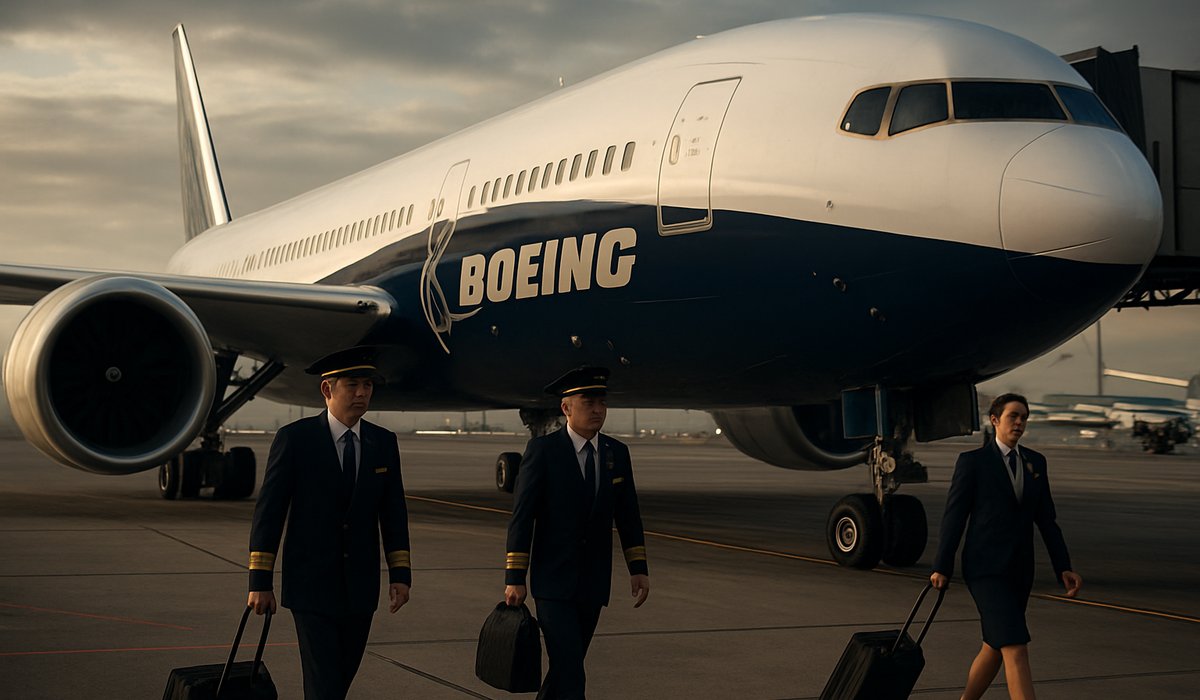
Image generated by AI
Boeing's Delivery Crisis Deepens: Airlines Face Mounting Costs as Aircraft Backlog Spirals Out of Control
Decades-long reputation for reliability crumbles as production delays cascade through global aviation sector
The Unraveling of an Aviation Giant
Boeing's once-sterling reputation as a dependable aircraft manufacturer has fractured dramatically, leaving airlines worldwide scrambling to adapt their fleet strategies and absorb significant financial losses. The aerospace company's accelerating delivery delays have triggered a domino effect across the global aviation industry, forcing carriers to rethink long-term planning, regulators to intensify scrutiny, and investors to reassess confidence in the manufacturer's operational capability.
The deterioration marks a striking reversal for an enterprise that built its dominant market position on predictable, reliable aircraft production schedules—a cornerstone of how airlines manage complex fleet development strategies spanning decades. The cumulative impact of these postponements is now reshaping the economics of air travel itself.
Cascading Delays Disrupt Industry-Wide Operations
The backlog of undelivered aircraft has become increasingly untenable for carriers dependent on fleet modernization. Airlines that locked in orders years ago, anticipating specific delivery windows to retire aging aircraft and reduce fuel consumption costs, now face extended uncertainty. This disruption forces operators to extend the operational life of less-efficient planes, directly inflating jet fuel expenses and maintenance costs at a time when operational margins remain razor-thin.
Regulatory bodies have grown visibly frustrated with Boeing's inability to meet commitments, intensifying quality control audits and certification reviews. These interventions, while necessary, create additional bottlenecks that further postpone aircraft handovers to waiting carriers.
Financial Toll Across the Aviation Sector
The delays carry substantial financial consequences. Airlines absorb costs associated with extended leasing of interim aircraft, deferred retirement of fuel-inefficient models, and disrupted capital planning. For carriers already managing elevated jet fuel prices and competitive baggage charge structures, the inability to introduce newer, more economical aircraft represents a significant competitive disadvantage.
Boeing's production struggles also ripple through supply chain partners and maintenance providers, creating additional pressure on an already strained aviation ecosystem.
Industry Confidence at Risk
The manufacturer's inability to maintain its historical delivery commitments has fundamentally altered how airlines approach procurement decisions. Carriers now factor significant schedule contingency buffers into their planning—an unprecedented shift that reflects eroded trust in Boeing's operational assurances.
Competitors, notably Airbus, have capitalized on the uncertainty, positioning themselves as more reliable alternatives for fleet modernization initiatives.
FAQ: Boeing Delays and Aviation Industry Impact
Q: How do aircraft delivery delays affect airline baggage fees and ticket prices? A: Extended delays force carriers to operate older, less-efficient aircraft longer, increasing fuel costs that often translate into higher baggage charges and ticket pricing for consumers.
Q: Why are jet fuel prices connected to Boeing's production backlog? A: Delayed delivery of newer, fuel-efficient aircraft means airlines continue operating older planes longer, burning more fuel and exposing them to volatile jet fuel price fluctuations.
Q: Which airlines are most affected by Boeing's delayed deliveries? A: Major carriers with significant Boeing order books—including American Airlines, Southwest Airlines, and international operators—face the most substantial fleet planning disruptions.
Q: How long will Boeing's aircraft backlog take to clear? A: Timeline uncertainty remains a critical industry concern; clearing the backlog could take several years, depending on production rate improvements and regulatory approval processes.
Q: Is Airbus benefiting from Boeing's delivery troubles? A: Yes; Airbus has gained market share as airlines seek alternative suppliers with more reliable delivery schedules and established operational track records.
Related Travel Guides
Flight Delay Compensation Guide 2026
Understanding Airline Route Changes
Airport Security Process Updated (2026)
External Resources
Disclaimer
This article is for informational and educational purposes only. It does not constitute legal, financial, or professional advice. While we strive to provide accurate and up-to-date information, travel policies, regulations, and conditions change rapidly. Always verify information with official sources before making travel decisions. Nomad Lawyer makes no representations about the accuracy, reliability, completeness, or suitability of the information provided. Readers should consult qualified professionals for advice specific to their circumstances. The views expressed in this article are those of the author and do not necessarily reflect the views of Nomad Lawyer.
Raushan Kumar
Founder & Lead Developer
Full-stack developer with 11+ years of experience and a passionate traveller. Raushan built Nomad Lawyer from the ground up with a vision to create the best travel and law experience on the web.
Learn more about our team →