
Aviation Alert in India as Air India Flight AI 2812 Suffers Engine Stall After Takeoff from Mumbai, Pilots Declare PAN PAN and Return Safely
Air India Flight AI 2812 experienced an engine stall after takeoff from Mumbai, prompting pilots to declare PAN PAN and return safely. All passengers and crew are safe, with a replacement aircraft arranged.

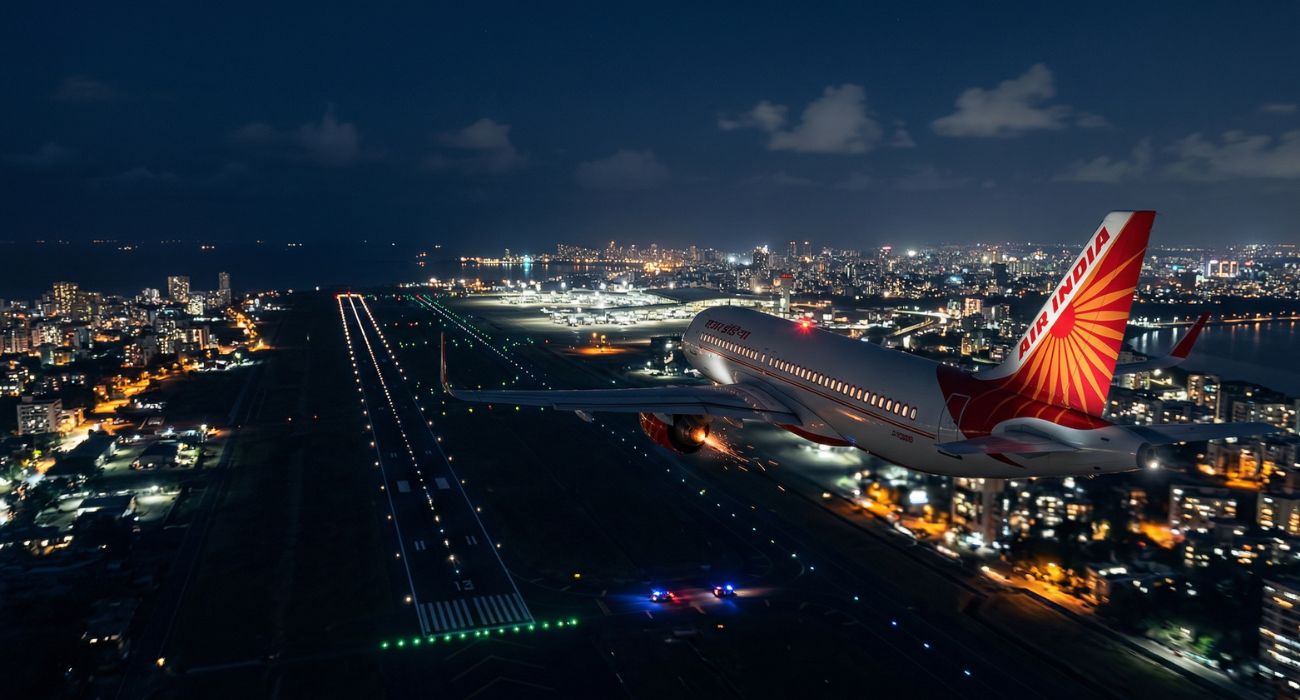
Image generated by AI
Quick Summary
- Air India Flight AI 2812 experienced an engine stall shortly after takeoff from Mumbai
- Pilots declared PAN PAN urgency and returned safely to Chhatrapati Shivaji Maharaj International Airport
- All passengers and crew are safe, with a replacement Airbus A320neo arranged
- DGCA investigation underway to examine the root cause of the engine stall
- Incident highlights importance of aviation safety protocols and crew response
Aviation Alert in India as Air India Flight AI 2812 Suffers Engine Stall After Takeoff from Mumbai, Pilots Declare PAN PAN and Return Safely
MUMBAI — A critical aviation safety incident unfolded in India as Air India Flight AI 2812, operating from Mumbai to Bengaluru, experienced an engine stall shortly after takeoff, prompting pilots to declare a PAN PAN urgency and initiate an immediate return to Chhatrapati Shivaji Maharaj International Airport. The aircraft landed safely within minutes, ensuring the safety of all passengers and crew on board.
The flight, operated using an Airbus A320neo, encountered the issue during the initial climb phase, highlighting the importance of rapid crew response and established aviation safety protocols.
Incident Timeline: From Takeoff to Safe Return
Flight AI 2812 was scheduled to depart at 2:05 AM but took off at approximately 2:15 AM, slightly behind schedule. Shortly after departure, passengers reported loud noises and visible sparks from the aircraft's right-hand engine (Engine 2).
Recognizing the seriousness of the situation, the flight crew promptly declared a PAN PAN emergency, signaling an urgent but non-life-threatening condition requiring priority handling.
The aircraft returned safely to Mumbai and landed at approximately 2:35 AM, meaning the entire emergency event — from takeoff to landing — was resolved in under 20 minutes.
What Happened: Understanding the Engine Stall
The incident involved a stall in the aircraft's right-hand engine, powered by CFM LEAP-1A engines.
An engine stall occurs when airflow through the engine's compressor is disrupted, potentially leading to:
- Temporary loss of thrust
- Loud bangs or abnormal sounds
- Visible sparks or flame
In this case, the stall was quickly identified and managed by the flight crew, preventing escalation into a more serious emergency.
PAN PAN Call: Why It Was Declared
The pilots declared a PAN PAN urgency, a globally recognized aviation signal used when a situation is serious but not immediately life-threatening.
Unlike a MAYDAY call, which indicates extreme danger, PAN PAN ensures:
- Priority clearance from air traffic control
- Immediate coordination with ground services
- Prepared emergency response upon landing
This decision enabled a controlled and efficient return to Mumbai, minimizing risk and ensuring passenger safety.
Swift Response from Crew and Air Traffic Control
Following the emergency declaration, air traffic control at Chhatrapati Shivaji Maharaj International Airport prioritized the aircraft's return.
Emergency services were placed on standby as a precaution, while the flight crew executed standard safety procedures.
The aircraft landed safely without further complications, demonstrating effective coordination between cockpit crew and ground control.
Passenger Experience and Onboard Situation
Passengers described a tense experience during the climb phase, particularly after noticing unusual engine noise and sparks.
Despite initial concern, the situation remained controlled throughout, with the crew maintaining communication and executing procedures calmly.
After landing, all passengers were safely disembarked and assisted by ground staff.
Alternative Aircraft Arranged for Passengers
Air India arranged a replacement aircraft to ensure passengers could continue their journey to Kempegowda International Airport.
The substitute aircraft, another Airbus A320neo (registered VT-ATV), had previously been operated by Vistara and was also equipped with CFM LEAP-1A engines.
This quick turnaround minimized disruption and ensured passengers reached their destination with limited delay.
Aircraft and Technical Background
The aircraft involved, registered VT-TNK, is an approximately eight-year-old Airbus A320neo, part of Air India's modern narrow-body fleet.
The A320neo is widely recognized for:
- Improved fuel efficiency
- Reduced noise levels
- Advanced engine technology
However, like all complex mechanical systems, aircraft engines can occasionally experience technical anomalies such as stalls.
Investigation by Aviation Authorities
India's aviation regulator, the Directorate General of Civil Aviation (DGCA), is expected to conduct a detailed investigation into the incident.
The investigation will focus on:
- Root cause of the engine stall
- Aircraft maintenance history
- Crew response and protocol adherence
- Engine performance and technical factors
Findings from the DGCA will play a crucial role in identifying preventive measures and strengthening aviation safety standards.
Aviation Safety in Focus
While engine stalls are relatively rare, incidents like this highlight the importance of pilot training, aircraft maintenance, and real-time decision-making in modern aviation.
The successful handling of Flight AI 2812 demonstrates how established safety frameworks and experienced crews can effectively manage unexpected situations.
Conclusion: A Controlled Emergency with a Safe Outcome
The incident involving Air India Flight AI 2812 underscores the resilience of aviation safety systems. The engine stall, though serious, was managed swiftly through the declaration of a PAN PAN urgency, allowing the aircraft to return safely without escalation.
With all passengers safe, a replacement aircraft deployed, and an investigation underway, the event serves as a reminder that aviation safety relies on precision, preparedness, and rapid response.
As authorities continue to examine the cause, this incident reinforces confidence in global aviation systems designed to protect passengers even in critical moments.
Frequently Asked Questions
What caused the engine stall on Air India Flight AI 2812? The DGCA investigation will determine the root cause, but engine stalls typically result from airflow disruptions in the compressor. The incident was managed effectively by the crew.
Was there any danger to passengers during the incident? The situation was controlled throughout, with the PAN PAN declaration ensuring priority handling. All passengers and crew landed safely without further complications.
How long did the emergency last? The entire incident, from takeoff to safe landing, was resolved in under 20 minutes, demonstrating rapid crew response and ATC coordination.
What aircraft was involved in the incident? An eight-year-old Airbus A320neo (registered VT-TNK) powered by CFM LEAP-1A engines, part of Air India's modern fleet.
What happens next after the DGCA investigation? The investigation findings will inform safety improvements, potentially including maintenance protocols or crew training enhancements to prevent similar incidents.
Tags: Air India, engine stall, aviation safety India, Airbus A320neo, PAN PAN emergency, flight incident Mumbai
Disclaimer
This article is for informational and educational purposes only. It does not constitute legal, financial, or professional advice. While we strive to provide accurate and up-to-date information, travel policies, regulations, and conditions change rapidly. Always verify information with official sources before making travel decisions. Nomad Lawyer makes no representations about the accuracy, reliability, completeness, or suitability of the information provided. Readers should consult qualified professionals for advice specific to their circumstances. The views expressed in this article are those of the author and do not necessarily reflect the views of Nomad Lawyer.
Kunal K Choudhary
Co-Founder & Contributor
A passionate traveller and tech enthusiast. Kunal contributes to the vision and growth of Nomad Lawyer, bringing fresh perspectives and driving the community forward.
Learn more about our team →