
Austria Unveils Burgenland’s Hidden Water Adventure With Family Fun And Affordable Tickets
Austria Unveils Burgenland’s Hidden Water Adventure With Family Fun And Affordable Tickets

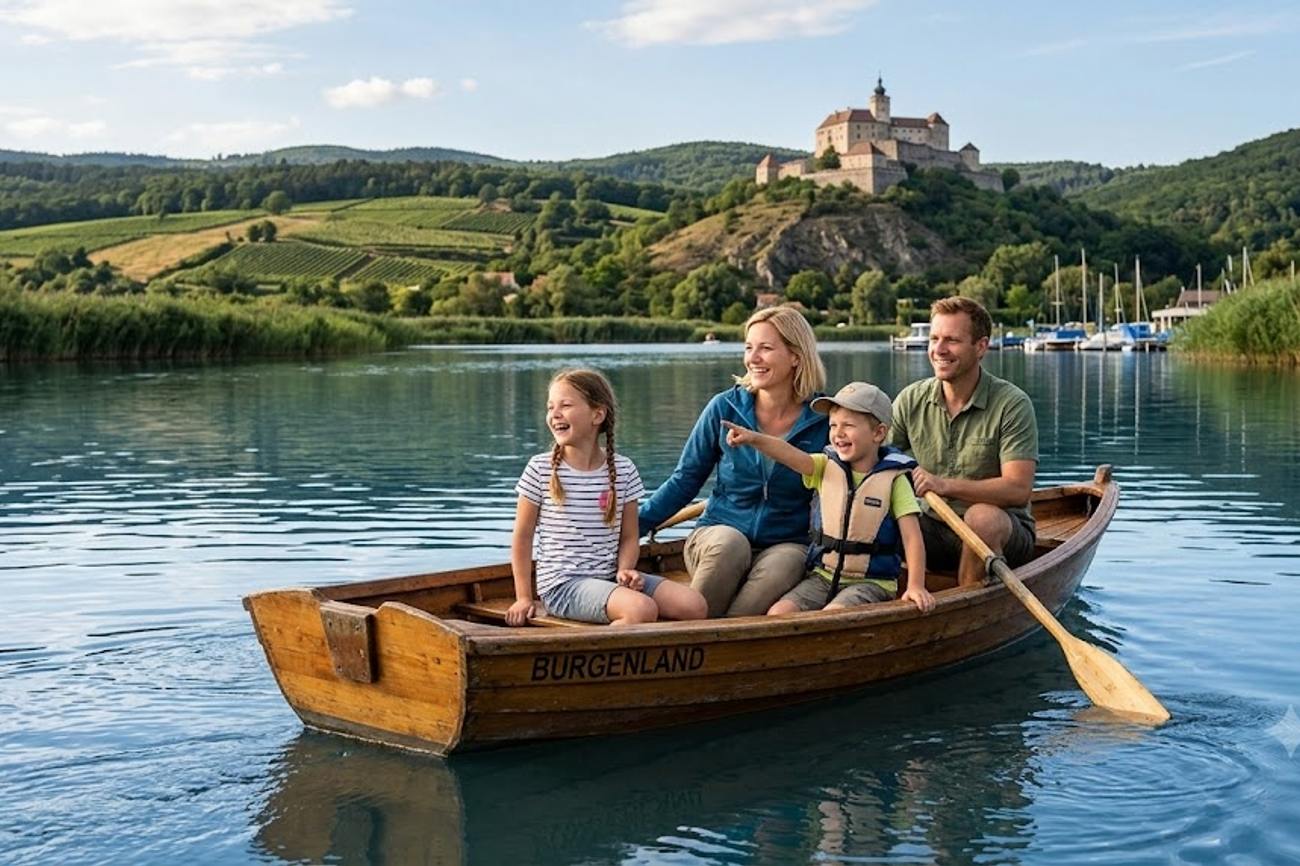
Image generated by AI
A €6 entry fee marks the baseline for accessing one of Austria's most strategic pivots toward decentralized, family-centric rural tourism. By positioning the Wassererlebniswelt Südburgenland in the municipality of Eberau, regional planners are actively attempting to divert tourist traffic away from the saturated urban centers of Vienna and Salzburg toward the underdeveloped landscapes of the south. This shift represents a broader movement in European travel: the transition from passive sightseeing to "experience-based tourism," where the value proposition is rooted in active participation and environmental immersion rather than landmark consumption.
The Strategic Decentralization of Austrian Tourism
For decades, the Austrian tourism model has relied heavily on the "Alpine-Urban Axis," concentrating the majority of international spend in the mountains and the capital. However, the development of the Wassererlebniswelt Südburgenland indicates a calculated effort to monetize the countryside of South Burgenland. By integrating water-based leisure with nature excursions, the region is targeting a specific demographic: the high-value family traveler who prioritizes "slow travel" and authentic regionalism over the high-density crowds of traditional hotspots.
This movement is supported by the Austrian National Tourist Office, which has increasingly promoted the diverse geography of the eastern provinces. The Wassererlebniswelt Südburgenland serves as a primary anchor for this strategy, transforming Eberau into a destination rather than a transit point. The focus on "water experiences" and "recreation areas" allows the region to compete with more established lake districts by offering a curated, safe, and family-oriented environment that reduces the friction typically associated with exploring rural hinterlands.
Fiscal Incentives and the Burgenland Card Ecosystem
The economic accessibility of the Wassererlebniswelt Südburgenland is not accidental; it is a tactical pricing strategy designed to increase the "length of stay" (LOS) for visitors. By keeping the individual entry price at €6, the attraction lowers the barrier to entry, encouraging spontaneous visits from travelers who may be in the region for other reasons, such as wine tourism or cycling.
The more sophisticated element of this strategy is the integration of the Burgenland Card. This regional pass acts as a loyalty and discovery tool, offering free admission to the water park during specific partner periods. From a logistical standpoint, this incentivizes the traveler to explore a wider array of regional partners, effectively distributing tourist spending across multiple small businesses in South Burgenland rather than concentrating it in a single venue.
| Visitor Category | Access Benefit | Strategic Impact |
|---|---|---|
| Individual Travelers | €6 Entry Fee | Low-friction entry for spontaneous visitors |
| Families | Budget-friendly pricing | Increases appeal for multi-generational groups |
| Burgenland Card Holders | Free admission (partner periods) | Drives regional exploration and loyalty |
| Regional Tourists | High value-to-cost ratio | Encourages longer stays in South Burgenland |
Expert Analysis: The Economics of Experience-Based Ruralism
For the modern nomad or family traveler, the shift toward sites like Wassererlebniswelt Südburgenland signals a change in how "value" is calculated in the European travel market. We are seeing a move away from the "Bucket List" mentality—where the goal is to check off a famous monument—toward "Meaningful Activity" tourism.
Austria's Burgenland region is now offering a hidden water adventure that is perfect for families, with affordable ticket prices starting from €20 per person. For more information on ticket prices and packages, visit the official Austrian National Tourist Office website to plan your trip. The region's lakes and rivers provide a unique opportunity for water sports and activities, making it an ideal destination for families and adventure seekers.
The direct consequence for travelers booking routes through Eastern Austria is a diversification of the itinerary. When an attraction offers a low-cost, high-engagement experience, it creates a "halo effect" for the surrounding area. A family visiting Eberau for the water park is significantly more likely to spend money at a local guesthouse, rent bicycles for the regional trails, or purchase local produce from a village market.
Furthermore, the pricing pressure created by the Burgenland Card forces other regional attractions to align their pricing or offer similar benefits to remain competitive. This creates a consumer-friendly environment where the "cost of discovery" is lowered. For those navigating the legal and logistical side of long-term travel in the EU, these regional cards are essential tools for budget optimization, transforming a series of expensive individual entries into a predictable, bundled expense. The integration of such cards suggests that Burgenland is moving toward a "destination management" model, where the entire province is marketed as a single, cohesive product rather than a collection of disparate villages.
Key Takeaways
- Entry Cost Efficiency: Individual access to Wassererlebniswelt Südburgenland is priced at €6, making it one of the most affordable family-centric outdoor venues in the region.
- Strategic Location: Situated in Eberau, the attraction is designed to pull tourist traffic into South Burgenland, reducing the burden on Austria's overcrowded city centers.
- The Card Advantage: The Burgenland Card provides free admission during partner periods, serving as a critical tool for reducing overall holiday expenditure.
- Shift in Tourism Logic: The site prioritizes "experience-based tourism" (swimming, nature excursions, and outdoor recreation) over traditional passive sightseeing.
- Itinerary Integration: The venue is positioned as a complementary stop for those already engaging in regional wine tours or cycling excursions.
FAQ: Visiting South Burgenland 2024
Is the Burgenland Card worth it for a short trip? Yes, if you plan to visit multiple attractions. Since it provides free access to sites like Wassererlebniswelt Südburgenland during partner periods, it often pays for itself within two or three stops, while encouraging you to explore beyond the main towns.
To get to Burgenland, visitors can fly into Vienna International Airport, which is approximately 60 kilometers from the region, and then take a train or bus to their final destination. For flight schedules and booking information, check the Vienna Airport website for the latest updates and to plan your journey. Once in Burgenland, visitors can enjoy a range of water activities, including sailing, kayaking, and paddleboarding, making it a great destination for families and outdoor enthusiasts.
What is the best time of year to visit Wassererlebniswelt Südburgenland? The attraction is primarily designed for summer holidays. Because it focuses on water-based activities and outdoor nature excursions, peak utility is found during the warmer months when families seek alternatives to urban heat.
How does this attraction differ from typical Austrian tourist sites? Unlike the historic museums of Vienna or the peaks of the Alps, this site focuses on "participation." It is designed for active recreation—swimming and exploring—rather than observing landmarks, offering a quieter, more authentic countryside experience.
What should I pack for a day trip to Eberau? Visitors should bring appropriate swimwear and water-resistant clothing. Since the attraction is integrated into the natural landscape of South Burgenland, comfortable walking shoes for nature excursions are also highly recommended.
The migration of the Austrian tourist from the cathedral to the creek is more than a trend; it is a calculated economic redistribution.
Tags: Wassererlebniswelt Südburgenland, Eberau, Burgenland Card, South Burgenland Tourism, Austria Family Travel 2024
Related Travel Guides
- Italy Beats Spain and More as 18 European Venues Put Nightlife Tourism in Focus for City Travellers
- Shanghai, Seoul and Tokyo Keep Pace With Leading Asian Destinations as Mega-Event Tourism Drives Longer Stays
- China’s Heritage Revival Turns Xi’an and Xiamen Into Rising Cultural Cities Shaping Future Travel Trends
Disclaimer
This article is for informational and educational purposes only. It does not constitute legal, financial, or professional advice. While we strive to provide accurate and up-to-date information, travel policies, regulations, and conditions change rapidly. Always verify information with official sources before making travel decisions. Nomad Lawyer makes no representations about the accuracy, reliability, completeness, or suitability of the information provided. Readers should consult qualified professionals for advice specific to their circumstances. The views expressed in this article are those of the author and do not necessarily reflect the views of Nomad Lawyer.
Naina Thakur
Contributor & Travel Specialist
Travel enthusiast and legal writer covering visa regulations, responsible tourism, and cultural journeys across global destinations.
Learn more about our team →