
Ex-Qantas Executive Plans European-Style Ultra-Low-Cost Carrier for Australia, Targeting Western Sydney Airport
Breaking airline news and aviation industry updates for 2026.

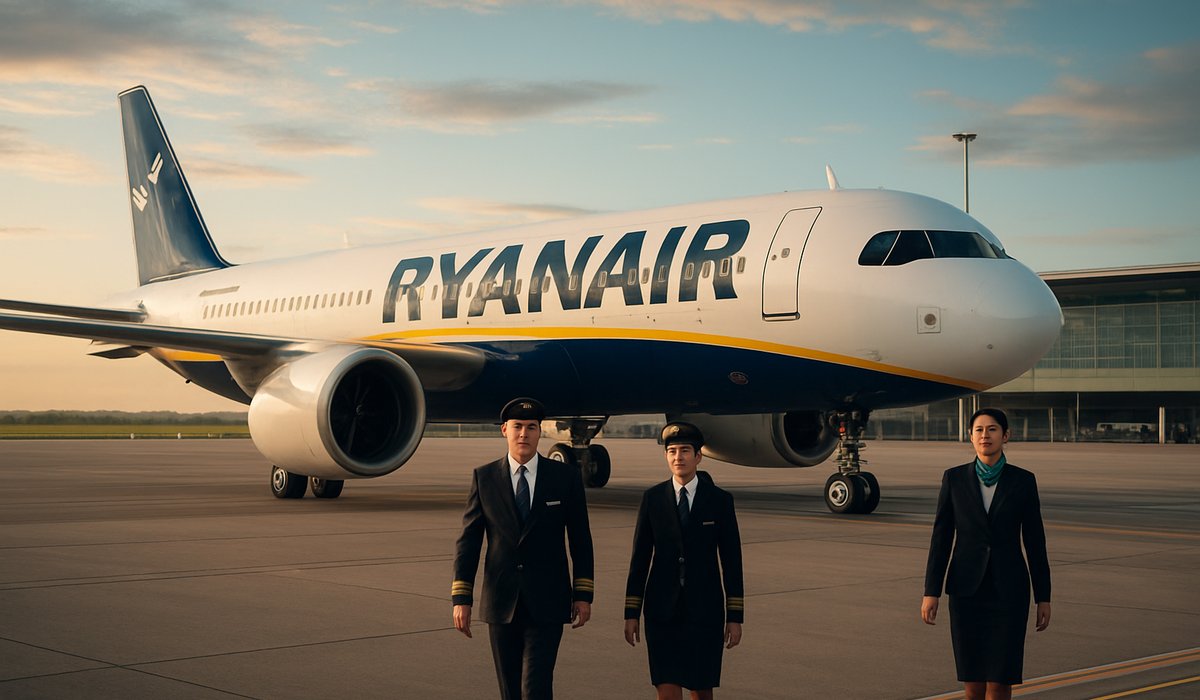
Image generated by AI
Ex-Qantas Executive Plans European-Style Ultra-Low-Cost Carrier for Australia, Targeting Western Sydney Airport
New startup aims to replicate Ryanair's disruptive model in Southern Hemisphere with all-Airbus fleet
Ambitious New Entrant Signals Major Shift in Australian Aviation Market
A former senior executive at Qantas has unveiled plans to establish Zinc Airlines, a new ultra-low-cost carrier (ULCC) designed to shake up Australia's competitive but consolidated aviation landscape. The proposed startup would operate an all-Airbus A321neo fleet from Western Sydney International Airport, positioning itself as the local equivalent to Europe's dominant budget carriers like Ryanair.
The initiative comes as the Australian aviation industry grapples with persistent cost pressures, soaring jet fuel expenses, and mounting airline fees that have constrained competition among the nation's major carriers. The newcomer's focus on a single aircraft type and a hub at Sydney's yet-to-be-fully-utilized new terminal reflects a calculated strategy to minimize operational complexity while capitalizing on underutilized airport capacity.
Strategic Positioning Within Australia's Aviation Ecosystem
The A321neo, a modern narrow-body jetliner with exceptional fuel efficiency, represents a deliberate choice to maximize both range and passenger density on domestic and regional routes. This aircraft type delivers significantly lower unit costs per seat compared to traditional narrow-body competitors, enabling the carrier to undercut established operators while maintaining viable margins—a model perfected by European LCCs over the past two decades.
Western Sydney International Airport, which commenced operations recently, presents an untapped growth opportunity. The facility's available slots and infrastructure offer the new entrant substantial operational flexibility without the congestion constraints faced at Sydney's primary airport, allowing for rapid expansion and rapid turnaround operations essential to the ULCC business model.
Market Conditions and Competitive Landscape
Australia's aviation sector has experienced significant structural changes in recent years. Major carriers including Qantas and Virgin Australia have maintained relatively high cost bases, leaving substantial room for a disciplined, efficiency-focused competitor. Rising fuel costs, exacerbated by global supply chain disruptions, have intensified pressure on airlines to innovate operationally—conditions that favour carriers built from inception around lean operations and ancillary revenue generation.
The proposed entry of Zinc Airlines would represent the first serious attempt by a major aviation executive to establish a large-scale ULCC operation in Australia, challenging a duopoly that has historically resisted aggressive pricing competition.
What This Means for Australian Travelers
If successful, such a venture could fundamentally alter fare structures across domestic routes, potentially reducing baggage charges, seat selection fees, and other ancillary costs that have become standard revenue drivers for legacy carriers. Conversely, established airlines may respond through strategic capacity adjustments or aggressive pricing of their own.
Frequently Asked Questions
Q: When might Zinc Airlines begin operations? A: No confirmed launch date has been announced, pending regulatory approval and financing arrangements.
Q: How would Zinc Airlines differ from existing Australian carriers? A: The ULCC model emphasizes minimalist operations, single aircraft type economies, and ancillary revenue strategies typical of European budget carriers.
Q: Could this startup impact airline fees and baggage charges? A: Competition from a new ULCC could pressure pricing across the market, though ultra-low-cost models typically monetize services through transparent add-on fees.
Q: Why choose the A321neo specifically? A: The aircraft delivers superior fuel efficiency and seat capacity, reducing per-passenger operating costs—critical for ULCC viability.
Q: How viable is the Australian ULCC market? A: Market analysis suggests sufficient unmet demand for budget travel, though regulatory, airport, and financing barriers remain significant hurdles.
Related Travel Guides
Disclaimer
This article is for informational and educational purposes only. It does not constitute legal, financial, or professional advice. While we strive to provide accurate and up-to-date information, travel policies, regulations, and conditions change rapidly. Always verify information with official sources before making travel decisions. Nomad Lawyer makes no representations about the accuracy, reliability, completeness, or suitability of the information provided. Readers should consult qualified professionals for advice specific to their circumstances. The views expressed in this article are those of the author and do not necessarily reflect the views of Nomad Lawyer.
Kunal K Choudhary
Co-Founder & Contributor
A passionate traveller and tech enthusiast. Kunal contributes to the vision and growth of Nomad Lawyer, bringing fresh perspectives and driving the community forward.
Learn more about our team →