
Global Cargo Airlines Face Equipment Crisis as Fleet Modernization Stalls Despite Soaring Demand
Breaking airline news and aviation industry updates for 2026.

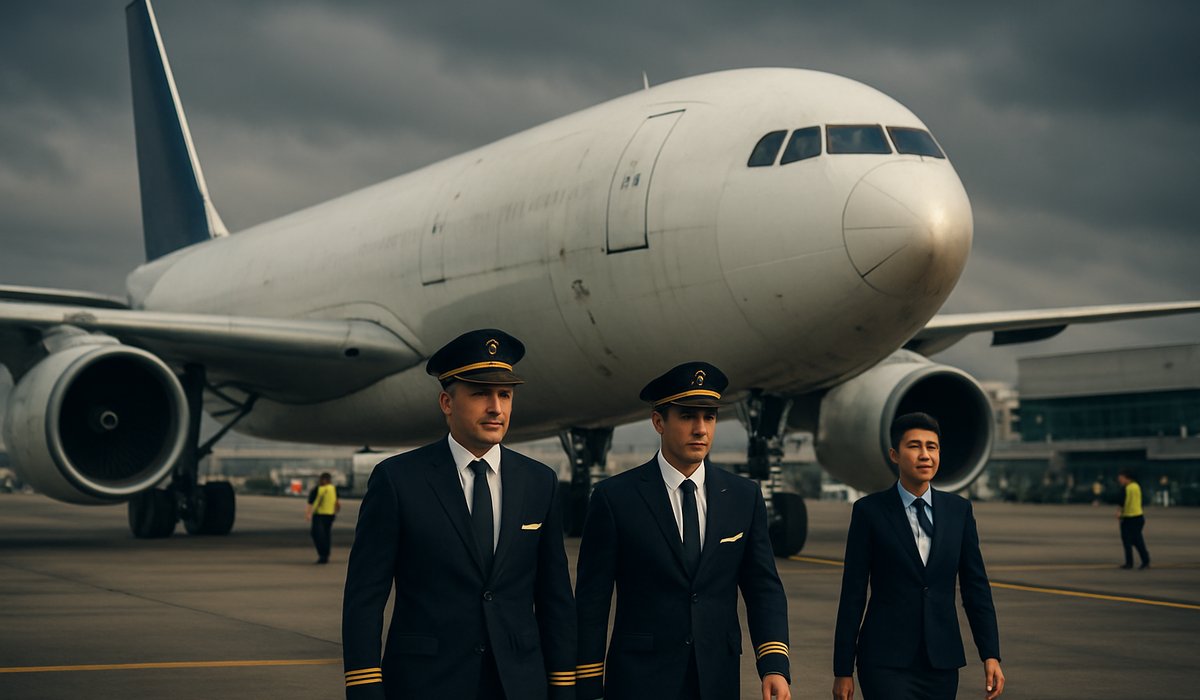
Image generated by AI
Global Cargo Airlines Face Equipment Crisis as Fleet Modernization Stalls Despite Soaring Demand
Manufacturing bottlenecks and supply chain chaos prevent carriers from replacing decades-old freighters, threatening operational efficiency and sustainability goals
The Perfect Storm: Aging Assets Meet Manufacturing Gridlock
The international air cargo sector is confronting a critical infrastructure challenge that threatens to undermine its operational efficiency and environmental commitments. Despite unprecedented demand for modern, fuel-efficient cargo aircraft, major logistics carriers worldwide are unable to execute long-overdue fleet replacement programs due to a perfect convergence of manufacturing constraints and supply chain disruptions.
The predicament has forced industry operators into an uncomfortable position: maintaining aging freighters well beyond their intended service lives rather than transitioning to next-generation aircraft that would dramatically reduce jet fuel consumption and operating costs.
Why Modernization Remains Out of Reach
Several interconnected factors are preventing cargo airlines from retiring their aging assets. Aircraft manufacturers face severe production bottlenecks that have extended delivery timelines for new freighters to unprecedented levels. Simultaneously, global supply chain fragmentation has created sourcing challenges for critical aircraft components, hampering the ability to accelerate manufacturing schedules.
The situation is particularly acute for carriers operating converted passenger-to-freighter (P2F) aircraft and older dedicated cargo platforms—vessels that were originally engineered for retirement cycles that have long since passed. These aircraft now represent critical operational assets that carriers cannot afford to ground while waiting for replacement inventory.
The Cost of Delay: Maintenance and Sustainability Concerns
For major cargo operators, the inability to modernize has created a costly dilemma. Extended maintenance regimens for aging freighters consume significant capital that could otherwise fund fleet upgrades. Additionally, older aircraft consume substantially more fuel than contemporary designs, perpetuating higher operating expenses and complicating corporate sustainability targets at a moment when environmental accountability has become strategically essential.
The aviation industry's broader decarbonization commitments face headwinds as cargo carriers remain tethered to inefficient equipment. Modern freighters can reduce fuel consumption by 15-25% compared to aging counterparts, translating to measurable reductions in carbon emissions per ton-kilometer transported.
Market Implications and Path Forward
Industry analysts project that this equipment shortage will persist throughout the near-to-medium term, creating competitive advantages for carriers with newer aircraft while pressuring those dependent on legacy fleets. The situation may also result in elevated air cargo pricing as operational inefficiencies are absorbed into shipping rates.
Manufacturers acknowledge the bottlenecks but have provided limited visibility into resolution timelines, leaving logistics operators in a holding pattern of extended asset lifecycles and mounting maintenance expenditures.
FAQ: Air Cargo Fleet Modernization and Aviation Supply Chains
Q: Why can't cargo airlines simply order new aircraft to replace aging freighters? A: New freighter manufacturing is constrained by production bottlenecks at major aircraft manufacturers and global supply chain disruptions that limit component availability, extending delivery timelines significantly.
Q: How does aging cargo fleet equipment affect air cargo pricing? A: Older aircraft require higher maintenance costs and consume more jet fuel, increasing operational expenses that are often passed through to customers via elevated shipping rates and service charges.
Q: What environmental impact do aging cargo planes have compared to modern freighters? A: Legacy aircraft consume 15-25% more fuel than contemporary freighter designs, resulting in substantially higher carbon emissions per ton-kilometer transported and complicating airline sustainability targets.
Q: How long will the cargo aircraft shortage likely continue? A: Manufacturers have provided limited delivery visibility, but industry analysts project the equipment constraint will persist throughout the near-to-medium term without significant manufacturing capacity expansion.
Q: Which cargo airlines are most affected by fleet aging challenges? A: Major global logistics carriers relying heavily on converted passenger aircraft and older dedicated freighters face the most acute operational pressures, while carriers with newer aircraft gain competitive advantages during this supply-constrained period.
Related Travel Guides
- Ryanair vs Wetherspoon: Airport Alcohol Battle Threatens British Tourism as Michael O'Leary Demands Two-Drink Limits
- United Airlines Boeing 777 Struck by Rare Double Diversion in 24-Hour Operational Nightmare
- Alaska Airlines Defeats East Coast Travel Chaos with Direct Seattle to Reykjavik Boeing 737 MAX Flights
Disclaimer
This article is for informational and educational purposes only. It does not constitute legal, financial, or professional advice. While we strive to provide accurate and up-to-date information, travel policies, regulations, and conditions change rapidly. Always verify information with official sources before making travel decisions. Nomad Lawyer makes no representations about the accuracy, reliability, completeness, or suitability of the information provided. Readers should consult qualified professionals for advice specific to their circumstances. The views expressed in this article are those of the author and do not necessarily reflect the views of Nomad Lawyer.
Preeti Gunjan
Contributor & Community Manager
A passionate traveller and community builder. Preeti helps grow the Nomad Lawyer community, fostering engagement and bringing the reader experience to life.
Learn more about our team →