
Australia Spring Travel Guide: 15 Iconic Destinations for 2026

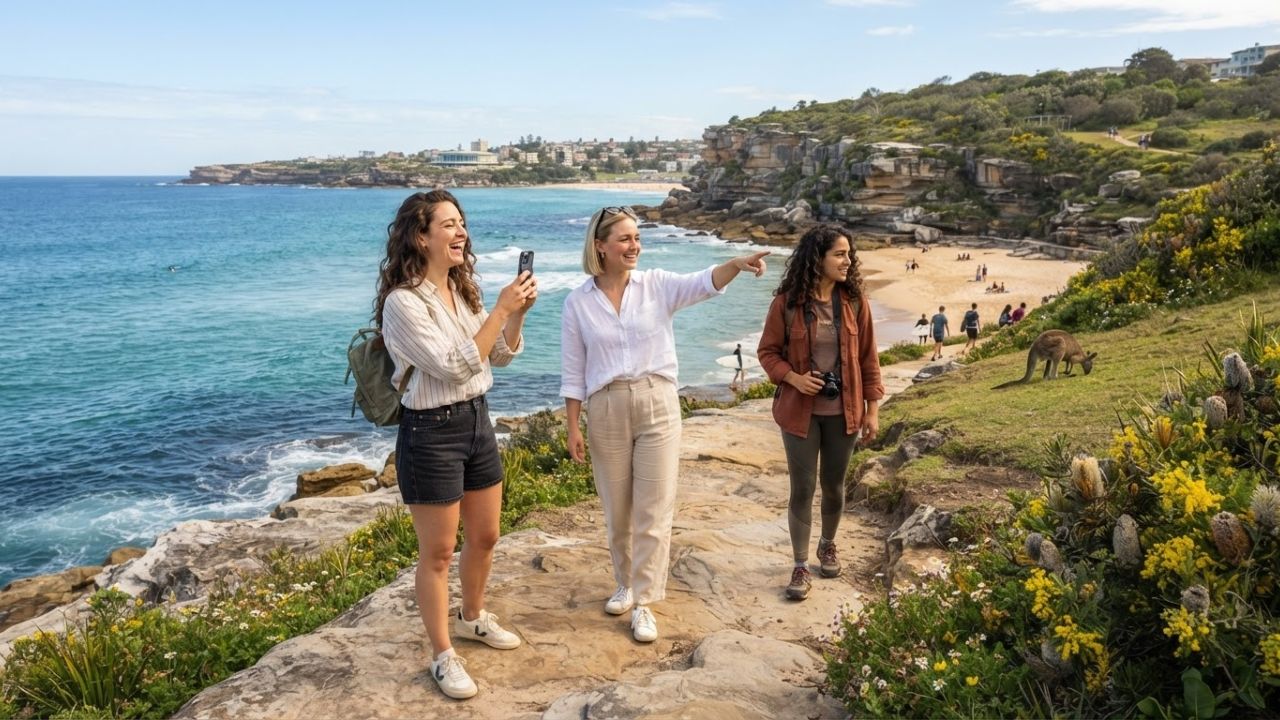
Spanning September through November, Australia’s spring shoulder season offers travelers an ideal climate window, bypassing peak summer scorch and holiday crowds across fifteen iconic regions from the Great Barrier Reef to Uluru. With Western Australia’s 12,000 wildflower species in peak bloom and marine visibility reaching prime clarity along Ningaloo and the Coral Sea, spring delivers an unparalleled cross-continental expedition.
Australia’s vast continental geography creates an exceptional travel dynamic between September and November. Identified by Tourism Australia as the premier shoulder season, the southern hemisphere spring delivers balanced, temperate weather that completely transforms outdoor exploration. During these months, travelers avoid the intense 40°C heatwaves and humid monsoon downpours that characterize northern summers, while enjoying warm sunshine and uncrowded beaches before the peak December–January holiday influx.
From the tropical waters of Queensland to the alpine wilderness of Tasmania and the ancient desert heart of the Northern Territory, spring activates native ecosystems. Marine life gathers along coral shelves, marsupials emerge with new joeys in coastal national parks, and botanical reserves burst into vibrant seasonal color, creating optimal conditions for first-time international visitors and returning nature enthusiasts alike.
| Australian Spring Travel Matrix | Spring Season Conditions (Sept–Nov) | Regional Highlights & Seasonal Advantage |
|---|---|---|
| New South Wales (Sydney & Byron Bay) | 18°C–24°C; clear sunny skies, mild coastal breezes | Whale migration along headlands; uncrowded surf breaks |
| Queensland (Reef & Whitsundays) | 22°C–28°C; calm tropical seas, low humidity | Optimal diving visibility; precedes marine stinger peak |
| Victoria & ACT (Melbourne & Canberra) | 14°C–21°C; flourishing botanical gardens, mild walking | Canberra's Floriade; world-class laneway café culture |
| Tasmania (Hobart & Wilderness) | 10°C–17°C; crisp alpine air, rushing waterfalls | Cradle Mountain hiking; active Tasmanian devils and wombats |
| Western Australia (Perth, Margaret River, Ningaloo) | 19°C–27°C; world-renowned wildflower blooms | 12,000 native flora species; humpback whales at Ningaloo |
| Northern Territory (Uluru & Kakadu) | 24°C–32°C; comfortable mornings before intense summer | Vibrant billabong birdlife; manageable Red Centre walking |
| South Australia (Adelaide & Kangaroo Island) | 16°C–23°C; lush vineyard foliage, pleasant countryside | Sea lion breeding colonies; boutique winery spring releases |
The Fifteen Premier Spring Destinations Across Australia
1. Sydney, New South Wales
Sydney shines in spring as pleasant temperatures return, making scenic walking tours effortless. Visitors can trek the celebrated Bondi to Coogee coastal walk without scorching summer sun, cruise Sydney Harbour beneath deep-blue skies, or take a day trip into the Blue Mountains to hike beneath eucalyptus canopies in the Jamison Valley.
2. Great Barrier Reef, Queensland
Between September and November, the Great Barrier Reef enjoys calm oceanic swells and exceptional underwater clarity averaging 20 to 30 meters. Operating before the summer wet season, travelers can snorkel and scuba dive across outer reef coral gardens teeming with green sea turtles, giant clams, and manta rays.
3. The Whitsundays, Queensland
Sailing the 74 tropical islands of the Whitsundays is at its absolute peak in spring. Gentle southeasterly trade winds create ideal conditions for bareboat charters and catamaran excursions to Whitehaven Beach, where pure silica sands meet turquoise lagoons at Hill Inlet.
4. Gold Coast, Queensland
The Gold Coast pairs world-class beach breaks at Snapper Rocks and Burleigh Heads with lush hinterland escapes. Spring offers ideal surf conditions alongside refreshing canopy walks through ancient Gondwana rainforests in Lamington National Park.
5. Melbourne, Victoria
Melbourne’s creative energy peaks during spring. The city's extensive parklands—including the Royal Botanic Gardens and Fitzroy Gardens—bloom with colorful flora, while outdoor dining along the Yarra River and historic cobblestone laneways like Degraves Street offers pleasant, mild afternoons.
6. Tasmania
For wilderness adventurers, spring in Tasmania delivers snow-capped dolerite peaks melting into roaring rivers and flowering temperate rainforests. Hiking the Overland Track in Cradle Mountain-Lake St Clair National Park or exploring the pink granite sea cliffs of Freycinet provides tranquil nature encounters.
7. Perth, Western Australia
Western Australia hosts the world’s largest collection of wildflowers, with over 12,000 species carpeted across coastal and inland soils. In Perth, Kings Park overlooks the Swan River with spectacular native botanical displays, while nearby Rottnest Island offers mild cycling weather to meet native quokkas.
8. Margaret River, Western Australia
Positioned three hours south of Perth, Margaret River unites premium vineyards with rugged Indian Ocean coastlines. In spring, grapevines flush with bright green budburst, providing a scenic backdrop for tasting renowned Chardonnays and Cabernet Sauvignons paired with seasonal coastal walks along the Cape to Cape Track.
9. Ningaloo Reef, Western Australia
A UNESCO World Heritage marine treasure, Ningaloo Reef allows travelers to step directly from white-sand beaches onto living coral formations. Spring provides a rare seasonal intersection: while whale shark migrations conclude, thousands of humpback whales transit coastal waters, offering ethical swim encounters alongside resident manta rays.
10. Uluru-Kata Tjuta, Northern Territory
Spring provides the most comfortable window for experiencing Australia’s spiritual red heart. Morning temperatures hovering around 18°C allow travelers to complete the full 10-kilometer base walk around Uluru and explore the soaring domed canyons of Kata Tjuta (The Olgas) before afternoon desert heat sets in.
11. Kakadu National Park, Northern Territory
Covering nearly 20,000 square kilometers, Kakadu represents a timeless sanctuary of ancient Bininj/Mungguy rock art and billabong wetlands. Spring marks the late dry season, concentrating vast flocks of magpie geese, brolgas, and saltwater crocodiles around Yellow Water Billabong.
12. Adelaide, South Australia
Known as Australia's premier culinary gateway, Adelaide offers access to world-famous wine districts. Spring day trips to the Barossa Valley, McLaren Vale, and Adelaide Hills reveal rolling green vineyards and fresh artisanal farm-gate produce, complemented by seasonal tastings at the historic Adelaide Central Market.
13. Kangaroo Island, South Australia
Emerging as a global conservation benchmark, Kangaroo Island offers remarkable wildlife density. In spring, Australian sea lion pups frolic on white sands at Seal Bay, echidnas forage through coastal scrub, and wild kangaroos graze beside the dramatic granite sculptures of Remarkable Rocks.
14. Canberra, Australian Capital Territory
Canberra comes alive in spring as the city hosts Floriade, the southern hemisphere's biggest flower festival, showcasing over one million planted spring bulbs. Travelers can pair flower displays with visits to the National Gallery of Australia, Australian War Memorial, and cycling routes encircling Lake Burley Griffin.
15. Byron Bay, New South Wales
Positioned at mainland Australia’s easternmost point, Byron Bay embodies a relaxed coastal lifestyle. Spring delivers sunny weather and low rainfall, ideal for walking up to Cape Byron Lighthouse to spot passing humpback whale pods or enjoying holistic wellness retreats and farm-to-table dining at the hinterland hamlets of Bangalow and Newrybar.
Cultural & Environmental Value: Indigenous Heritage and Marine Stewardship
For the conscious voyager, visiting Australia during the spring shoulder season provides deep immersion into living Indigenous traditions and leading ecological preservation models:
- Honoring Traditional Custodianship: When visiting Uluru-Kata Tjuta and Kakadu, travelers walk on lands managed in joint partnership with Indigenous traditional owners. The Anangu of the Red Centre and Bininj/Mungguy clans of Kakadu share ancient Tjukurpa (creation lore) through guided cultural tours, teaching travelers how seasonal natural markers—such as flowering wattle or shifting winds—dictate responsible movement across the land.
- Marine Protection and Citizen Science: Experiencing the Great Barrier Reef and Ningaloo Reef comes with an environmental responsibility. Tourism operators work under strict permits issued by the Great Barrier Reef Marine Park Authority (GBRMPA). Travelers participate in citizen science programs like "Eye on the Reef," logging coral health observations and wildlife sightings that directly assist marine park biologists.
- Supporting Regional Conservation Economies: By booking eco-certified operators in Tasmania and Kangaroo Island, visitor dollars fund local conservation efforts, non-profit wildlife rescue sanctuaries, and regenerative tree-planting initiatives that safeguard vulnerable species like the glossy black cockatoo and eastern quoll.
Destination Specialist Insider Tips for Spring Voyagers
Travelers planning an expedition across Australia between September and November can maximize their experience with these practical recommendations:
- The September vs. November Route Strategy: Calibrate your itinerary according to seasonal progression. Schedule visits to the Red Centre (Uluru), the Top End (Kakadu), and northern Queensland in September or October when temperatures remain comfortable and humidity is low. Reserve southern cities, Tasmania, and beach breaks in Sydney or Byron Bay for November, when ocean waters warm up and coastal temperatures rise pleasantly.
- Book Wildflower Windows in Advance: Western Australia's wildflower season moves southward as spring advances. Visit the Coral Coast and Perth in September, then travel south to Margaret River and Albany in October and November to witness rare native orchids and banksias in full bloom.
- Sun Protection and Outdoor Preparation: Australia’s southern spring ozone layer permits high UV radiation even on cool, breezy days. Follow local outdoor protocols: always apply SPF 50+ broad-spectrum sunscreen, wear a wide-brimmed hat and UV-blocking sunglasses, and carry at least two liters of water when hiking trails in national parks.
- Authentic Regional Gastronomy:
- Sydney & Coastlines: Savor freshly shucked Sydney rock oysters drizzled with finger lime pearls, paired with a glass of crisp Hunter Valley Semillon.
- Tasmania: Sample pan-seared wild abalone, local leatherwood honey, and artisanal washed-rind cheeses from the Huon Valley.
- South Australia: Feast on Spencer Gulf king prawns and slow-roasted saltbush lamb at Adelaide Central Market eateries.
- Respecting Native Wildlife Boundaries: Never feed wild kangaroos, wallabies, dingoes, or birds. Human food causes severe digestive illness in native marsupials. In marine sanctuaries, keep a mandatory 3-meter distance from sea turtles and avoid touching delicate coral reef structures.
Tourism Outlook: Expanding Australia's Year-Round Appeal
The growing international appreciation for Australia’s spring travel season represents a positive evolution for national tourism. By demonstrating that the continent’s most iconic attractions—from ancient rock art galleries to vibrant coral shelves—are best explored outside the crowded, sweltering summer peak, travelers help distribute economic benefits evenly throughout the year.
For travelers seeking a transformative encounter with nature, indigenous heritage, and open-air coastal living, spring between September and November reveals Australia at its most balanced, vibrant, and unforgettable.
Related Travel Guides
Disclaimer
This article is for informational and educational purposes only. It does not constitute legal, financial, or professional advice. While we strive to provide accurate and up-to-date information, travel policies, regulations, and conditions change rapidly. Always verify information with official sources before making travel decisions. Nomad Lawyer makes no representations about the accuracy, reliability, completeness, or suitability of the information provided. Readers should consult qualified professionals for advice specific to their circumstances. The views expressed in this article are those of the author and do not necessarily reflect the views of Nomad Lawyer.
Raushan Kumar
Founder & Lead Developer
Full-stack developer with 11+ years of experience and a passionate traveller. Raushan built Nomad Lawyer from the ground up with a vision to create the best travel and law experience on the web.
Learn more about our team →