
Australia Raises Travel Warnings for Jordan Oman and Saudi Arabia to Level 3 Amid Middle East Security Risks in 2026
Australian authorities have upgraded travel advisories for Jordan, Oman, and Saudi Arabia to Level 3, urging citizens to reconsider non-essential travel as regional volatility increases.

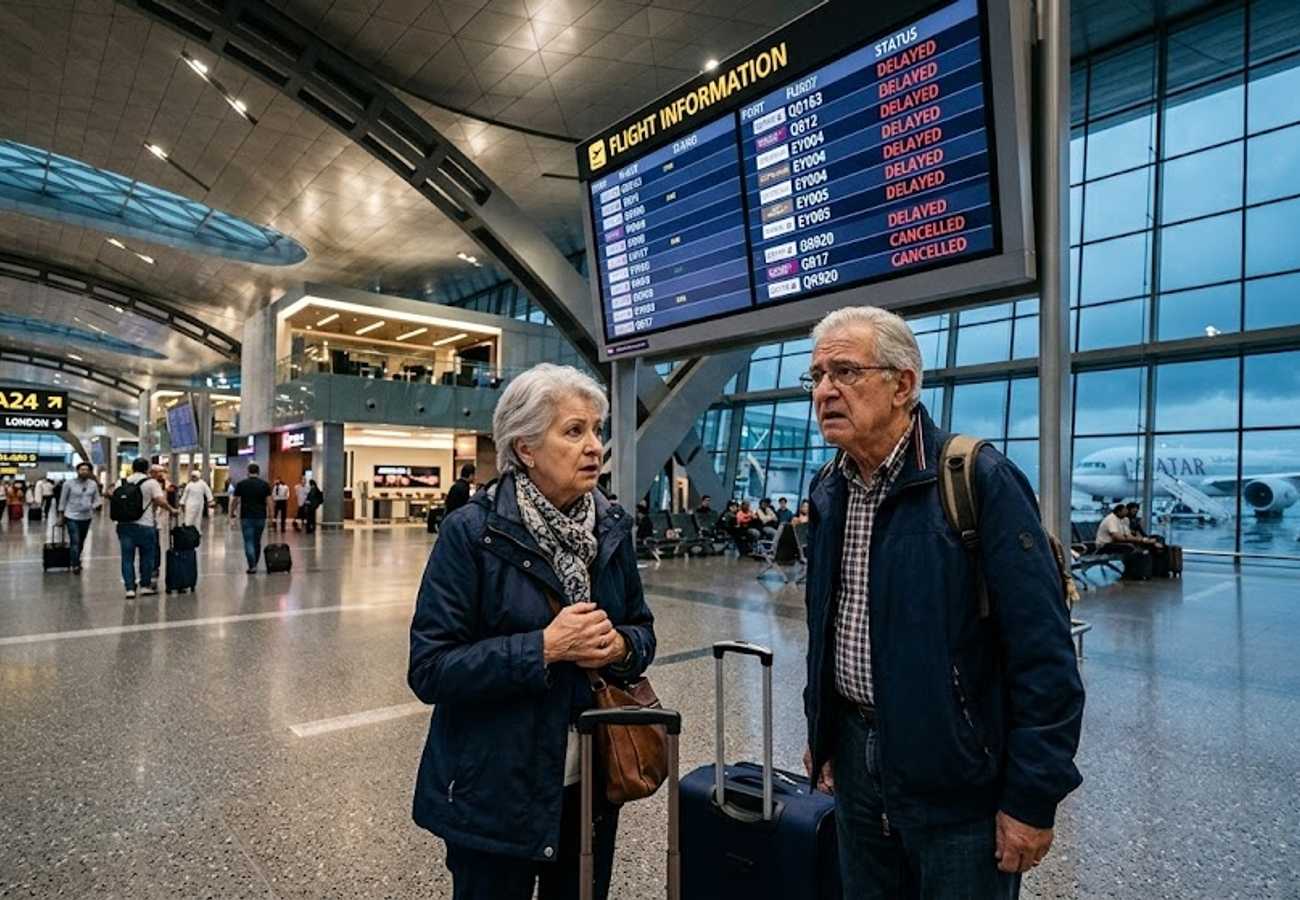
Image generated by AI
Australian authorities are urging citizens to rethink non-essential travel to Jordan, Oman, and Saudi Arabia as regional security conditions enter a volatile phase in 2026.
The Local Trend Revealed: Shift to Level 3 Caution
The Australian government has officially upgraded its travel guidance for Jordan, Oman, and Saudi Arabia to Level 3 – Reconsider Your Need to Travel. This shift marks a transition from general caution to a significant warning, reflecting an unpredictable security environment where conditions can deteriorate without notice.
While these destinations are not under a total travel ban, the upgrade is a response to intensifying war-time security risks across the Middle East. This trend indicates that regional instability is no longer confined to active conflict zones but is now impacting stable hubs and transit points. For travelers, this means a higher likelihood of sudden flight cancellations, tightened border operations, and unpredictable changes to local transport.
Regional Security Framework and Impact
The move places these three nations alongside other Gulf states already under Level 3 warnings, including Bahrain, Kuwait, Qatar, and the United Arab Emirates. The distinction remains sharp between these "Reconsider" zones and the "Do Not Travel" zones.
The following table outlines the current Australian government risk tiers for the region in 2026:
| Advisory Level | Status | Affected Countries |
|---|---|---|
| Level 4 | Do Not Travel | Iran, Iraq, Lebanon, Palestinian Territories, Syria, Yemen |
| Level 3 | Reconsider Your Need to Travel | Jordan, Oman, Saudi Arabia, Bahrain, Israel, Kuwait, Qatar, UAE |
This tiered system is designed to help travelers prioritize personal safety and reduce unnecessary exposure to risk. The primary concern for those visiting Level 3 zones is the potential for rapid escalation, which could hinder evacuation efforts or disrupt commercial aviation.
Cultural & Environmental Value (Information Gain)
When navigating these regions during periods of tension, supporting local economies directly is more vital than ever. Sustainable travel in the Middle East currently emphasizes "slow tourism"—spending more time in a single location rather than rushing through multi-country itineraries. This approach reduces the carbon footprint of frequent short-haul flights and provides steady income to local artisans and guides who may be seeing a drop in traditional tour group numbers.
Travelers are encouraged to engage with official regional conservation bodies and heritage associations to ensure their visits support the preservation of ancient sites, such as Petra in Jordan or the historic forts of Oman, which remain critical pillars of regional identity and cultural pride.
Visitor Insider Tips
For those who must travel to Jordan, Oman, or Saudi Arabia under the current advisory, specific operational strategies are recommended:
- Insurance Audit: Immediately contact your provider. Many travel insurance policies contain clauses that limit or void coverage if you travel to a destination after a government issues a Level 3 or Level 4 warning.
- Transit Optimization: If these countries are merely stopovers, keep your stay as short as possible. Avoid overnight stays in transit hubs if a direct connection is available.
- Digital Documentation: Keep encrypted digital copies of your passport and visas in a cloud-based folder accessible offline.
- Local Etiquette: In times of regional tension, avoid discussing political affiliations or current events in public spaces. Respect local customs and follow the directions of security personnel without hesitation.
- Off-Peak Windows: If traveling for essential business, schedule movements during mid-week windows to avoid the congestion and heightened security checks typical of weekend travel peaks.
Tourism Outlook
The long-term impact of these warnings suggests a move toward "high-security tourism," where travel to the Middle East will require more rigorous planning and flexibility. The reliance on real-time data from services like Smartraveller will become the standard for any international itinerary in the region.
While the immediate outlook is cautious, the ability of these nations to maintain open borders and operational airports despite the Level 3 status indicates a resilience in their tourism infrastructure. However, the transition from a "holiday" mindset to a "risk-management" mindset is now essential for anyone visiting the Gulf or Levant.
Stay vigilant, keep your itineraries flexible, and always prioritize official government updates over social media reports.
Related Travel Guides
Disclaimer
This article is for informational and educational purposes only. It does not constitute legal, financial, or professional advice. While we strive to provide accurate and up-to-date information, travel policies, regulations, and conditions change rapidly. Always verify information with official sources before making travel decisions. Nomad Lawyer makes no representations about the accuracy, reliability, completeness, or suitability of the information provided. Readers should consult qualified professionals for advice specific to their circumstances. The views expressed in this article are those of the author and do not necessarily reflect the views of Nomad Lawyer.
Raushan Kumar
Founder & Lead Developer
Full-stack developer with 11+ years of experience and a passionate traveller. Raushan built Nomad Lawyer from the ground up with a vision to create the best travel and law experience on the web.
Learn more about our team →