
Australia Issues Level 3 Travel Warning for Jordan, Oman and Saudi Arabia Amid Middle East Security Risks 2026
The Australian Government has raised travel advice to Level 3 for Jordan, Oman, and Saudi Arabia, urging travelers to reconsider non-essential journeys due to regional security concerns and aviation disruptions.

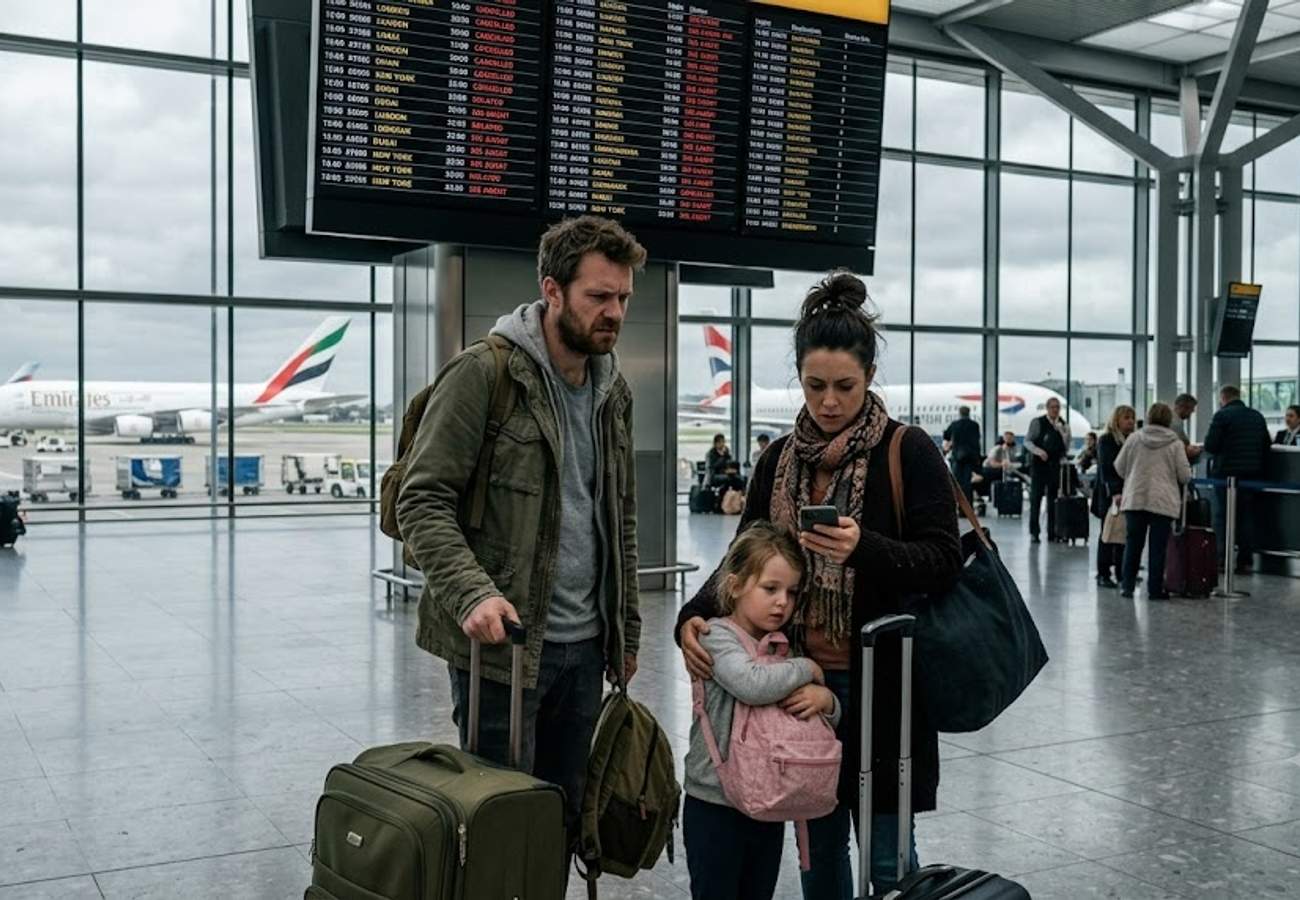
Image generated by AI
The Australian Government has updated its official travel guidance for Jordan, Oman, and Saudi Arabia, elevating the alert level to Level 3. This move signals a significant shift in the risk assessment for the region, urging citizens to reconsider all non-essential travel.
The Department of Foreign Affairs and Trade (DFAT) issued the warning based on a volatile regional security environment. The advisory emphasizes that military activity, airspace uncertainty, and sudden transport disruptions pose an increasing threat to international visitors.
While these nations are actively expanding their tourism sectors and global connectivity, the current geopolitical climate has introduced critical variables for travelers, airlines, and transit hubs.
Regional Security Risks and Operational Impacts
The Smartraveller service now classifies Jordan, Oman, and Saudi Arabia as Level 3 destinations. This designation means the government advises travelers to "reconsider their need to travel."
Industry observers note that the risks are not limited to localized unrest but include broader regional threats such as:
- Missile activity and drone incidents.
- Unpredictable military responses.
- Sudden airspace restrictions.
- Widespread disruptions to transport networks.
For those utilizing Middle Eastern airports as gateways between Europe, Asia, Africa, and Australia, these developments increase the probability of unexpected flight cancellations, airport closures, and significantly extended journey times.
Destination-Specific Risk Assessments
Jordan: Cultural Hubs and Aviation Risks
Despite the enduring appeal of Petra, Wadi Rum, and Amman, the DFAT warns that military-related activity could impact these areas without warning. Travelers are specifically directed to avoid:
- Military installations.
- Government buildings.
- Strategic infrastructure.
Because Jordan serves as a critical aviation node, airspace restrictions may lead to sudden rerouting or operational changes for connecting passengers.
Oman: Strategic Vulnerabilities
Oman has historically been viewed as a stable alternative in the Gulf. However, its strategic location near key waterways and conflict zones has triggered this updated caution. Visitors to Muscat and the Wahiba Sands are advised to remain vigilant and follow local authority instructions strictly during security incidents.
Saudi Arabia: Rapid Growth vs. Regional Tension
The rapid expansion of tourism in Riyadh, Jeddah, and AlUla is now countered by heightened security warnings. DFAT highlights two primary concerns:
- Kinetic Threats: Potential missile and drone strikes targeting energy infrastructure and military facilities.
- Terrorism: Ongoing risks in areas frequented by foreign visitors and large public gatherings.
Aviation and Logistics Breakdown
The Middle East aviation network is under mounting pressure. Because these three nations operate major global transit hubs, a security event in one can trigger a domino effect across international flight schedules.
| Risk Factor | Immediate Impact | Long-term Concern |
|---|---|---|
| Airspace Closure | Flight rerouting and delays | Increased fuel costs and ticket prices |
| Security Alerts | Heightened screening and movement restrictions | Reduced tourist arrival numbers |
| Military Activity | Sudden airport closures | Diversion of international flight paths |
| Insurance | Policy invalidation for "unforeseen" events | Higher premiums for Middle East coverage |
Why This Matters: Industry Implications
This escalation to Level 3 is a critical indicator for the travel industry. When a major economy like Australia adjusts its risk rating, it often triggers a chain reaction in the private sector.
Our analysis suggests three immediate impacts:
- Insurance Volatility: Many travel insurance policies contain clauses that void coverage if a traveler ignores a government "reconsider" or "do not travel" warning. This places the financial risk of cancellations entirely on the passenger.
- Hub Fragility: The reliance on Saudi and Jordanian airports for intercontinental transit creates a single point of failure. A sudden airspace closure forces long-haul flights to divert, straining aircraft availability and crew hours.
- Tourism Investment Friction: While Saudi Arabia and Oman are investing billions into "Giga-projects" and luxury tourism, these government warnings create a psychological barrier for high-net-worth travelers and corporate visitors.
Forward Outlook
Expect continued volatility in flight scheduling across the Gulf. Travelers should prioritize flexible booking options and verify that their travel insurance explicitly covers disruptions linked to government security warnings.
Market trends suggest that until regional military activity stabilizes, the "hub and spoke" model of Middle Eastern aviation will remain vulnerable to sudden, unpredictable shocks.
Travelers are urged to maintain active monitoring of official DFAT channels and local government directives.
Related Travel Guides
Disclaimer
This article is for informational and educational purposes only. It does not constitute legal, financial, or professional advice. While we strive to provide accurate and up-to-date information, travel policies, regulations, and conditions change rapidly. Always verify information with official sources before making travel decisions. Nomad Lawyer makes no representations about the accuracy, reliability, completeness, or suitability of the information provided. Readers should consult qualified professionals for advice specific to their circumstances. The views expressed in this article are those of the author and do not necessarily reflect the views of Nomad Lawyer.
Kunal K Choudhary
Co-Founder & Contributor
A passionate traveller and tech enthusiast. Kunal contributes to the vision and growth of Nomad Lawyer, bringing fresh perspectives and driving the community forward.
Learn more about our team →