
Australia Air Travel Competition Takes Centre Stage: ACCC Briefs Industry on 2027 Airfares

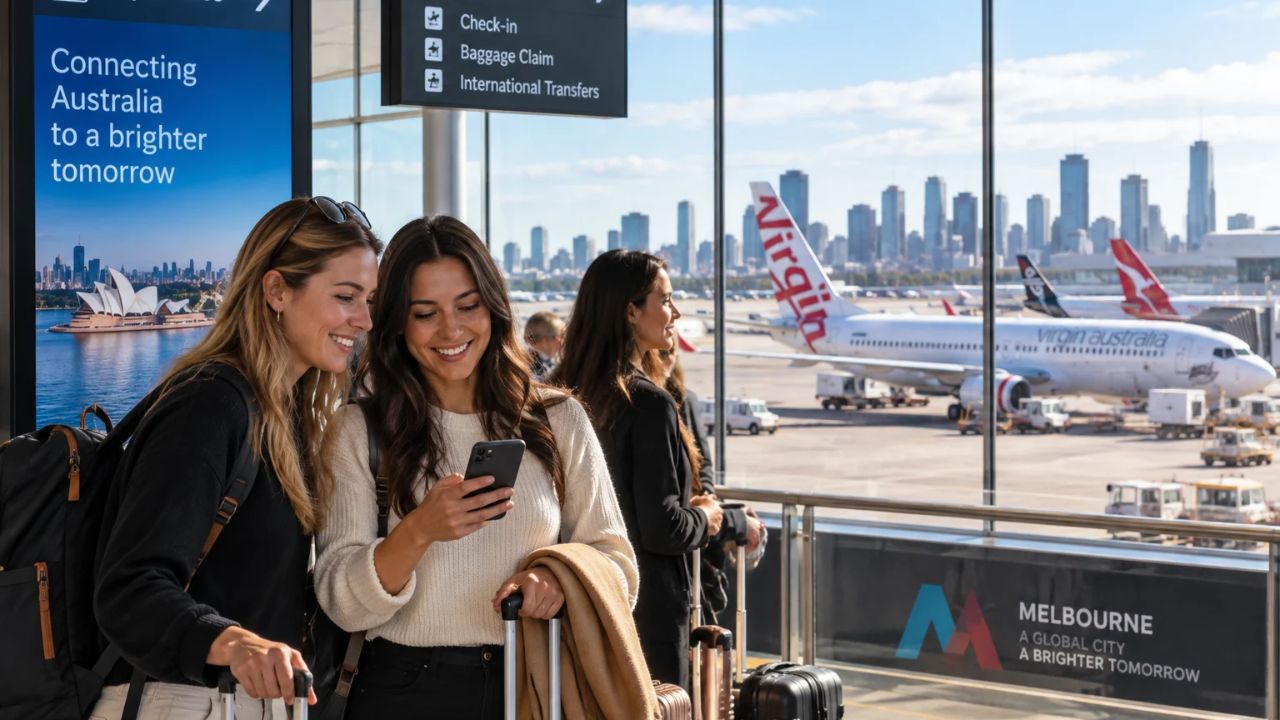
With domestic airfares and carrier capacity under intense regulatory scrutiny, the Australian Competition and Consumer Commission (ACCC) will deliver a comprehensive aviation market briefing to travel industry leaders on Friday, 9 October 2026, at the Melbourne Convention and Exhibition Centre. Staged during the Australian Travel Industry Association’s (ATIA) Beyond Borders summit, the high-level session will address domestic route competition, airline pricing behavior, and the phasing out of customer payment surcharges ahead of 2027.
The timing of the ACCC briefing reflects mounting industry and consumer focus on how airline capacity directly shapes ticket affordability, itinerary reliability, and retail travel distribution across Australia. By connecting regulatory policymakers directly with travel advisors, hotel operators, and corporate travel managers, the summit sets the agenda for trans-Tasman, domestic, and long-haul travel economics entering 2027.
The Local Trend Revealed: ACCC Scrutiny Centers on Australian Airline Capacity
Aviation connectivity across Australia is governed by a heavily concentrated duopoly structure, where seat capacity decisions by major carriers directly dictate airfare spikes on high-volume routes connecting Sydney, Melbourne, and Brisbane, as well as regional mining and tourism corridors.
At the Beyond Borders 2026 summit, the ACCC will provide frontline travel professionals and executive buyers with an unvarnished examination of airline competitive conduct. The briefing will focus on whether current seat capacity aligns with genuine consumer demand, how slot management impacts new market entrants, and what pricing trends indicate for both corporate travel budgets and leisure holidaymakers.
According to ATIA, understanding regulatory perspectives on aviation is fundamental for travel professionals, as airline seat availability and fare fluctuations dictate the viability of dynamic package holidays, corporate accounts, and regional tour operations.
ATIA Beyond Borders 2026 Aviation Summit Overview
| Event Benchmark | Operational Details | Strategic Industry Significance |
|---|---|---|
| Convening Date | Friday, 9 October 2026 | Scheduled on the eve of the National Travel Industry Awards (NTIA) |
| Host Venue | Melbourne Convention and Exhibition Centre (MCEC) | Victoria’s premier riverfront conference facility at South Wharf |
| Lead Regulators | ACCC Executive Leadership | Direct oversight on airport operations, capacity, and competition exemptions |
| Major Event Sponsor | Helloworld Travel | Providing broad retail network representation across Australian travel agencies |
| Airlines Partner | Virgin Australia | Hosting the Virgin Australia Lounge networking pavilion for summit delegates |
| Evening Celebration | Viking NTIA Finalist Celebration | Staged at Cargo Hall, South Wharf, celebrating excellence across retail travel |
Regulatory Leadership: Executive Briefing Lineup at Beyond Borders 2026
The dedicated aviation session features the ACCC’s primary regulatory decision-makers responsible for monitoring commercial aviation and airport infrastructure:
- David Cranston: ACCC Executive Director of Airports and Aviation, presenting analytical data on passenger throughput, airline market share, and airport monitoring benchmarks.
- Anthony Hilton: Director of the ACCC Competition Exemptions Branch, detailing how airline alliances, codeshare partnerships, and joint ventures impact competitive pricing in Australian airspace.
- Dean Long: ATIA Chief Executive Officer, leading an interactive fireside discussion interrogating regulatory approaches to airline customer refund obligations, flight cancellations, and domestic fare stability.
This multi-tiered panel bridges the gap between federal regulatory enforcement and everyday retail travel booking operations, giving travel agents clear guidance on what regulatory shifts will shape 2027 airline agreements.
Key Policy Sessions on the Beyond Borders 2026 Agenda
| Session Title | Core Topic & Operational Focus | Practical Value for Travel Planners |
|---|---|---|
| ACCC Aviation Briefing | Airline capacity, domestic pricing models, and competitive conduct | Clearer projections of domestic seat availability and fare movements |
| The Industry Outlook for 2027 | Macroeconomic trends, aviation fleet arrivals, and customer demand | Strategic guidance for structuring multi-year tour and travel contracts |
| What’s Next in Canberra | Federal aviation green papers, passenger charters, and transport policy | Understanding forthcoming legislative protections for ticketed travelers |
| No Surcharge. No Awkwardness. No Lost Sale | Adapting commercial payment systems amid the end of card surcharges | Frictionless customer payment adoption without eroding agency margins |
| Where the Value Is in Accommodation | Hotel pricing models, dynamic room yields, and regional inventory | Aligning flight itineraries with competitive accommodation blocks |
| Turning Complaints into Better Business | Dispute resolution protocols for flight disruptions and missed connections | Transforming operational disruption into long-term customer loyalty |
Airfares, Capacity, and Surcharging: Core Economic Issues Facing Travelers
Two economic developments dominate the 2026 Australian travel agenda: the normalization of domestic airfares following years of post-pandemic volatility, and commercial reforms governing payment processing fees.
Airline Seat Capacity and Price Normalization
While international airline capacity into Australia has gradually recovered, domestic capacity on key trunk routes has faced periodic constraints due to fleet delivery delays, engine maintenance cycles, and pilot training bottlenecks. When carriers reduce scheduled flights, average ticket yields rise sharply, affecting regional destinations that depend on affordable domestic feeder flights.
The ACCC’s briefing will outline how monitoring airline behavior deters capacity withholding and ensures competitive ticket pricing across both economy and business cabins.
Eliminating Payment Surcharges
The summit will address the structural transition away from credit card transaction surcharging. As payment infrastructure modernizes, consumer resistance to added percentage-based card fees has intensified.
The session "No Surcharge. No Awkwardness. No Lost Sale" will explore how travel businesses can integrate zero-surcharge digital payment options—such as direct account-to-account transfers and low-cost clearing rails—eliminating point-of-sale friction while safeguarding booking conversion rates.
Cultural & Environmental Value: Regional Connectivity and Consumer Rights
Aviation in Australia is not a discretionary luxury; it is basic social infrastructure. Spanning roughly 7.7 million square kilometers, the nation relies on domestic air links to sustain regional communities, indigenous tourism hubs, and remote outback centers.
Preserving Regional Route Vitality
When airline competition falters, regional airfares to destinations like Broome, Alice Springs, Cairns, and Lord Howe Island can surge to prohibitive levels.
Regulatory scrutiny from the ACCC protects regional tourism economies by investigating anti-competitive pricing practices that threaten secondary carriers or inflate travel costs for remote communities.
Stronger Consumer Protections
Regulatory discussions at Beyond Borders 2026 align with broader efforts by the federal government in Canberra to establish formalized customer compensation charters. Ensuring travelers receive prompt refunds or standardized rebooking arrangements during carrier-caused cancellations elevates trust across the entire travel ecosystem.
Visitor Insider Tips: Navigating the Golden Triangle, Payment Reforms, and Melbourne Transit
For travelers, delegates, and international visitors planning Australian itineraries, insider knowledge provides significant savings and transit ease:
- Booking the Golden Triangle (Sydney–Melbourne–Brisbane): Flights along Australia’s busiest air corridor operate like high-frequency commuter shuttles. To secure the lowest fares, target mid-day departure banks (10:00 AM to 2:00 PM) on Tuesdays and Wednesdays, avoiding the expensive morning (06:30–08:30) and evening (16:30–18:30) corporate travel peaks.
- Secondary Airport Alternatives: When flying into Melbourne, check flights into Avalon Airport (AVV) in addition to Melbourne Tullamarine (MEL). Avalon often offers lower airfares on low-cost carriers and provides direct highway access to the Great Ocean Road.
- Zero-Surcharge Payment Savvy: With the phase-out of credit card surcharges underway, look for travel operators and accommodation providers that accept direct digital clearing or debit cards without applying a 1.5% to 2.5% merchant fee.
- Navigating Melbourne’s South Wharf Precinct:
- Free Tram Transit: The Melbourne Convention and Exhibition Centre sits adjacent to Melbourne’s Free Tram Zone. Board Tram Route 12, 96, or 109 along Spencer Street and disembark at Casino/MCEC without paying a Myki transit fare.
- South Wharf Dining & Coffee: Explore the historic wooden wharves along the Yarra River. Enjoy a morning flat white coffee at South Wharf cafes, sample wood-fired sourdough pizza along the river promenade, and visit Cargo Hall for riverside evening views of the Melbourne skyline.
- Pre-Flight Timing at Tullamarine: Melbourne Airport (MEL) lacks a direct rail link; the express SkyBus connects Southern Cross Station to terminal curbsides every 10 to 15 minutes. Allow at least 45 to 60 minutes for road transit during weekday afternoon peaks.
Tourism Outlook: Reshaping the Trans-Tasman and Domestic Travel Market for 2027
The ACCC’s briefing at Beyond Borders 2026 marks a pivotal moment for Australian aviation policy. By establishing transparent benchmarks for airline capacity, fare structures, and competitive market behavior, regulators and travel trade leaders are building a more stable operating framework for 2027.
As airlines introduce new-generation narrowbody aircraft and modernize trans-Tasman networks, competitive oversight ensures that the benefits of expanded seat capacity flow directly to travelers through accessible fares, reliable schedules, and consumer-focused service standards.
Related Travel Guides
Boeing Scraps Early 777X Airframe WH007: Certification Delays Push Deliveries to 2027
California Launches Largest Australia Tourism Mission in Eight Years: $1.35 Billion Market Surge
10 Best Domestic Flight Booking Hacks and Regional Air Routes in Australia for 2027
Disclaimer
This article is for informational and educational purposes only. It does not constitute legal, financial, or professional advice. While we strive to provide accurate and up-to-date information, travel policies, regulations, and conditions change rapidly. Always verify information with official sources before making travel decisions. Nomad Lawyer makes no representations about the accuracy, reliability, completeness, or suitability of the information provided. Readers should consult qualified professionals for advice specific to their circumstances. The views expressed in this article are those of the author and do not necessarily reflect the views of Nomad Lawyer.
Raushan Kumar
Founder & Lead Developer
Full-stack developer with 11+ years of experience and a passionate traveller. Raushan built Nomad Lawyer from the ground up with a vision to create the best travel and law experience on the web.
Learn more about our team →