
Southwest Airlines Unveils First Airport Lounge Network: Austin, Nashville, Honolulu, and BWI Lead 2027 Rollout

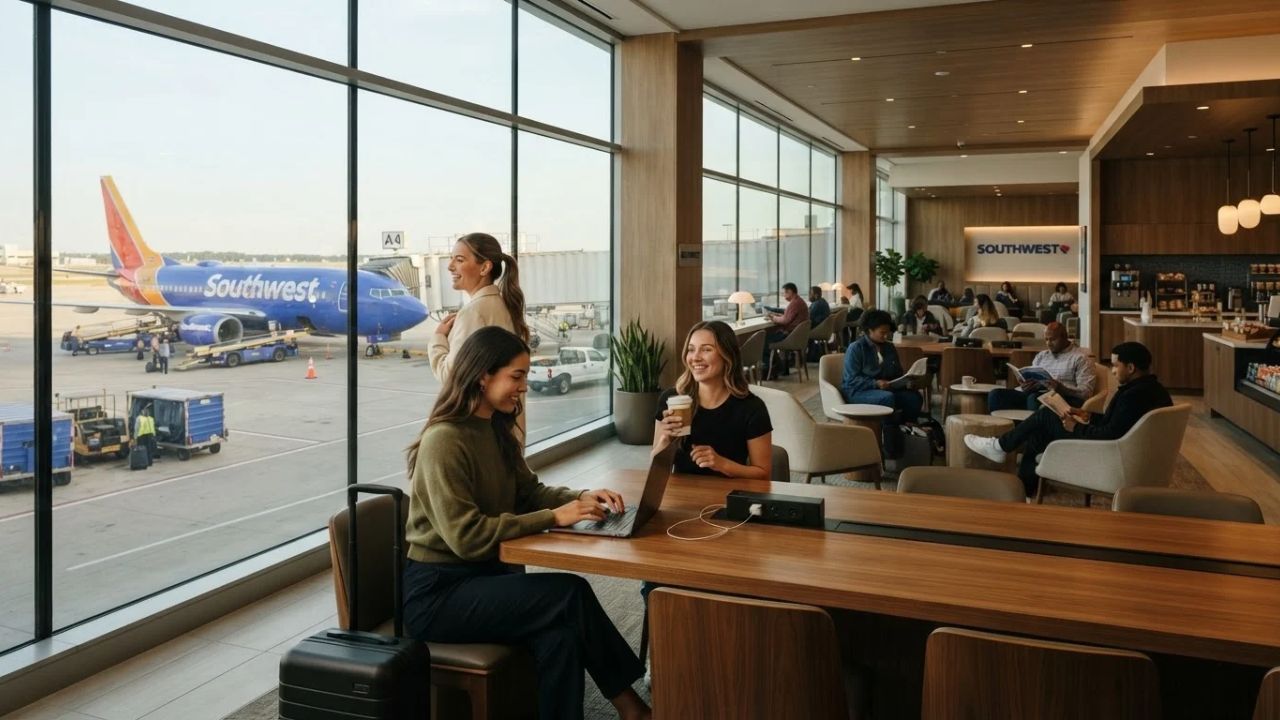
In an unprecedented shift from pure no-frills budget flying to premium airport hospitality, Southwest Airlines has announced its first-ever airport lounge network, scheduled to debut in late 2027 across Austin, Baltimore/Washington (BWI), Honolulu, and Nashville in partnership with Chase. The multi-city rollout, backed by plans for at least seven additional airport lounges in subsequent years, signals a decisive industry realignment as value carriers challenge legacy airlines for high-yield business and frequent flyers.
The development marks a historic turning point in American commercial aviation. For more than half a century, the low-cost carrier playbook relied on basic ground amenities, rapid aircraft turnarounds, and single-class cabins. Today, changing passenger demands, intensified competition for corporate accounts, and the lucrative economics of co-branded credit card partnerships are driving budget operators to reimagine the airport journey from terminal entrance to boarding gate.
The Local Trend Revealed: Budget Carriers Step Into Premium Airport Hospitality
Southwest Airlines, historically celebrated for its open-seating tradition and simplified low-fare philosophy, is transforming its passenger touchpoints.
According to official details released on September 13, 2026, at 19:04 GMT+5:30, the carrier’s brand-new lounge network will be developed in strategic partnership with Chase. Drawing design inspiration and hospitality standards from the acclaimed Chase Sapphire Reserve Lounge Network, these spaces will offer travelers locally inspired dining, premium craft beverages, dedicated quiet work suites, and high-speed charging infrastructure.
The initial rollout will target four strategically vital airports starting in late 2027:
- Austin-Bergstrom International Airport (AUS): Serving Texas’ booming technology and venture capital hub, where corporate travelers demand dedicated workspaces and premium departure amenities.
- Baltimore/Washington International Thurgood Marshall Airport (BWI): A cornerstone mid-Atlantic operating fortress for Southwest, catering to heavy volumes of federal government personnel, defense contractors, and regional business travelers.
- Daniel K. Inouye International Airport in Honolulu (HNL): A premier leisure and transpacific gateway where travelers often experience long waits before overnight flights returning to the US mainland.
- Nashville International Airport (BNA): One of America’s fastest-growing convention and music tourism capitals, where passenger traffic has expanded dramatically following major airport concourse renovations.
Beyond the initial quartet of gateway clubs, Southwest confirmed plans to inaugurate at least seven additional lounges over subsequent years, demonstrating that the program represents a permanent strategic pivot rather than a short-term marketing trial.
Comparative Analysis of Value Carrier Lounge and Premium Strategies
| Carrier | Premium Hospitality Concept | Flagship Locations | Target Audience & Access Criteria | Core Strategic Objective |
|---|---|---|---|---|
| Southwest Airlines | Dedicated Southwest Airport Lounges (with Chase) | Austin (AUS), Baltimore/Washington (BWI), Honolulu (HNL), Nashville (BNA) (Debuting Late 2027) | Rapid Rewards elite members, co-branded Chase cardholders, and premium fare buyers | Expands ancillary earnings and defends high-yield corporate travelers; at least 7 more lounges planned |
| JetBlue Airways | BlueHouse Lounge Concept | New York John F. Kennedy (JFK) and Boston Logan (BOS) | Mint transcontinental flyers, TrueBlue Mosaic loyalty tiers, and premium cardholders | Pillars of the JetForward strategy; fueled measurable growth in premium revenue during 2026 |
| easyJet (Europe) | easyJet Plus & FLEXI Business Products | European trunk airports (London Gatwick, Paris CDG, Milan Malpensa, Amsterdam) | European business travelers and frequent weekend city-breakers | Tiered flexibility offering fast-track security, dedicated bag drop, and priority boarding |
The Broader Movement: JetBlue’s BlueHouse and easyJet’s Hybrid Strategy
Southwest's lounge initiative is part of an international transformation reshaping budget aviation. As travelers increasingly evaluate total journey convenience rather than merely base ticket prices, value-oriented carriers are building hybrid business models that cater to distinct passenger segments.
JetBlue Airways has established itself as an early pioneer in this space with its BlueHouse lounge rollout. Having opened its flagship BlueHouse at New York’s John F. Kennedy International Airport (JFK) and expanding to Boston Logan International Airport (BOS), JetBlue directly integrated premium ground hospitality into its overarching JetForward corporate plan. The lounges serve premium Mint business class passengers and high-tier TrueBlue Mosaic members with locally curated menus, artisanal coffee bars, and private calling booths. Throughout 2026, JetBlue reported solid increases in premium revenue and loyalty engagement, validating the commercial appeal of airport hospitality for non-legacy airlines.
Across the Atlantic, European low-cost giant easyJet has embraced a parallel philosophy tailored to Europe’s dense short-haul corridors. While easyJet has focused on proprietary subscription models like easyJet Plus and flexible commercial FLEXI fares rather than constructing dedicated airline lounges, the fundamental economic driver remains identical: capturing high-margin corporate budgets without forfeiting the cost-efficient fundamentals that made the airline successful.
For airlines operating in an environment of tight seat-mile profit margins, airport lounges provide substantial commercial benefits. Lounges unlock lucrative multi-year credit card agreements with financial institutions like Chase, generate premium membership fees, and boost customer retention among high-frequency flyers who would otherwise book legacy competitors like Delta, United, or American.
Cultural & Environmental Value: Hyper-Local Menus and Sustainable Design
The new wave of value-carrier lounges offers an opportunity to celebrate regional identity while implementing sustainable ground operations.
Authentic Regional Flavors Over Standardized Catering
Rather than providing generic packaged snacks, Southwest and Chase plan to infuse each lounge with distinct culinary traditions reflecting its home city:
- Austin (AUS): Menus featuring smoked Texas brisket sliders, locally roasted third-wave coffees, breakfast tacos made with fresh stone-ground tortillas, and craft beers from central Texas microbreweries.
- Nashville (BNA): Warm skillet cornbread, Tennessee hot chicken sliders, artisanal buttermilk biscuits, and acoustic decor honoring the state's deep country, bluegrass, and blues music heritage.
- Honolulu (HNL): Sustainable island cuisine highlighting fresh poke bowls, locally grown taro rolls, seasonal tropical fruits from Oahu and Maui family farms, and rich Kona coffee blends.
- Baltimore/Washington (BWI): Mid-Atlantic seafood bites including mini Maryland crab cakes, regional chowders, and craft ciders sourced from nearby regional orchards.
Environmental Stewardship in Terminal Spaces
Modern airport lounges also serve as proving grounds for waste reduction and energy efficiency. Southwest’s planned lounges are designed to eliminate single-use plastic cups and disposable utensils, substituting them with washable glassware and ceramic tableware.
In partnership with local municipal composting programs in Austin and Honolulu, organic food scraps will be diverted from local landfills. Energy-efficient smart architectural lighting, low-flow plumbing fixtures, and locally sourced recycled building materials will further reduce the environmental footprint of each lounge facility.
Visitor Insider Tips: Maximizing Access, Navigating Terminals, and Cultural Etiquette
For passengers planning to experience Southwest’s upcoming lounge spaces or navigating these major transit gateways, these insider strategies ensure a seamless airport visit:
- Navigating the Launch Terminals:
- Austin (AUS): Southwest operates primarily from the Barbara Jordan Terminal. Security lines can build rapidly on Monday mornings and Thursday afternoons due to tech industry commuters; travelers should plan to clear TSA at least 90 minutes before domestic boarding.
- Nashville (BNA): Take advantage of BNA’s newly expanded Grand Lobby and Concourse D. Southwest flights use Concourses C and D, where the new lounge will provide a quiet respite from the active live-music stages in the central terminal atrium.
- Honolulu (HNL): Southwest operations are centered in Terminal 2. If departing on a long transpacific flight back to the mainland, use the airport’s open-air garden corridors between Concourses E and G for fresh trade-wind air before settling into the lounge.
- Access Protocols and Cardholder Strategy: To gain entry once locations open in late 2027, ensure your Rapid Rewards account is connected to an eligible premium Chase co-branded credit card. Priority will also be extended to Southwest's top-tier A-List Preferred frequent flyers and passengers purchasing upgraded fare bundles.
- Regional Travel Etiquette and Local Considerations:
- Honolulu Cultural Respect: When traveling through Hawaii, embrace the concept of mālama (respecting and caring for the islands). Remember that state agricultural inspection checkpoints are mandatory at HNL for all baggage before departing for the US mainland; avoid attempting to pack fresh fruit, soil, or uncertified flora in carry-on luggage.
- Lounge Courtesy: When utilizing shared productivity spaces and phone booths in the lounge, use headphones for all digital devices and keep voice calls discreet to preserve a restful atmosphere for neighboring travelers.
- Tipping Customs: In US airline lounges where complimentary specialty cocktails or barista coffees are handcrafted, standard travel etiquette encourages tipping lounge bartenders and service attendants $1 to $2 per beverage.
Tourism Outlook: Redefining Value and Competition in American Air Travel
The expansion of Southwest Airlines into the airport lounge sector signals a permanent evolution in domestic aviation. The rigid boundaries that once separated budget carriers from full-service legacy airlines are dissolving, replaced by an industry where passenger choice and customized journeys take precedence.
By pairing competitive route networks with premium airport hospitality in high-demand markets like Austin, Nashville, Honolulu, and Baltimore, Southwest strengthens its competitive positioning against legacy network carriers. The planned addition of seven more lounges across the United States will further expand the airline's appeal to business executives, digital nomads, and affluent leisure travelers.
For airports, dedicated airline lounges generate vital non-aeronautical revenue and enhance passenger satisfaction rankings. As budget airlines continue to elevate their hospitality standards without abandoning their low-cost efficiency, travelers emerge as the primary beneficiaries—gaining access to quieter spaces, superior dining, and refined terminal comfort at every step of their journey.
Related Travel Guides
Qatar Airways Expands Winter 2026 Flights: Frequency Surges for London, Maldives, and Australia
Sharjah Airport Expands Global Reach at ATM 2026: 19.4M Passengers and Terminal Upgrades
Disclaimer
This article is for informational and educational purposes only. It does not constitute legal, financial, or professional advice. While we strive to provide accurate and up-to-date information, travel policies, regulations, and conditions change rapidly. Always verify information with official sources before making travel decisions. Nomad Lawyer makes no representations about the accuracy, reliability, completeness, or suitability of the information provided. Readers should consult qualified professionals for advice specific to their circumstances. The views expressed in this article are those of the author and do not necessarily reflect the views of Nomad Lawyer.
Raushan Kumar
Founder & Lead Developer
Full-stack developer with 11+ years of experience and a passionate traveller. Raushan built Nomad Lawyer from the ground up with a vision to create the best travel and law experience on the web.
Learn more about our team →