
Argentina Redefines Luxury Travel with Regenerative Ecotourism Routes
Argentina is shifting its luxury travel focus toward low-impact regenerative routes across the Northwest, Northern Patagonia, and Iberá Wetlands.
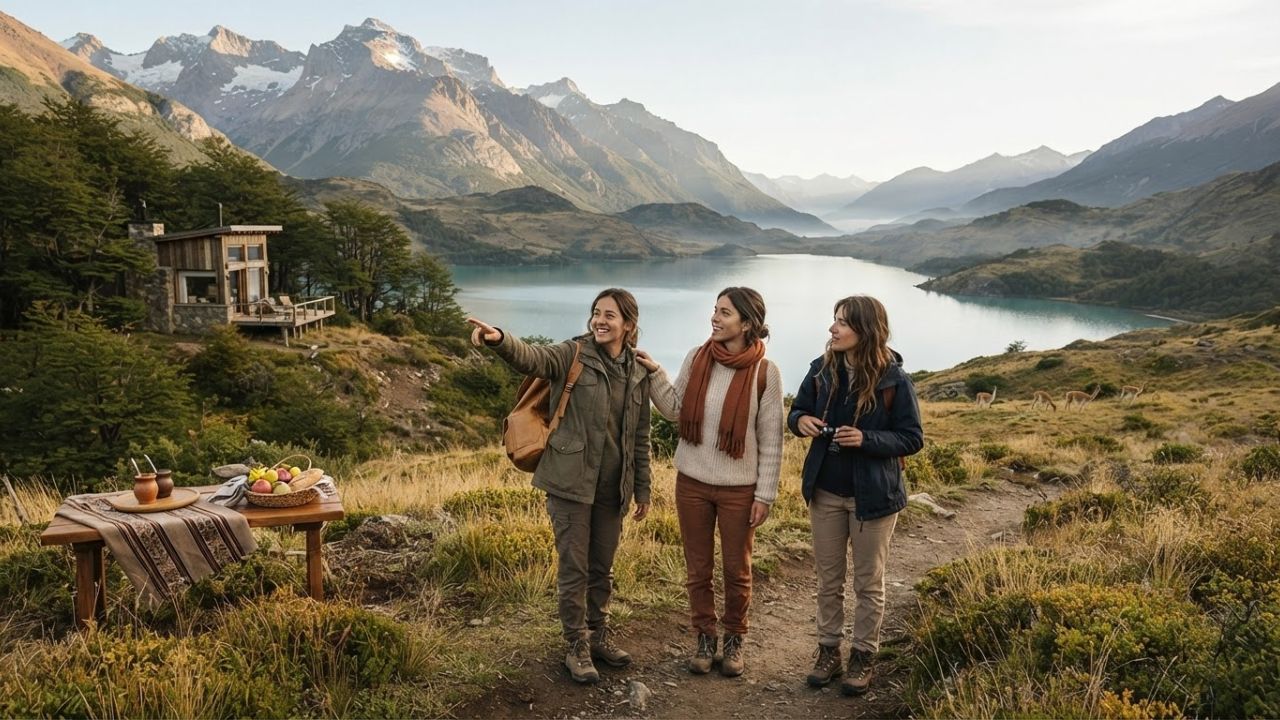
Image generated by AI
Argentina is re-routing its luxury travel landscape toward low-impact, regenerative itineraries across the Northwest, Northern Patagonia, and the Iberá Wetlands.
The Local Trend Revealed
Regenerative travel design and low-impact ecotourism are redefining the luxury itinerary footprint across South America. Discerning international travelers are moving away from crowded, high-volume attractions like Iguazú Falls or standard southern Patagonia trails, choosing instead to focus on geography, heritage, and wilderness conservation.
In August 2026, destination designers in Argentina are crafting tailored routes that highlight high-altitude mountain culture in the Northwest (Salta, Jujuy, Tucumán), alpine lake serenity in Northern Patagonia, and marshland biodiversity preservation in the Iberá Wetlands.
Argentina Regenerative Regions & Conservation Lodge Specifications
Developing sustainable travel itineraries requires identifying key ecological zones and verified low-impact accommodations. The following tables outline Argentina's primary regenerative regions and conservation lodges.
| Travel Region | Key Natural & Cultural Focus | Highlight Destinations | Signature Wildlife / Experience |
|---|---|---|---|
| Argentine Northwest | High-altitude Andes & heritage | Humahuaca Gorge, Tilcara, Uquía | Indigenous craft, salt flats, gastronomy |
| Northern Patagonia | Alpine lakes & elevated gastronomy | Bariloche, San Martín de los Andes | Lake Huechulafquen, high-mountain trails |
| Iberá Wetlands | Marshland biodiversity & eco-lodges | Corrientes wetlands reserve | Caimans, capybaras, maned wolves |
| Chubut Coastal | Marine reserves & sheep farming | Bahía Bustamante, Monte Dinero | Penguin colonies, eco-lodging, wilderness |
Regenerative and low-impact tourism regions in Argentina.
| Wildlife / Eco Lodge | Regional Location | Sustainability / Conservation Focus | Primary Landscape Element |
|---|---|---|---|
| Bahía Bustamante | Chubut, Patagonia | Marine conservation & organic farming | Atlantic coastal steppe |
| Aguas Arriba | El Chaltén, Patagonia | Zero-footprint off-grid power, forest care | Glacial lake & native beech forest |
| Lagos del Furioso | Santa Cruz, Patagonia | Low-impact trail routing & waste care | Andean lake wilderness |
| Campamento Darwin | Santa Cruz, Patagonia | Heritage preservation & historic routes | Patagonian river valley |
Verified conservation and eco-lodges in Argentina.
Cultural & Environmental Value
For the visitor, the real impact is that low-density tourism supports local heritage preservation and directly funds wildlife restoration. In the Iberá Wetlands, low-impact luxury lodges are carefully integrated into the marshlands, allowing guests to observe caimans, capybaras, marsh deer, and maned wolves without disrupting nesting grounds.
In the Northwest mountain settlements of Tilcara and Uquía, travelers interact directly with living history, supporting independent craft shops and traditional high-altitude agricultural communities.
Visitor Insider Tips
To travel responsibly and experience the cultural depth of Argentina's regions, follow these local insights:
- High-Altitude Acclimatization: When visiting the Puna highlands or Humahuaca Gorge (ranging above 3,000 meters), spend your first 24 hours restfully and drink plenty of coca tea to adjust to the elevation.
- Tide and Trail Precautions: In coastal Patagonian reserves like Bahía Bustamante, coordinate walks with local guides to monitor Atlantic tides, which can fluctuate rapidly.
- Eco-Lodge Bookings: Stays at off-grid lodges like Aguas Arriba (El Chaltén) are highly exclusive and require booking at least 6 months in advance due to strict daily visitor caps.
- Gastronomical Etiquette: In Northern Patagonia (Bariloche, San Martín), sample regional delicacies like clay-oven trout and wild berries, which are harvested sustainably by local farmers.
Tourism Outlook
The transition of Argentine tourism toward a conservation-centric model ensures the long-term protection of fragile South American habitats. By focusing on low-density visitor limits and sustainable building materials, boutique eco-lodges demonstrate that premium hospitality and biodiversity protection can co-exist.
This strategic shift builds a resilient visitor economy, preserving Argentina's rich cultural heritage and pristine wilderness for future generations.
Related Travel Guides
Ontario Leads Canada-US Cross-Border Tourism with 746,000 Arrivals
Shravani Mela 2026 Deoghar Travel Tips and Logistics Guide
10 Best Travel Tips for Argentina Itineraries, According to Reddit
Disclaimer
This article is for informational and educational purposes only. It does not constitute legal, financial, or professional advice. While we strive to provide accurate and up-to-date information, travel policies, regulations, and conditions change rapidly. Always verify information with official sources before making travel decisions. Nomad Lawyer makes no representations about the accuracy, reliability, completeness, or suitability of the information provided. Readers should consult qualified professionals for advice specific to their circumstances. The views expressed in this article are those of the author and do not necessarily reflect the views of Nomad Lawyer.