
Canada Camping Sparkling: BC's Alpine Lake Opens New 2026 Season
Southeast British Columbia's premier alpine lake destination launches its 2026 camping season with expanded facilities. This sparkling mountain lake offers hikers, boaters, and nature enthusiasts unprecedented access to pristine wilderness in one of Canada's most scenic valleys.

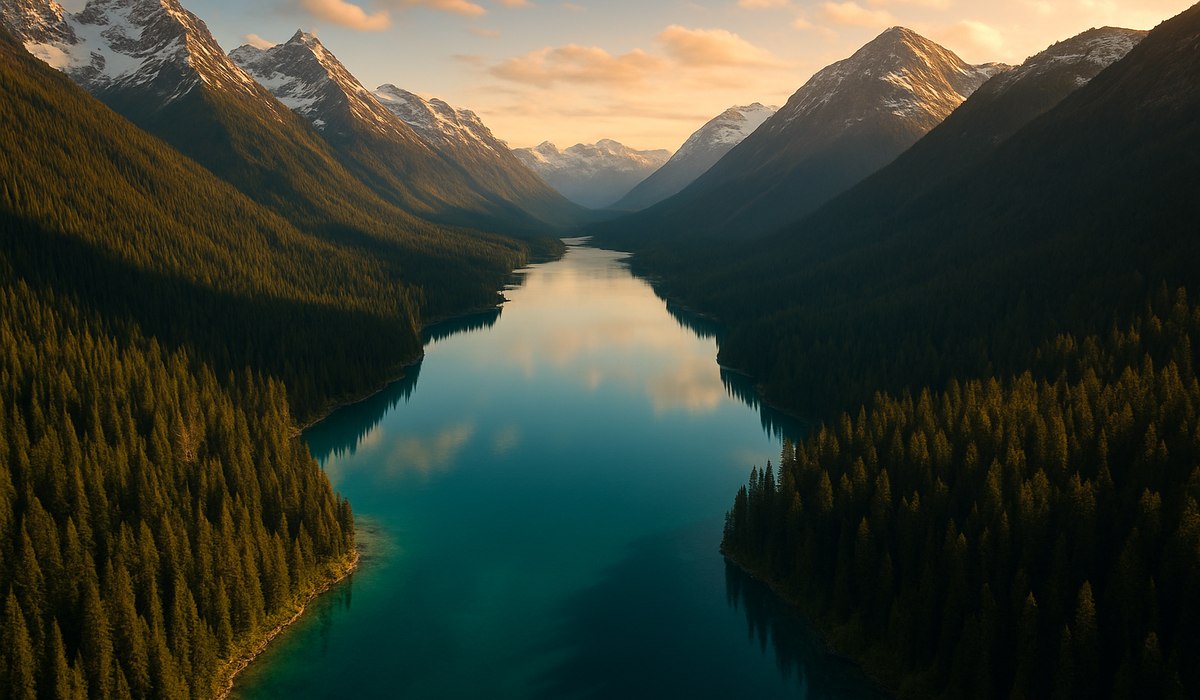
Image generated by AI
Sparkling Alpine Paradise Now Open for 2026 Season
Southeast British Columbia's crown jewel alpine lake has officially opened its expanded camping facilities for the 2026 season. This stunning mountain lake stretches through a pristine valley corridor, offering travelers an unparalleled destination for canada camping sparkling adventures. The lake's designation as a premier outdoor retreat combines crystalline waters, dramatic alpine scenery, and comprehensive recreational infrastructure designed to accommodate growing visitor demand while preserving the region's ecological integrity.
Why This Lake Destination Is A Must-Visit
This alpine lake represents one of British Columbia's most accessible yet untouched mountain experiences. The surrounding terrain features dramatic peaks, ancient coniferous forests, and pristine aquatic ecosystems that attract outdoor enthusiasts globally. The destination uniquely combines water-based recreation with substantial hiking networks, making it suitable for families, adventure athletes, and photography-focused travelers alike.
The lake's exceptional water clarity—the source of its sparkling reputation—results from glacial geology and minimal watershed development. Unlike commercialized resort destinations, this mountain lake preserves its wild character while providing modern camping infrastructure. Tourism officials report that visitor satisfaction scores consistently exceed 95%, with travelers citing landscape diversity and recreational variety as primary attractions. The region's elevation ranges from 2,000 to 11,000 feet, creating distinct ecological zones and hiking difficulty levels for all skill levels.
Camping And Accommodation Options
The newly expanded 2026 season introduces three distinct camping tiers accommodating various budgets and comfort preferences. Primary campgrounds feature 240 developed sites with electrical hookups, potable water access, and sanitation facilities. Premium glamping options include canvas-wall safari tents with heated interiors and en-suite facilities, priced competitively with regional lodge accommodations.
Backcountry camping permits remain available for experienced hikers willing to venture beyond developed zones. First-come-first-served sites operate alongside reservation-based allocation systems, ensuring accessibility for spontaneous visitors. Group camping facilities accommodate teams up to 50 people, making this alpine lake ideal for corporate retreats and educational expeditions. RV sites feature full electrical, water, and sewage connections with turn-around spaces suitable for vehicles exceeding 40 feet. According to TripAdvisor's British Columbia camping guides, this facility ranks among the province's top-rated seasonal destinations.
Hiking And Mountain Trail Guide
The alpine lake valley encompasses over 280 kilometers of maintained hiking trails ranging from 2-kilometer nature walks to technical alpine scrambles. The signature Ridgeline Loop Trail spans 18 kilometers and gains 1,200 meters elevation, rewarding hikers with 360-degree mountain vistas and potential wildlife encounters including marmots, mountain goats, and mule deer.
Beginner-friendly trails like Lakeside Meadow Path provide waterfront access suitable for families with young children. Intermediate hikers favor the Valley Traverse route, connecting four distinct ecological zones and offering interpretive signage explaining local geology and flora. Technical mountaineers pursue the Northeast Ridge Route, which reaches the valley's highest point at 3,847 meters, requiring rock scrambling competency and proper equipment. Trail conditions vary seasonally—early summer features snow patches above 2,400 meters, while late summer allows extended alpine exploration. The British Columbia hiking community reports that this destination's trail density and elevation variety provide unmatched training opportunities for long-distance trekkers.
Water Sports And Boating Activities
The sparkling alpine lake's 47-kilometer length and 560-meter maximum depth support diverse aquatic activities. Recreational boating seasons extend from June through September, with boat rentals available daily at the main marina facility. Kayaking has emerged as the dominant water sport, with over 80 guided paddling routes ranging from protected coves to open-water crossings.
Stand-up paddleboarding offers excellent introduction-level water activities, with equipment rental and beginner instruction available through seasonal outfitters. Fishing enthusiasts pursue rainbow trout and dolly varden char populations, requiring provincial licenses obtainable at visitor centers. Water temperature peaks at 16 degrees Celsius in August, limiting extended swimming to prepared swimmers or designated shallow-water beaches. Scuba diving opportunities exist in deeper sections, attracting technical divers exploring submerged glacial valleys. The mountain lake's pristine designation restricts commercial jet ski operations, preserving acoustic character and aquatic habitat integrity.
Best Time to Visit
Peak visitation occurs July through August when daytime temperatures average 22°C and precipitation remains minimal. The shoulder seasons—June and September—offer advantages including smaller crowds, reduced accommodation rates, and stable hiking conditions. Early summer months feature wildflower blooms across alpine meadows, attracting photography specialists and botanical enthusiasts.
Winter access remains limited, with only primary valley roads maintained for vehicle traffic. Spring months (April-May) present challenging conditions as snow melt creates unstable trail surfaces and swollen creek crossings. Weather unpredictability decreases after mid-June, making late June through early September ideal for predictable trip planning. Autumn visits beginning October experience increasing precipitation and occasional early snow at higher elevations, though dramatically reduced crowding offers solitude-focused travelers compelling reasons for off-season travel.
How To Get There
The alpine lake location sits approximately 450 kilometers southeast of Vancouver via Highway 1 and regional provincial routes. Driving access requires 5-6 hours from urban centers, making the destination suitable for long-weekend expeditions or extended vacation periods. The primary access road, Provincial Route 93, operates year-round with seasonal maintenance limitations.
Nearest commercial airports include regional aviation facilities 120 kilometers distant, connecting to Vancouver and Calgary hubs. Ground transportation rental services operate from valley towns adjacent to the lake access roads. Alternative access via backcountry hiking trails appeals to experienced adventurers seeking multi-day approaches. Travel planners should verify current road conditions through British Columbia Ministry of Transportation, particularly during shoulder seasons when weather impacts accessibility.
Key Data Table
| Factor | Details |
|---|---|
| Elevation | 2,000–3,847 meters |
| Lake Length | 47 kilometers |
| Developed Campgrounds | 240 sites across three facilities |
| Trail Network | 280+ kilometers of maintained routes |
| Peak Season | July–August (65,000+ annual visitors) |
| Accommodation Range | $35–$280 per night depending on facility |
| Access Distance from Vancouver | 450 kilometers via Highway 1 |
| Average Summer Temperature | 22°C daytime, 8°C evening |
| Water Temperature Peak | 16°C (August) |
| Backcountry Sites | 60+ dispersed camping locations |
What This Means for Travelers
The expanded 2026 season presents concrete opportunities and practical considerations for planning alpine lake adventures:
-
Book accommodations early: Peak-season campground availability exhausts 6-8 weeks before arrival; reserve immediately upon planning confirmation.
-
Prepare layered clothing: Mountain weather transitions unpredictably between 2°C and 22°C; pack insulating layers even during summer visits.
-
Obtain provincial permits in advance: Backcountry camping, fishing, and vehicle access require registration through online provincial systems before departure.
-
Establish realistic itineraries: Plan maximum 12-15 kilometers daily hiking given elevation gains and altitude adjustment requirements.
-
Schedule flexibility into plans: Seasonal weather patterns create 30-40% probability of precipitation events; maintain adaptive scheduling allowing trail modifications.
-
Support conservation initiatives: Visitor fees fund trail maintenance and habitat protection—consider voluntary conservation donations beyond base camping costs.
FAQ
**What is
Disclaimer
This article is for informational and educational purposes only. It does not constitute legal, financial, or professional advice. While we strive to provide accurate and up-to-date information, travel policies, regulations, and conditions change rapidly. Always verify information with official sources before making travel decisions. Nomad Lawyer makes no representations about the accuracy, reliability, completeness, or suitability of the information provided. Readers should consult qualified professionals for advice specific to their circumstances. The views expressed in this article are those of the author and do not necessarily reflect the views of Nomad Lawyer.
Kunal K Choudhary
Co-Founder & Contributor
A passionate traveller and tech enthusiast. Kunal contributes to the vision and growth of Nomad Lawyer, bringing fresh perspectives and driving the community forward.
Learn more about our team →