
Canada Camping Remote: Alberta's Hidden Lake Gem for 2026
Eastern Alberta's pristine lake destination offers remote canada camping opportunities with world-class fishing and picture-perfect scenery. Digital nomads and outdoor enthusiasts discover their ideal retreat in 2026.

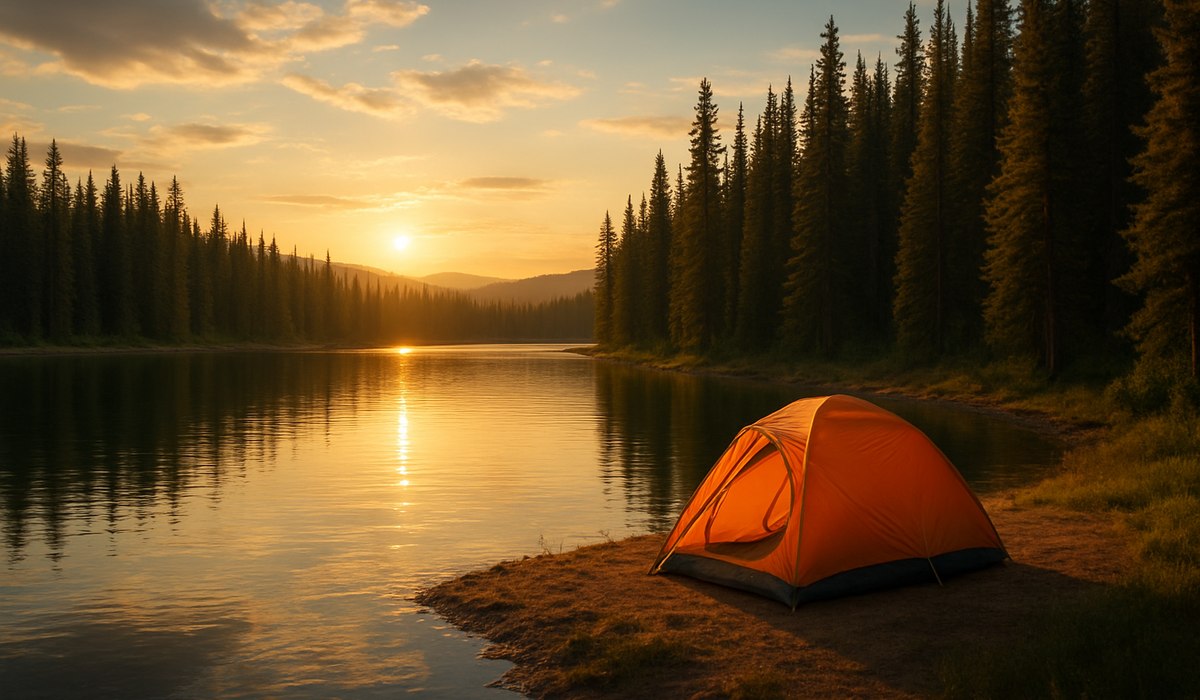
Image generated by AI
Eastern Alberta's Undiscovered Lake Oasis Becomes 2026's Premier Remote Camping Destination
Eastern Alberta is unveiling one of Canada's best-kept remote lake secrets for travelers seeking pristine wilderness retreats. This picture-perfect camping oasis combines crystal-clear waters, exceptional fishing opportunities, and complete isolation from urban crowds. The destination appeals directly to digital nomads, outdoor enthusiasts, and families craving authentic wilderness experiences. Located deep within Alberta's natural landscape, this remote lake offers year-round recreational appeal with facilities designed for both traditional campers and RV travelers. The emerging popularity signals 2026 as the breakthrough year for this previously overlooked canadian destination.
Where to Find This Remote Lake Oasis
Eastern Alberta's hidden gem sits nestled within the province's northern reaches, approximately 3-4 hours from major metropolitan centers. The lake remains relatively unknown among mainstream tourism circles, preserving its pristine environmental condition and peaceful atmosphere. Access routes have improved significantly, making canada camping remote experiences more accessible without sacrificing solitude. The surrounding landscape features boreal forest ecosystems, rocky shorelines, and abundant wildlife viewing opportunities. Wildlife management officials and local tourism boards have actively promoted responsible recreation at this oasis, encouraging visitors to respect conservation guidelines. The lake's remote positioning ensures visitor numbers remain manageable, preventing overcrowding typical of popular canadian destinations.
Fishing Opportunities and Best Seasons
This remote lake oasis hosts thriving populations of northern pike, lake trout, and walleye, attracting anglers from across North America. The fishing season extends from May through October, with peak activity occurring during late spring and early fall months. Local fishing guides provide expertise on seasonal patterns and optimal locations for canada camping remote anglers. Water temperature variations create ideal conditions for multiple fish species simultaneously, increasing catch success rates significantly. The lake's natural ecosystem supports sustainable fishing practices, with catch limits enforced to maintain population health. Tourism Alberta resources offer detailed fishing regulations and licensing information for visiting anglers.
RV and Camping Facilities
Campground infrastructure has expanded substantially throughout 2026 to accommodate growing visitor demand. The main facility offers 40-50 developed campsites with electrical hookups, water access, and waste disposal stations. RV-specific sites feature full utility connections and ample turning radius for larger vehicles. Backcountry camping options exist for adventurous travelers seeking unmodified wilderness experiences. Private operators maintain facilities to provincial standards, ensuring cleanliness and safety compliance. Seasonal operations run from May through September, with some winter facilities opening for ice-fishing enthusiasts during colder months.
Tips for Your Visit to Canada's Remote Lake Oasis
First-time visitors should arrive during June or September for optimal weather conditions and moderate temperature ranges. Pack versatile clothing suitable for rapid weather fluctuations common in northern Alberta environments. Bring quality fishing equipment if planning to utilize this oasis's exceptional angling opportunities. Stock provisions in nearby towns before reaching the remote lake, as on-site services remain limited. Reserve camping spots 4-6 weeks in advance during peak season to guarantee preferred locations. Bring a detailed map and GPS device, as cellular coverage remains spotty throughout the region. Consider hiring local fishing guides who understand seasonal patterns and current conditions affecting your canada camping remote experience.
Key Data Table: Remote Lake Oasis Overview
| Characteristic | Details |
|---|---|
| Location | Eastern Alberta, approximately 3-4 hours from major cities |
| Lake Size | Approximately 2,500+ acres of pristine water surface |
| Campground Capacity | 40-50 developed sites plus backcountry options |
| Fish Species | Northern pike, lake trout, walleye, whitefish |
| Peak Season | May through October (June-September peak) |
| RV Facilities | Full hookups, water, electrical, waste disposal available |
| Accessibility | Improved road access; 2WD vehicles suitable |
| Closest Town | 45-60 minutes drive for supplies and services |
| Average Water Temperature | 60-65°F during summer months |
| Wildlife | Moose, elk, beavers, waterfowl commonly observed |
What This Means for Travelers in 2026
1. Book accommodations immediately: Peak season spots fill 4-6 weeks ahead, requiring advance planning for summer travel dates.
2. Prepare for remote conditions: Limited cell service, distant medical facilities, and minimal on-site amenities demand self-sufficiency planning.
3. Leverage fishing expertise: Hire local guides to maximize catch success and learn seasonal patterns specific to this remote lake oasis.
4. Budget for fuel and supplies: Remote location necessitates stocking provisions in nearby towns at potentially higher prices than urban centers.
5. Respect environmental protocols: Conservation practices protect this pristine oasis, requiring strict adherence to catch limits and campfire regulations.
6. Plan transportation carefully: Reliable vehicle maintenance becomes critical when operating 3+ hours from professional service centers during your canada camping remote trip.
FAQ: Remote Lake Camping in Eastern Alberta
What's the best time to visit this remote lake oasis for fishing? Late May through early September offers optimal conditions. June and September provide cooler temperatures and excellent pike activity. Summer months see strong walleye fishing during evening hours. Early fall brings increased fish feeding as water temperatures cool.
Do I need a boat to access good fishing spots at this canada camping remote destination? While boats expand fishing range, shore-based anglers enjoy success from developed access points. Many productive areas remain within walking distance of campsites. Boat rentals operate seasonally through the main facility. Shore fishing produces consistent results for patient anglers targeting near-structure locations.
What supplies should I bring when visiting this remote lake oasis? Pack medications, specialized fishing gear, propane, food provisions, and water treatment supplies. Campground facilities provide basic amenities, but self-sufficiency planning proves essential. Fishing licenses, maps, and navigation tools prevent complications. Emergency communication devices offer safety assurance in limited-service regions.
Are facilities available year-round at this remote lake camping destination? Primary facilities operate May through September seasonally. Winter access exists for hardy travelers pursuing ice-fishing activities. Check current operational status before planning off-season trips. Holiday weekends sometimes offer extended seasonal facility access during shoulder months.
Related Travel Guides
- Travel Middle East Crisis: 181 Flights Canceled Across Gulf Hub Airports
- Nebraska Ranked Safari Park Named Nation's Best for 2026
- Travel Flight Middle East: Major Airlines Suspend Operations Amid Airspace Closures
Disclaimer
This article provides general travel information based on publicly available tourism resources and operator communications as of June 2026. Information accuracy depends on seasonal changes, operational updates, and regulatory modifications affecting facility services. Readers should verify current conditions, campground availability, and fishing regulations directly with Tourism Alberta and provincial fisheries departments before planning trips. Contact local operators, review current booking platforms, and confirm facility status with official provincial websites. Always verify with your accommodations provider, local tourism boards, and provincial authorities before finalizing travel plans to ensure all details match current conditions.
Disclaimer
This article is for informational and educational purposes only. It does not constitute legal, financial, or professional advice. While we strive to provide accurate and up-to-date information, travel policies, regulations, and conditions change rapidly. Always verify information with official sources before making travel decisions. Nomad Lawyer makes no representations about the accuracy, reliability, completeness, or suitability of the information provided. Readers should consult qualified professionals for advice specific to their circumstances. The views expressed in this article are those of the author and do not necessarily reflect the views of Nomad Lawyer.
Raushan Kumar
Founder & Lead Developer
Full-stack developer with 11+ years of experience and a passionate traveller. Raushan built Nomad Lawyer from the ground up with a vision to create the best travel and law experience on the web.
Learn more about our team →