
Antarctica Tourism Surge 2026: Record 116,000 Visitors Amid Hantavirus Alert and Rapid Ice Melt
Antarctica is experiencing a massive tourism boom with over 116,000 visitors in 2024, despite a deadly hantavirus outbreak and NASA data showing 149 billion tons of annual ice loss.

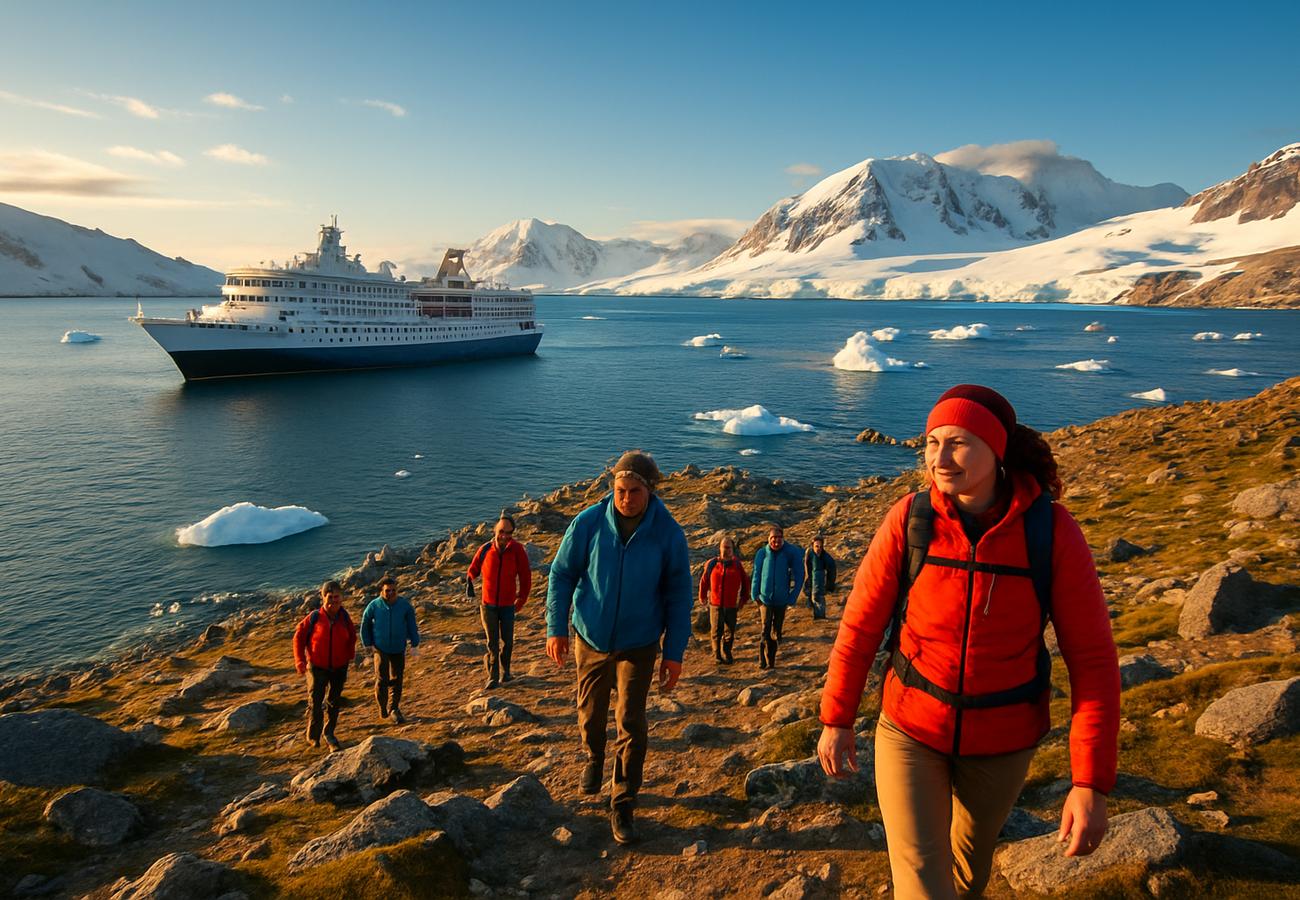
Image generated by AI
Quick Summary
- Record Arrivals: In 2024, over 80,000 tourists landed in Antarctica, with another 36,000 observing from ships, representing a tenfold growth in tourism over 30 years.
- Future Projections: The International Association of Antarctica Tour Operators (IAATO) predicts visitor numbers could exceed 400,000 by 2030.
- Health Alert: A deadly hantavirus outbreak aboard a Dutch polar cruise ship (MV Hondius) has triggered global health investigations into polar disease transmission.
- Accelerated Ice Melt: NASA reports that Antarctica lost an average of 149 billion metric tons of ice per year between 2002 and 2020.
- "Last Chance Tourism": Rapidly warming temperatures, particularly in the Antarctic Peninsula, are paradoxically driving higher travel demand as tourists seek to see the ice before it melts.
- Biosecurity Risks: The surge in human activity increases the threat of avian flu and the introduction of invasive species into the continent's pristine ecosystem.
- Regulatory Need: Environmental groups are calling for an update to the 1959 Antarctic Treaty to address the challenges of mass commercial tourism.
Tourism to the frozen frontier of Antarctica has reached an unprecedented peak in 2026, creating a complex intersection of economic growth, global health concerns, and environmental fragility. While the allure of the continent’s pristine wilderness attracts record-breaking crowds—projected to hit 400,000 annually by the end of the decade—the infrastructure is struggling to manage the biosecurity risks. A recent hantavirus outbreak aboard the MV Hondius has brought the vulnerability of confined ship-based travel to the forefront of international headlines. Simultaneously, NASA’s confirmation of 149 billion metric tons of annual ice loss highlights the irony of "last chance tourism," where the very phenomenon of climate change is serving as a primary marketing driver for polar expeditions. As tour operators strengthen hygiene protocols to prevent the spread of avian flu and invasive species, the legal framework of the 1959 Antarctic Treaty is under intense scrutiny. Experts argue that without a modern, comprehensive regulatory framework that prioritizes ecosystem preservation over commercial volume, the continent’s unique landscapes and wildlife—including its iconic penguin and seal colonies—face irreversible damage from unchecked human presence.
Antarctica Tourism 2024-2030: Growth, Environmental Impact, and Health Risks
The following table details the quantitative shifts and ecological challenges facing the Antarctic continent in the 2026 travel season.
| Category | Data Point / Statistic | Source / Impact |
|---|---|---|
| 2024 Total Visitors | 116,000 (80k landings + 36k ship) | IAATO Record High |
| 2030 Visitor Forecast | 400,000+ | Projected Industry Scaling |
| 30-Year Growth Rate | 1,000% (Tenfold) | Rapid Commercial Expansion |
| Annual Ice Loss | 149 Billion Metric Tons | NASA (2002-2020 Avg) |
| Key Health Event | Hantavirus Outbreak (MV Hondius) | Investigating ship transmission |
| Biosecurity Threat | Avian Flu & Invasive Species | Risk to native bird populations |
| Regulatory Status | 1959 Antarctic Treaty | Deemed outdated for mass tourism |
| Top Destination Hub | Antarctic Peninsula | Fastest-warming region on Earth |
Rapid Expansion: From 80,000 Landings to a 400,000-Visitor 2030 Estimate
The scaling of Antarctic tourism is driven by technological advancements:
- Ice-Capable Vessels: New, high-tech ships have made the Drake Passage more accessible and comfortable for a broader demographic of travelers.
- Increased Frequency: The number of scheduled expeditions has grown tenfold in three decades, transitioning from niche scientific trips to a major global industry.
- Market Reach: Marketing efforts focused on "bucket list" travel have successfully normalized Antarctica as a viable luxury destination.
Health Crisis: The Hantavirus Outbreak Aboard the MV Hondius
The recent outbreak on a Dutch polar cruise ship has raised alarms among health experts:
- Transmission Concerns: Hantavirus typically spreads through rodent droppings; however, the WHO is investigating the possibility of human-to-human transmission in the confined cruise environment.
- Isolation Challenges: The extreme isolation of Antarctic waters complicates medical evacuations and quarantine protocols for infectious diseases.
- Previous Precedents: The incident follows earlier polar cruise disruptions involving norovirus and COVID-19, highlighting the high-risk nature of the industry.
The Warming Peninsula: NASA Reports 149 Billion Tons of Annual Ice Loss
Antarctica's physical geography is undergoing a rapid, visible transformation:
- Fastest-Warming Region: The Antarctic Peninsula, where most tourism is concentrated, is experiencing warming rates significantly higher than the global average.
- Glacial Retreat: Satellite data shows a consistent retreat of ice shelves, opening up new, previously inaccessible channels for tour ships.
- Sea Level Impact: The annual loss of 149 billion tons of ice is a critical driver of global sea-level rise, directly linked to polar temperature spikes.
"Last Chance Tourism": The Irony of Climate Change Driving Travel Demand
A psychological shift is influencing the global travel market:
- Urgency to Visit: Many travelers are booking polar trips with the specific awareness that iconic icebergs and wildlife habitats may not exist for future generations.
- Eco-Anxiety: The desire to witness "untouched" nature before it is altered by human-induced warming is a primary motivator for current record-breaking numbers.
- The Tourism Footprint: Ironically, the carbon emissions from long-haul flights and ship fuel used to reach Antarctica contribute to the very warming tourists are rushing to see.
Biosecurity Threats: Avian Flu, Invasive Species, and IAATO Hygiene Protocols
Protecting the continent's unique biology is a major operational challenge:
- Avian Flu Risk: Migratory birds have already introduced diseases to the continent, leading to stricter IAATO rules regarding proximity to penguin colonies.
- Invasive Seeds and Insects: Tourists are now required to undergo rigorous boot-scrubbing and gear-cleaning protocols to prevent the introduction of non-native plant species.
- Path Enforcement: IAATO guidelines strictly enforce staying on designated paths to minimize soil compaction and wildlife disturbance.
Regulatory Gap: Modernizing the 1959 Antarctic Treaty for Global Tourism
The legal framework governing the continent was designed for a different era:
- Scientific Focus: The original 1959 treaty prioritizes Antarctica as a "scientific preserve" and did not anticipate the 400,000-visitor scale of 2030.
- Call for Reform: Environmental groups are advocating for mandatory environmental impact assessments (EIAs) for every commercial expedition.
- Wildlife Protection: Stronger, legally binding regulations are needed to safeguard krill populations, which are the foundation of the Antarctic food web and are currently impacted by noise and water pollution.
Conclusion: Balancing Fragile Ecosystems with Unchecked Growth
Ultimately, the record tourism numbers of 2026 present a paradox for Antarctica. While visitation provides a unique opportunity to educate the public about the importance of polar preservation, the unchecked growth of the industry threatens the very environment people are traveling to see. With 149 billion tons of ice melting annually and new health risks like hantavirus emerging, the need for a collaborative, global approach to regulation is more urgent than ever. Striking a sustainable balance between conservation and commercial access is the only way to ensure that the "wonder of the frozen frontier" remains a reality for future generations.
FAQ: Antarctica Tourism & Environmental Risks 2026
Is it safe to go on an Antarctic cruise given the hantavirus alert? While the WHO is investigating the MV Hondius incident, most tour operators have implemented rigorous new health screening and hygiene protocols to ensure passenger safety.
How many tourists visit Antarctica each year? In the 2024-2025 season, over 116,000 people visited Antarctica, a number expected to grow to 400,000 by 2030.
What is "Last Chance Tourism"? It is a travel trend where people visit destinations like Antarctica specifically because they believe the landscape or wildlife will soon disappear due to climate change.
Related Travel & Science Guides
- Polar Cruise Safety 2026: Health Protocols and Biosecurity
- Understanding the Antarctic Peninsula: A Guide to the Fastest Warming Region
- IAATO Guidelines: How to Be a Responsible Tourist in Antarctica
Disclaimer
This article is for informational and educational purposes only. It does not constitute legal, financial, or professional advice. While we strive to provide accurate and up-to-date information, travel policies, regulations, and conditions change rapidly. Always verify information with official sources before making travel decisions. Nomad Lawyer makes no representations about the accuracy, reliability, completeness, or suitability of the information provided. Readers should consult qualified professionals for advice specific to their circumstances. The views expressed in this article are those of the author and do not necessarily reflect the views of Nomad Lawyer.
Kunal K Choudhary
Co-Founder & Contributor
A passionate traveller and tech enthusiast. Kunal contributes to the vision and growth of Nomad Lawyer, bringing fresh perspectives and driving the community forward.
Learn more about our team →