
Antarctica Adventure Tourism 2026: Hantavirus Outbreak Sparks Global Health Concern
A surge in Antarctica 'last chance tourism' has collided with a tragic hantavirus outbreak aboard the MV Hondius, prompting a global WHO investigation and a reevaluation of polar biosecurity protocols.

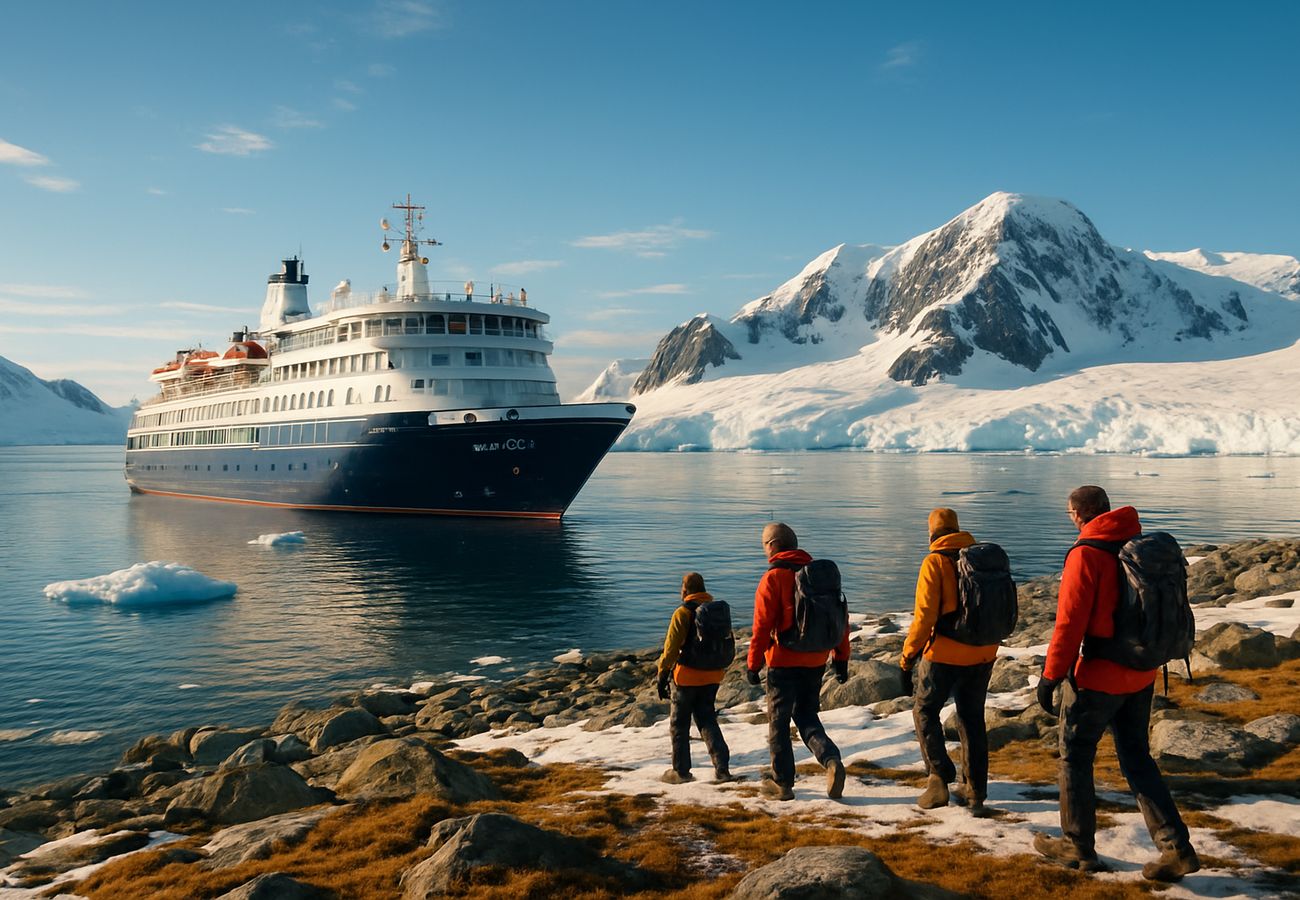
Image generated by AI
Quick Summary
- Health Alert: A tragic hantavirus outbreak aboard the polar cruise ship MV Hondius has triggered a global investigation by the World Health Organization (WHO).
- Tourism Surge: Over 80,000 tourists set foot on Antarctica in 2024, with an additional 36,000 visiting via cruise ships—a tenfold increase over the last 30 years.
- Future Forecast: Experts predict visitor numbers could exceed 400,000 within the next decade, driven by "last chance tourism" fascination.
- Biological Risks: Pathogens like avian flu have already been introduced by migratory birds, and cruise ships are increasingly viewed as potential incubators for norovirus and COVID-19.
- Strict Biosecurity: Travelers are subject to rigorous decontamination, including scrubbing boots and vacuuming equipment, to prevent the introduction of invasive seeds or microbes.
- Regulatory Pressure: Environmental coalitions are calling for an update to the 1959 Antarctic Treaty to address the scale of modern high-frequency tourism.
The pristine wilderness of Antarctica is currently the center of an international health and environmental crisis. As the allure of "last chance tourism" drives record numbers of visitors to the ice-cloaked continent, a deadly hantavirus outbreak on the MV Hondius has underscored the biological vulnerabilities of remote polar travel. The vessel, which departed from Ushuaia, Argentina, on April 1, became the subject of an intense WHO investigation following reports of a respiratory illness in an environment where rodent carriers were supposedly absent. With the Antarctic Peninsula warming at an accelerated rate, the intersection of environmental degradation and human activity is straining current biosecurity protocols. As maritime engineering makes the Drake Passage more accessible, the "footprint" left by humans—which can persist for half a century—is forcing the International Association of Antarctica Tour Operators (IAATO) to reconsider the balance between global fascination and the preservation of a delicate, non-replicable ecosystem.
Antarctica Tourism 2024-2026: Growth, Biosecurity, and Health Alerts
The following table summarizes the scale of modern polar travel and the specific risks associated with the 2026 expedition season.
| Category | Data Point / Statistic | Impact / Risk Factor |
|---|---|---|
| Annual Visitors (2024) | 116,000 Total (80k land, 36k ship) | 10x growth over 30 years |
| 10-Year Forecast | 400,000+ Visitors | Quadrupling of human footprint |
| Current Health Incident | Hantavirus (MV Hondius) | WHO investigation into transmission |
| Biological Threat | Avian Flu (Migratory Birds) | Already introduced from South America |
| Decontamination Rule | Boot scrubbing & vacuuming | Prevention of invasive seeds/feathers |
| Governance Base | 1959 Antarctic Treaty | Regarded as outdated for modern scale |
| Logistical Challenge | Extreme distance from medical hubs | Complicates emergency health response |
| Environmental Driver | "Last Chance Tourism" | Urgency driven by melting glaciers |
Record Growth: From 80,000 Visitors to a Forecasted 400,000
The accessibility of the southern frontier is reaching an all-time high:
- Maritime Advancement: Ice-capable hulls have made the Drake Passage safer and more cost-effective for a wider demographic of travelers.
- Tripling Numbers: University experts suggest that the annual visitor count could triple within the next ten years, placing unprecedented stress on local wildlife.
- Global Allure: The unique presence of whales, seals, and penguins remains a primary driver for high-spending adventure tourists.
MV Hondius Incident: Investigating Hantavirus in the Southern Ocean
A medical emergency in the world's most remote waters has raised global alarms:
- Transmission Mystery: Hantavirus is typically spread by rodents, yet none were present on the ship, leading to investigations into pre-boarding infection or human-to-human spread.
- Itinerary Disruption: The ship’s journey to isolated islands was overshadowed by the respiratory illness, highlighting the lack of advanced medical facilities in the region.
- Emergency Response: Managing health crises in the Southern Ocean is complicated by extreme weather and the vast distances from major hospital hubs.
Biological Vulnerabilities: Avian Flu and Invasive Pathogens
The frozen ecosystem is no longer isolated from global health trends:
- Invasive Species: Pathogens can cross borders easily via migratory birds; avian flu has already disrupted local colonies from South America.
- Cruise Incubators: The close quarters shared by passengers and crew on polar cruises make them high-risk environments for norovirus and COVID-19 outbreaks.
- Ecological Balance: Even microscopic microbes trapped in boot laces can disrupt the delicate Antarctic food web, which is founded on krill and seabirds.
Stringent Biosecurity: The Battle Against Ecological Contamination
Tour operators enforce some of the world's strictest cleaning protocols:
- Meticulous Scrubbing: All equipment, especially boots, must be scrubbed with brushes and disinfectants before and after every landing.
- Vacuuming Gear: Clothing is vacuumed to ensure that no seeds, feathers, or soil are accidentally transported between landing sites.
- Human Footprint: Waste and contamination can persist in the frozen environment for 50 years, making immediate prevention the only viable preservation strategy.
Regulatory Gaps: Is the 1959 Antarctic Treaty Outdated?
Environmentalists argue that the continent's governance must evolve:
- Scientific Preserve: The treaty designated Antarctica for peaceful scientific use at a time when tourism was negligible.
- Outdated Protections: Critics argue that current voluntary compliance is insufficient for the scale of modern high-frequency tourism.
- Call for Reform: There is a growing movement for the Antarctic Treaty Consultative Meeting to establish mandatory, robust protections for the continent's flora and fauna.
Conclusion: Balancing Global Fascination with Ecosystem Preservation
Ultimately, the Antarctica of 2026 represents a crossroads between human curiosity and biological safety. The hantavirus outbreak on the MV Hondius serves as a stark reminder that even the most remote destinations are not immune to global health threats. As the tourism industry continues to expand toward the pole, the focus must remain on stringent biosecurity and updated regulatory frameworks. The preservation of Antarctica’s glaciers and unique wildlife is not just a local concern but a global priority, ensuring that the southern frontier remains a pristine scientific and natural legacy for future generations.
FAQ: Antarctica Adventure Tourism & Health Alert 2026
What happened on the MV Hondius cruise ship? A deadly hantavirus outbreak was reported during its polar expedition, leading to a WHO investigation into how the virus was transmitted in a rodent-free environment.
How many people visit Antarctica each year? In 2024, over 116,000 tourists visited the continent, with numbers projected to reach 400,000 within the next decade.
What are the biosecurity rules for visiting Antarctica? Visitors must undergo rigorous cleaning of all gear, including vacuuming clothing and scrubbing boots with disinfectants, to prevent the introduction of invasive species.
Related Travel Guides
Disclaimer
This article is for informational and educational purposes only. It does not constitute legal, financial, or professional advice. While we strive to provide accurate and up-to-date information, travel policies, regulations, and conditions change rapidly. Always verify information with official sources before making travel decisions. Nomad Lawyer makes no representations about the accuracy, reliability, completeness, or suitability of the information provided. Readers should consult qualified professionals for advice specific to their circumstances. The views expressed in this article are those of the author and do not necessarily reflect the views of Nomad Lawyer.
Kunal K Choudhary
Co-Founder & Contributor
A passionate traveller and tech enthusiast. Kunal contributes to the vision and growth of Nomad Lawyer, bringing fresh perspectives and driving the community forward.
Learn more about our team →