
Anchorage to Fairbanks Alaska Railroad Guide: Routes, Service Tiers, and 2026 Schedules
A comprehensive analysis of the 356-mile rail corridor between Anchorage and Fairbanks, detailing GoldStar and Adventure Class services, seasonal schedules, and key transit hubs for 2026.

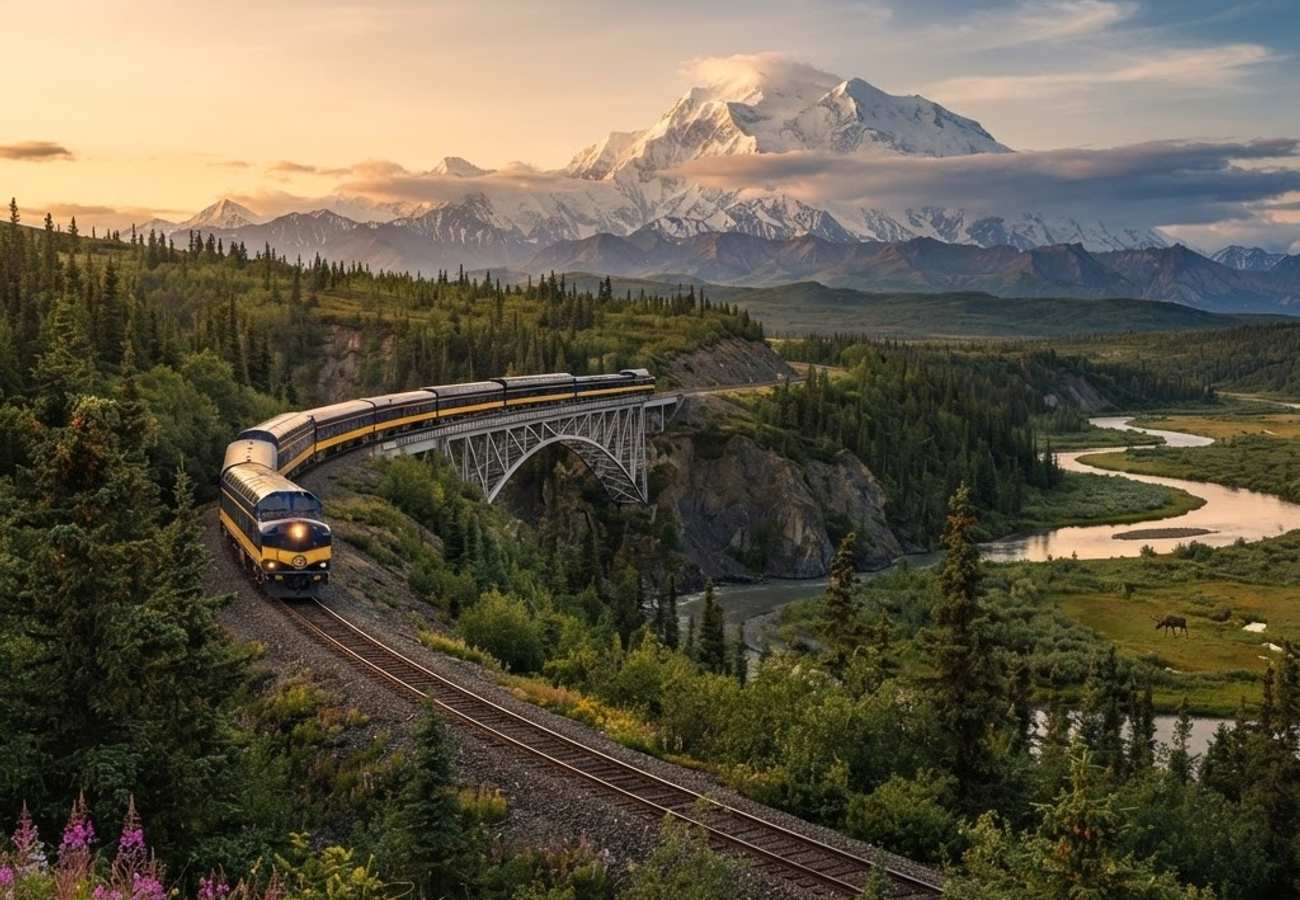
Image generated by AI
The 356-mile rail corridor connecting Anchorage and Fairbanks serves as the primary transit artery for roadless backcountry access in the Last Frontier.
This route transforms a standard transit leg into a logistical expedition, traversing some of North America's most rugged terrain. For travelers, the journey provides a critical link between southcentral Alaska and the interior, bypassing remote highways to offer direct access to protected wilderness and off-grid communities.
Seasonal Operations and Scheduling
The rail corridor operates on two distinct seasonal schedules to accommodate the extreme climatic shifts of the region. Data from the Alaska Department of Transportation and Public Facilities confirms the following operational windows:
- Summer Season (Mid-May through Mid-September): The flagship Denali Star Train operates daily. This is a 12-hour journey departing early in the morning, specifically designed for peak tourism and wilderness access.
- Winter Season (September through May): The Aurora Winter Train serves as the primary transport for northern lights seekers and winter sports enthusiasts.
Service Tier Comparison: GoldStar vs. Adventure Class
Passengers can choose between two tiers of service, which differ significantly in amenities and viewing capabilities.
| Feature | GoldStar Service | Adventure Class |
|---|---|---|
| Viewing | 360-degree glass-domed cars | Main-level expansive picture windows |
| Outdoor Access | Upper-level open-air viewing platform | Vestibule viewing areas |
| Dining | All-inclusive gourmet dining car | Pay-as-you-go Wilderness Café |
| Beverages | Complimentary | Available for purchase |
| Guidance | Dedicated local tour narration | Onboard host commentary |
Critical Route Landmarks and Wildlife Corridors
The route is defined by significant engineering feats and high-density wildlife habitats. Our analysis of the route map highlights three primary areas of interest:
Engineering and Geography The transit includes a crossing of the Hurricane Gulch Bridge, a steel arch structure spanning nearly 300 feet over a creek canyon. Passengers also traverse the Susitna River corridor and the granite walls of Healy Canyon along the Nenana River.
The Denali Vista Near Talkeetna and Broad Pass, the rail line offers clear sightlines of Mount Denali. The peak rises over 20,000 feet, making it the highest point in North America.
Wildlife Habitats Because the line cuts through protected corridors managed by the U.S. Forest Service, sightings are frequent. Common wildlife includes:
- Moose in wetland marshes.
- Grizzly and black bears along riverbanks.
- White Dall sheep on rocky cliffs.
- Bald eagles in the canopy.
Logistics and Stopover Management
For those planning multi-day itineraries, the rail system integrates with several key hubs. Full checked baggage service is available at primary stations in Anchorage, Talkeetna, Denali, and Fairbanks.
Strategic stopovers are common in:
- Wasilla: A primary intermediate stop.
- Talkeetna: A hub for glacier flightseeing tours.
- Denali National Park and Preserve: The gateway for wilderness shuttle buses.
Why This Matters: Industry Implication
From a logistical perspective, the Anchorage-to-Fairbanks rail line is more than a tourist attraction; it is a critical infrastructure lifeline. The Bureau of Land Management notes that the train provides "flag-stop" service for off-grid homesteaders, delivering essential supplies to residents in areas where roads simply do not exist.
For the modern traveler, the real impact is the elimination of "windshield fatigue." Driving the remote highways of interior Alaska involves significant risk and stress. By shifting to rail, passengers move from a position of navigation to one of observation, allowing for a higher quality of experience without sacrificing the ability to reach remote interior destinations.
Forward Outlook
As tourism to the Last Frontier continues to evolve, we expect an increased emphasis on sustainable, low-impact transit. The reliance on the rail corridor reduces the carbon footprint compared to individual rental car fleets and decreases the pressure on fragile roadside ecosystems. Travelers should anticipate tighter booking windows for GoldStar Service as the "slow travel" trend grows in popularity for 2026 and beyond.
The rails remain the most authentic way to experience the scale of the Alaskan interior.
Related Travel Guides
Disclaimer
This article is for informational and educational purposes only. It does not constitute legal, financial, or professional advice. While we strive to provide accurate and up-to-date information, travel policies, regulations, and conditions change rapidly. Always verify information with official sources before making travel decisions. Nomad Lawyer makes no representations about the accuracy, reliability, completeness, or suitability of the information provided. Readers should consult qualified professionals for advice specific to their circumstances. The views expressed in this article are those of the author and do not necessarily reflect the views of Nomad Lawyer.
Preeti Gunjan
Contributor & Community Manager
A passionate traveller and community builder. Preeti helps grow the Nomad Lawyer community, fostering engagement and bringing the reader experience to life.
Learn more about our team →