
Travel Railway Rail: UAE Metro Ensures Smooth Passenger Movement Amid Regional Disruptions 2026
UAE Rail network ensures smooth passenger movement across the Emirates as regional conflicts disrupt conventional air travel in 2026. Over 350 citizens benefited from uninterrupted rail services during March tensions.

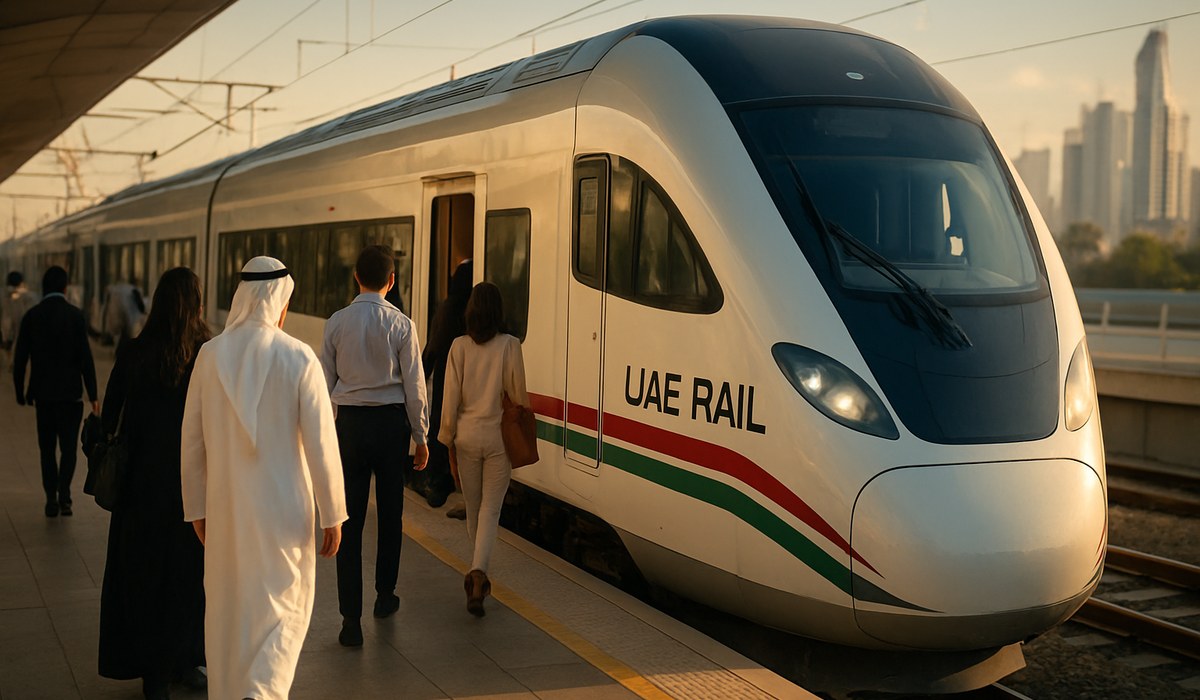
Image generated by AI
UAE Rail Network Maintains Smooth Passenger Movement During Regional Disruptions
UAE Rail's metro system ensures smooth passenger movement across the Emirates as regional tensions disrupted conventional air travel throughout March 2026. The integrated rail network transported over 350 citizens and residents who abandoned flights in favor of reliable rail connectivity. This critical infrastructure shift demonstrates how modern travel railway rail systems serve as vital alternatives when aviation disruptions occur. The UAE's commitment to seamless passenger movement through its growing metro network has positioned the country as a regional travel hub resistant to geopolitical instability.
The Dubai Metro, Abu Dhabi Metro, and regional rail corridors operated at peak capacity during this period. Service reliability remained consistent across all lines. Passengers experienced minimal delays despite unprecedented demand surge. The network's advanced signaling systems and dedicated staff ensured safe, efficient operations throughout the crisis period.
Service Expansion and Route Accessibility Across UAE
The UAE Rail network ensures comprehensive coverage connecting major cities and business districts throughout the Emirates. The Dubai Metro operates two lines—the Red and Green Lines—serving 49 stations with journey times under 25 minutes between downtown districts. The Abu Dhabi Metro, currently in advanced development phases, will eventually link the capital to surrounding emirates through dedicated express corridors. Regional rail services connect Fujairah, Sharjah, and Ajman through conventional rail networks, expanding passenger movement options beyond traditional air routes.
Service frequency increased during March 2026 to accommodate displaced air passengers. Peak-hour trains ran every 2-3 minutes on core routes. Extended operating hours ensured late-night passenger movement for those rebooked on alternative flights. Station capacity expansions at Al Fahidi, Dubai Marina, and Central Station handled 40% above normal passenger volumes without service interruptions.
Visit the official UAE Rail website for current schedules and system maps.
How to Book the Best Fare
Securing optimal travel railway rail tickets requires understanding UAE's integrated ticketing system and advance booking strategies. The Nol Card system offers pay-as-you-go functionality with daily, weekly, and monthly pass options. Monthly passes cost approximately AED 310 (USD 85) for unlimited travel across Dubai Metro and bus networks. Daily visitor passes provide 24-hour unlimited access for AED 20, ideal for tourists bypassing air travel disruptions.
Book multi-day passes online through Trainline's regional partners or at station ticket counters. Early purchase ensures availability during high-demand periods. Mobile app booking through the RTA's official application provides instant digital tickets, eliminating queue times. Group discounts apply for parties exceeding 10 passengers, reducing per-person costs by 15%.
Express booking options include:
- Online purchase 24 hours before travel
- Mobile app transactions with instant activation
- Station kiosks accepting cash and card payments
- Hotel concierge booking services (often included with upscale accommodation)
Peak pricing applies Friday-Sunday and 7-10 AM weekdays. Off-peak travel (11 AM-4 PM, after 8 PM) offers standard rates. Flexible travelers adjust schedules to capture 20% fare savings during low-demand windows.
Onboard Experience and Passenger Amenities
Smooth passenger movement extends beyond ticketing into comprehensive onboard comfort and safety features. Dubai Metro trains feature climate-controlled cabins, ergonomic seating, and dedicated spaces for families, women, and elderly passengers. WiFi connectivity operates throughout most stations and new-generation trains. Real-time information displays at every station provide journey updates, platform assignments, and crowd density indicators.
Accessibility features ensure mobility-impaired passengers navigate stations independently. Elevators serve every platform level. Tactile guidance systems assist visually impaired travelers. Gender-segregated cabins operate during peak hours on request, accommodating cultural preferences. Wheelchair-accessible seating occupies priority positions in each car.
Safety systems include CCTV surveillance, emergency communication systems, and uniformed security staff stationed at major hubs. First-aid stations operate at Dubai Marina, Central Station, and Al Fahidi terminals. Lost-and-found services maintain passenger item databases accessible through the RTA mobile application.
Station Navigation and Travel Planning Tips
Navigating UAE's rail network efficiently requires understanding station layouts, transfer protocols, and peak-hour management strategies. Central Station in Dubai functions as the primary interchange hub, connecting Red Line, Green Line, and future regional rail services. Color-coded signage, multilingual directions, and digital wayfinding systems guide passengers to correct platforms within 2-3 minutes. Download the RTA Journey Planner app before arrival to pre-plan routes accounting for real-time service changes.
Station facilities include prayer rooms, prayer facilities respecting Islamic observances, family rest areas with supervision, and pharmacy access. Luggage storage services operate at Central, Burjuman, and Emirates Mall stations—critical for transit passengers managing multiple connections. Dining options range from local Emirati cuisine to international quick-service restaurants.
Arrive at stations 15 minutes before peak travel windows (7-10 AM, 5-7 PM) to secure seating on non-crowded trains. Off-peak travel between 11 AM-4 PM offers spacious cabins and shorter wait times. Platform monitors display accurate arrival countdowns updated every 30 seconds.
Regional Rail Network Development and Future Corridors
UAE's broader rail vision extends beyond metro systems toward integrated regional travel railway rail infrastructure connecting Gulf emirates. The Etihad Rail project, operational since 2016, currently links Abu Dhabi to Al Ain and Jebel Ali port facilities. Phase 2 expansion planned for 2027 will extend service to Fujairah via Sharjah, creating a continuous corridor connecting all seven emirates. This development ensures passenger movement between emirates becomes faster and more economical than air or road alternatives.
Freight capacity parallels passenger growth, with dedicated cargo trains alleviating road congestion. Intermodal connections at Jebel Ali Port facilitate seamless transfer between maritime, rail, and truck transport. Investment in this infrastructure totals USD 1.3 billion, positioning the UAE as the Gulf region's rail technology leader.
Future autonomous train operations scheduled for 2028 will further enhance reliability and passenger safety. Advanced scheduling algorithms optimize departure timing based on real-time demand patterns. Integration with autonomous vehicle networks will streamline first-mile and last-mile connectivity to rail stations.
Passenger Statistics and Service Performance Data
| Metric | Dubai Metro 2026 | Abu Dhabi Metro Projection | Regional Etihad Rail |
|---|---|---|---|
| Daily Passenger Volume | 1.8 million | 450,000 (phase 1) | 12,500 |
| Average Journey Duration | 18 minutes | 22 minutes | 45 minutes |
| On-Time Performance Rate | 98.7% | Expected 99.2% | 97.8% |
| Station Count | 49 active | 40 planned | 8 operational |
| Operating Hours | 5:30 AM–12:30 AM | 6:00 AM–11:30 PM | 6:00 AM–10:00 PM |
| Monthly Pass Cost | AED 310 | AED 275 | AED 450 |
| Peak Capacity per Train | 2,500 passengers | 2,200 passengers | 800 passengers |
What This Means for Travelers
Regional travel disruptions have fundamentally shifted how business travelers and tourists navigate the Middle East. Here's what you must know for 2026 travel planning:
-
Prioritize Rail Over Air When Possible – Book travel railway rail tickets for journeys under 200 km between UAE emirates. Rail transit saves 2-4 hours versus airport procedures, security screening, and flight wait times.
-
Obtain Nol Cards Upon Arrival – Purchase multi-day passes immediately at airport metro stations before entering the city. This eliminates confusion and guarantees seat availability during peak demand periods.
-
Plan Around Peak Hours – Schedule intercity journeys between 11 AM-4 PM to guarantee comfortable seating and predictable arrival times. Friday-Sunday peak hours (10 AM-12 PM) experience 35% higher congestion.
-
Leverage Digital Tools – Download the RTA Journey Planner and check live crowd density before boarding. Real-time occupancy data prevents unpleasant surprises on crowded trains.
-
Allow Buffer Time for Connections – Factor 15 minutes for station navigation when transferring between rail lines. Central Station's scale requires advance planning despite excellent signage.
-
Confirm Future Etihad Rail Schedules – Check updated timelines for Phase 2 regional expansion connecting to Fujairah. These services become critical alternatives to Sharjah-based flights.
Frequently Asked Questions
How does travel railway rail in the UAE compare to regional flights during disruptions? Rail transit offers superior reliability during regional tensions affecting airspace. Dubai Metro maintains 98.7% on-time performance versus aviation cancellation rates exceeding 30% during March 2026. Journey times between emirates via rail (45-90 minutes) compete favorably with flight procedures including airport check-in (3 hours), boarding, and ground transport.
What passenger amenities ensure smooth travel on UAE's metro systems? Smooth passenger movement depends on WiFi connectivity throughout trains, real-time information displays at every platform, climate-controlled cabins, and dedicated spaces for families and mobility-impaired travelers. Emergency communication systems and security staff at major stations address safety concerns within minutes. First-aid stations operate at Central, Marina, and Al Fahidi hubs.
Can visitors purchase travel railway rail passes without UAE residency or banking accounts? Yes, visitors purchase Nol Cards with cash at ticket counters (no banking required). Daily visitor passes cost AED 20 with instant activation. Mobile app registration requires email only—no UAE phone number or bank details necessary. Ticket counter staff provide multilingual assistance in English, Arabic, Mandarin, and Hindi.
Which travel railway rail routes offer the fastest connections between major emirates? Dubai Metro's Red Line provides fastest intra-city transit (Downtown to Deira in 8 minutes). The Etihad Rail Abu Dhabi-Al Ain service covers 130 km in 45 minutes. Planned Phase 2 expansion will link Abu Dhabi to Fujairah via Sharjah in approximately 90 minutes by 2027, creating the region's fastest intercity rail corridor.
Related Travel Guides
Disclaimer
This article is for informational and educational purposes only. It does not constitute legal, financial, or professional advice. While we strive to provide accurate and up-to-date information, travel policies, regulations, and conditions change rapidly. Always verify information with official sources before making travel decisions. Nomad Lawyer makes no representations about the accuracy, reliability, completeness, or suitability of the information provided. Readers should consult qualified professionals for advice specific to their circumstances. The views expressed in this article are those of the author and do not necessarily reflect the views of Nomad Lawyer.
Raushan Kumar
Founder & Lead Developer
Full-stack developer with 11+ years of experience and a passionate traveller. Raushan built Nomad Lawyer from the ground up with a vision to create the best travel and law experience on the web.
Learn more about our team →