
JR East Restores Wakashio Limited Express Service Connecting Tokyo to Chiba Boso Peninsula in 2026
JR East has officially resumed the Wakashio and Shinjuku Wakashio limited express services, restoring a vital rail link between Tokyo and Chiba's Boso Peninsula following weather-related suspensions.

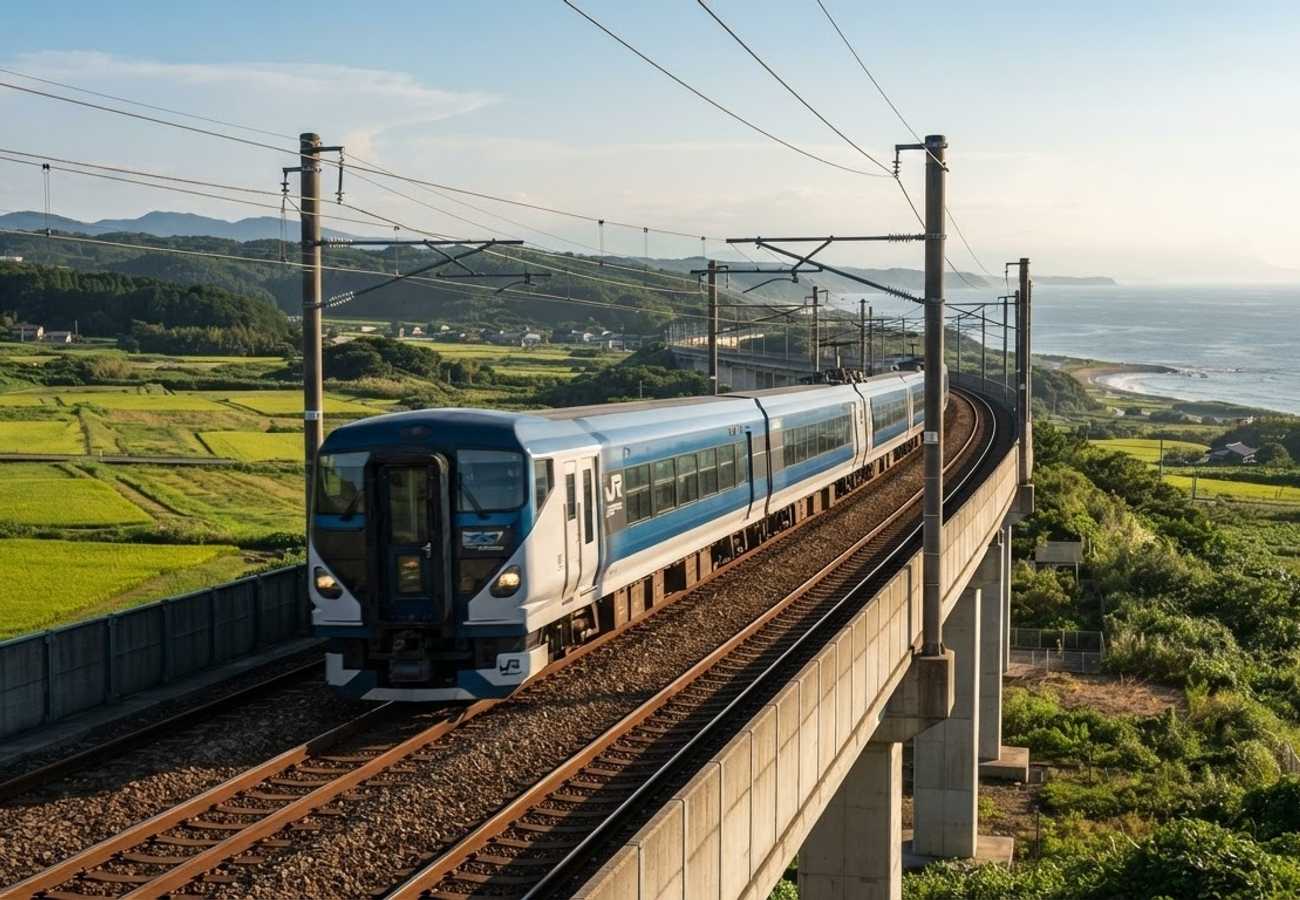
Image generated by AI
Direct rail access to the Boso Peninsula returns as JR East restarts the Wakashio limited express on August 23, 2026. Travelers should prepare for minor delays due to mandatory speed restrictions in repaired sections.
The restoration of the Wakashio and Shinjuku Wakashio limited express services marks the end of a significant disruption for travelers moving between the Tokyo metropolitan area and eastern Chiba. The services were halted following severe weather events that compromised the integrity of the rail infrastructure.
The suspension was triggered by heavy rainfall occurring between August 13 and 14, which caused structural damage to track facilities on the Sotobo Line. Specifically, the section between Honda and Oami stations required extensive repair and rigorous safety certifications before passenger traffic could resume.
While the lines are now open, JR East has implemented a phased return to full capacity. Trains currently traversing the affected zones are operating at reduced speeds to ensure continued safety, meaning passengers should account for longer transit times than usual.
Strategic Importance of the Sotobo Line Link
The return of these services is more than a convenience; it is a vital economic and touristic artery for the Boso Peninsula. By bypassing the need for multiple transfers on local lines or relying on road transport, the limited express service makes the coastal landscapes of Chiba accessible to the millions residing in Tokyo.
For the leisure sector, this reconnection is pivotal. The Boso Peninsula is a primary hub for outdoor activities, beach tourism, and cultural exploration. The availability of the E257 series rolling stock provides the comfort and speed necessary for these longer regional journeys, supporting a sustainable shift toward rail-based tourism.
Operational Breakdown of Restored Services
The recovery effort focuses on two primary service tiers to maximize accessibility from different hubs within the capital:
- Wakashio Limited Express: The primary artery connecting Tokyo directly to the Pacific coast of the Boso Peninsula via the Sotobo Line.
- Shinjuku Wakashio: A targeted service providing direct access from Shinjuku, catering to passengers in central Tokyo and reducing the need to backtrack to Tokyo Station.
Service Recovery and Technical Specifications
The following data summarizes the timeline and technical details of the service restoration:
| Feature | Detail |
|---|---|
| Restart Date | August 23, 2026 |
| Suspension Cause | Heavy rainfall (August 13–14) |
| Critical Damage Zone | Sotobo Line: Honda to Oami stations |
| Active Services | Wakashio & Shinjuku Wakashio |
| Rolling Stock | JR East E257 Series |
| Current Status | Operational with reduced speed in affected areas |
| Primary Region | Chiba Prefecture / Boso Peninsula |
Planning Your Journey: What to Expect
Passengers are advised to treat current schedules as flexible. Because the trains are not yet operating at full line speed between Honda and Oami, arrival times may fluctuate.
Those with tight connections—such as pre-booked hotels, tour operators, or onward transport—should build an additional time buffer into their itineraries. Checking the real-time JR East operating status via official channels is highly recommended before departing.
Impact on Regional Mobility and Tourism
The restoration of the Wakashio services redistributes tourist traffic away from the overcrowded urban centers of Tokyo and into the rural and coastal communities of southern Chiba. This connectivity supports:
- Weekend Tourism: Easier escapes for Tokyo residents seeking nature and coastal retreats.
- Local Economies: Increased footfall for businesses along the Sotobo Line.
- Sustainable Travel: Reduction in rental car reliance for Boso Peninsula exploration.
The return of the Wakashio service ensures that one of Japan's most scenic coastal regions is once again seamlessly integrated into the Tokyo rail network.
Key Takeaways
- Resumption Date: Both Wakashio and Shinjuku Wakashio services returned on August 23, 2026.
- Cause of Delay: Track damage between Honda and Oami stations caused by heavy rain on August 13–14.
- Travel Warning: Expect delays due to mandatory reduced-speed operations in repaired sections.
- Route Focus: The service is essential for accessing the Boso Peninsula in Chiba Prefecture.
FAQ
When did the Wakashio service restart? The service officially resumed on August 23, 2026.
Why were the trains stopped in the first place? Heavy rainfall between August 13 and 14 damaged the track facilities on the Sotobo Line, specifically between Honda and Oami stations.
Should I expect my train to be on time? Possible delays are expected. JR East is operating trains at reduced speeds through the previously damaged sections to ensure safety.
What is the difference between the Wakashio and Shinjuku Wakashio? The Wakashio typically connects Tokyo Station to Chiba, while the Shinjuku Wakashio provides a direct link from Shinjuku Station.
Related Travel Guides
Disclaimer
This article is for informational and educational purposes only. It does not constitute legal, financial, or professional advice. While we strive to provide accurate and up-to-date information, travel policies, regulations, and conditions change rapidly. Always verify information with official sources before making travel decisions. Nomad Lawyer makes no representations about the accuracy, reliability, completeness, or suitability of the information provided. Readers should consult qualified professionals for advice specific to their circumstances. The views expressed in this article are those of the author and do not necessarily reflect the views of Nomad Lawyer.
Raushan Kumar
Founder & Lead Developer
Full-stack developer with 11+ years of experience and a passionate traveller. Raushan built Nomad Lawyer from the ground up with a vision to create the best travel and law experience on the web.
Learn more about our team →