
American Airlines Set to Deploy First Retrofitted Boeing 777-300ER as Premium Cabin Overhaul Nears Completion
Breaking airline news and aviation industry updates for 2026.

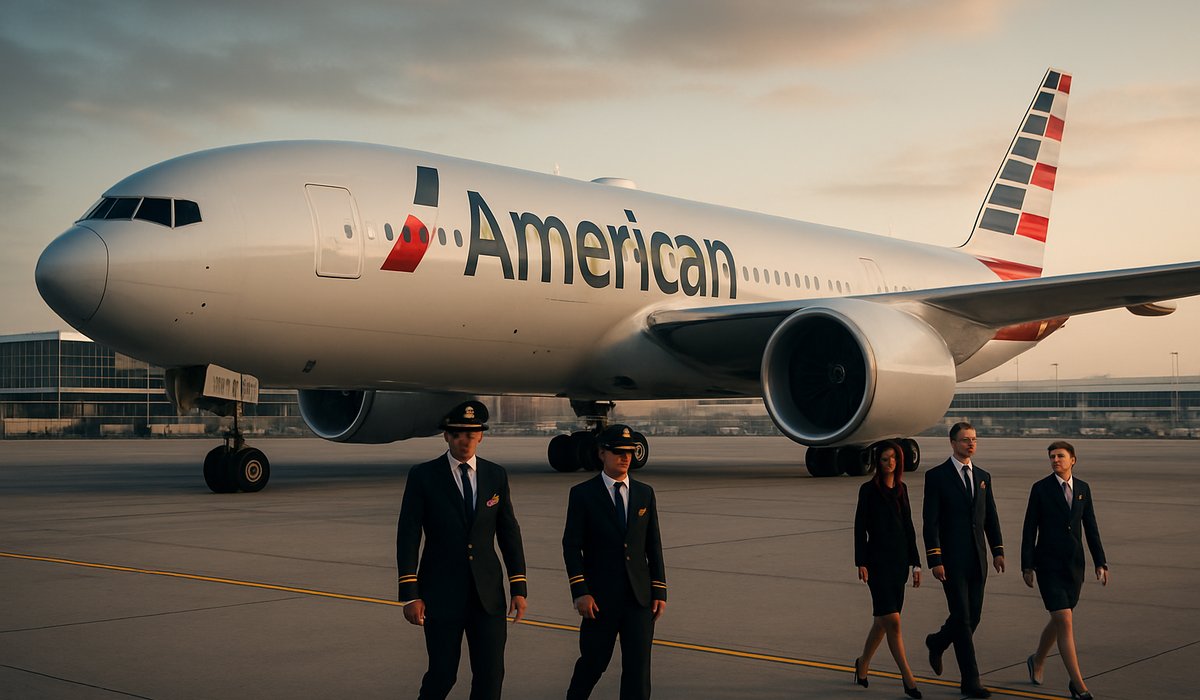
Image generated by AI
American Airlines Set to Deploy First Retrofitted Boeing 777-300ER as Premium Cabin Overhaul Nears Completion
Long-delayed aircraft modernization signals carrier's aggressive push to compete in ultra-long-haul luxury travel market
American Airlines is poised to introduce its first extensively overhauled Boeing 777-300ER aircraft into commercial service next month, marking a critical milestone in the carrier's multiyear cabin reconfiguration initiative. According to aviation tracking sources, the wide-body jet—currently undergoing final preparations in Hong Kong—is expected to complete its departure from the facility before mid-July, with deployment into revenue service anticipated for early to mid-August.
Premium Cabin Redesign Takes Flight
The retrofitted aircraft represents a substantial investment in American's competitive positioning on high-demand international routes. The 777-300ER modernization encompasses comprehensive upgrades to the carrier's premium seating configurations, amenities, and passenger experience offerings—enhancements designed to directly challenge rival carriers operating comparable long-haul fleets.
The extended timeline for this particular aircraft underscores the complexity of retrofitting wide-body aircraft to meet contemporary premium travel standards. Aviation industry analysts note that such comprehensive cabin overhauls require intricate coordination between maintenance facilities, cabin designers, and certification authorities.
Strategic Implications for Long-Haul Competition
American's deliberate rollout of the modernized 777-300ER signals the carrier's determination to strengthen its position in the lucrative premium international segment, where competitors including United Airlines and Delta have already implemented comparable cabin enhancements. The timing of this deployment comes as global demand for premium long-haul travel continues its recovery trajectory following post-pandemic fluctuations.
The retrofit program aligns with broader industry trends toward cabin personalization, enhanced service amenities, and improved seat comfort configurations that airlines leverage to justify premium pricing and drive ancillary revenue expansion.
What Comes Next
Should the anticipated timeline materialize, the aircraft's entry into passenger service would represent validation of American's modernization strategy and potentially accelerate deployment of additional retrofitted aircraft from the carrier's 777 fleet. Industry observers will monitor this debut closely for operational performance indicators that may influence similar retrofit programs across the broader aviation sector.
FAQ: American Airlines 777 Retrofit and Premium Cabin Upgrades
When will American Airlines' retrofitted 777-300ER enter passenger service? The aircraft is expected to enter commercial service in early to mid-August, following its departure from Hong Kong facilities before mid-July.
What improvements does the 777-300ER retrofit include? The modernization encompasses comprehensive premium cabin upgrades, including enhanced seating configurations, improved amenities, and upgraded passenger experience features designed to compete with rival carriers on international routes.
How does this retrofit affect airline fees and passenger costs? Enhanced premium cabin amenities typically support premium pricing strategies, though specific fare impacts remain dependent on route demand and competitive market conditions.
Which airlines are competing with American Airlines on retrofitted long-haul aircraft? United Airlines and Delta have implemented comparable cabin enhancement programs on their wide-body fleets, intensifying competition in the premium international travel segment.
Why has the 777 retrofit taken this long? Comprehensive aircraft retrofitting requires extensive coordination between maintenance facilities, design teams, and regulatory authorities, making these projects inherently lengthy and complex undertakings.
Related Travel Guides
-
Airlines United Secretary Signals Openness to US Merger Strategy
-
Dublin Route China: Eastern Airlines Launches 5,800-Mile Nonstop Service
External Resources
Disclaimer
This article is for informational and educational purposes only. It does not constitute legal, financial, or professional advice. While we strive to provide accurate and up-to-date information, travel policies, regulations, and conditions change rapidly. Always verify information with official sources before making travel decisions. Nomad Lawyer makes no representations about the accuracy, reliability, completeness, or suitability of the information provided. Readers should consult qualified professionals for advice specific to their circumstances. The views expressed in this article are those of the author and do not necessarily reflect the views of Nomad Lawyer.
Raushan Kumar
Founder & Lead Developer
Full-stack developer with 11+ years of experience and a passionate traveller. Raushan built Nomad Lawyer from the ground up with a vision to create the best travel and law experience on the web.
Learn more about our team →