
American Airlines Faces Congressional Backlash Over Extended Flight Delay Costing Lawmakers Critical Votes
Breaking airline news and aviation industry updates for 2026.

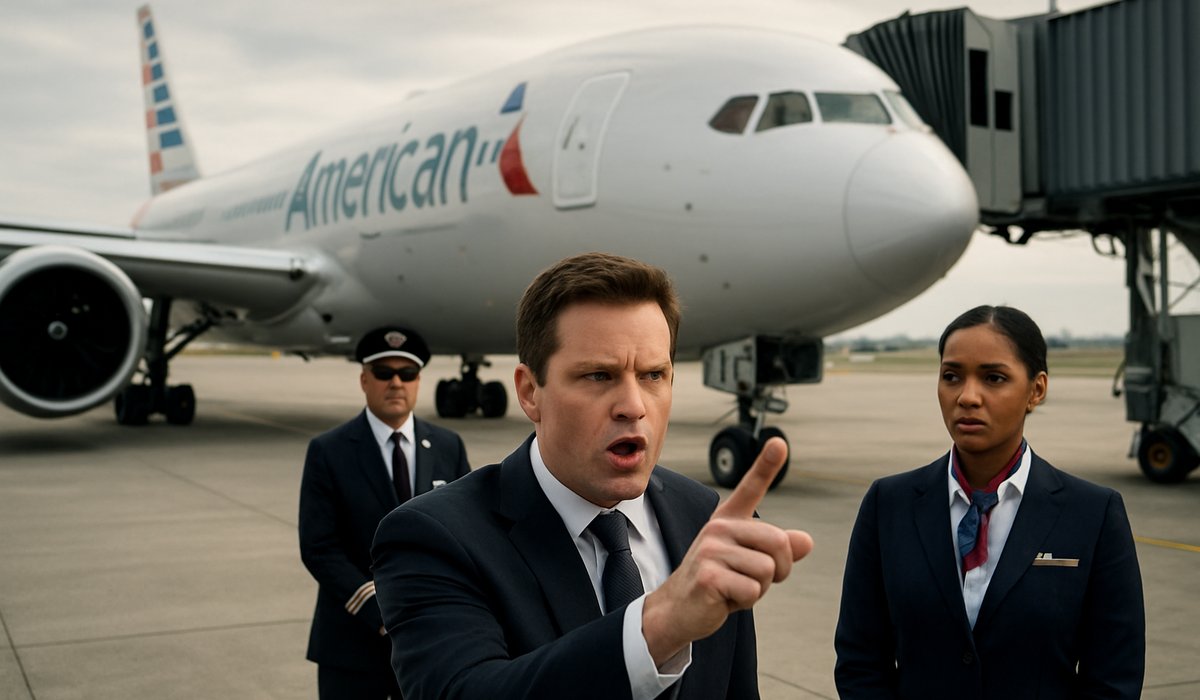
Image generated by AI
American Airlines Faces Congressional Backlash Over Extended Flight Delay Costing Lawmakers Critical Votes
Operational failures during peak travel season reignite debate over airline reliability and service standards
A significant flight disruption at American Airlines has triggered sharp criticism from Capitol Hill, with a U.S. congressman publicly denouncing the carrier's operational performance after the delay prevented him and two colleagues from attending crucial House votes. The incident underscores mounting pressure on major airlines to maintain service reliability during high-demand travel periods, even as industry-wide challenges—from jet fuel price volatility to crew scheduling constraints—continue to strain operations.
The Incident and Political Fallout
Congressman Max Miller leveled direct criticism at American Airlines following an extended departure delay that left three members of Congress unable to reach Washington in time for legislative proceedings. Miller's public condemnation—calling the carrier "incompetent"—reflects growing frustration among frequent travelers and policymakers over recurring flight disruptions that cascade into real-world consequences beyond missed connections.
The timing of the delay during peak travel season amplifies concerns about whether major carriers possess adequate operational infrastructure and contingency planning to manage demand surges without compromising service commitments.
Broader Industry Pressures
The incident arrives amid a challenging operational environment for American Airlines and its competitors. The aviation industry continues grappling with persistent headwinds: volatile jet fuel prices remain elevated due to geopolitical tensions, staffing shortages plague ground and flight operations, and infrastructure limitations at congested hubs create bottlenecks that cascade into cascading delays.
These systemic pressures, combined with industry-wide baggage charges and ancillary fee structures that have become standard practice, are reshaping passenger expectations and eroding goodwill toward carriers perceived as struggling with basic operational competence.
Industry-Wide Reliability Concerns
The criticism leveled at American Airlines reflects broader scrutiny of airline performance metrics. As carriers have increasingly relied on baggage fees, seat selection charges, and other ancillary revenue streams to offset operational costs and fuel expenses, passengers have demanded reciprocal improvements in core service delivery—punctuality, schedule adherence, and professional customer communication.
Flight delays carry measurable economic consequences: missed business meetings, forfeited votes, disrupted travel plans, and damaged brand reputation. For elected officials, such disruptions raise questions about whether premium-paying passengers receive proportional service quality.
What's Next
The congressional criticism likely intensifies regulatory scrutiny on airline operational standards. Industry observers expect continued pressure on carriers to demonstrate improved reliability metrics, particularly during high-demand periods when operational margins narrow and system stress becomes evident.
American Airlines has not yet issued a detailed public statement addressing the specific delay or the congressman's criticism.
FAQ: Airline Delays, Service Standards, and Your Travel Rights
Why do airline delays happen during peak travel seasons? Peak travel periods strain airport infrastructure, crew schedules, and maintenance windows. Jet fuel price fluctuations and weather disruptions compound operational challenges.
Can passengers claim compensation for airline delays? U.S. regulations typically don't mandate monetary compensation for domestic delays, though some international routes and specific circumstances may qualify under DOT guidelines.
How do baggage charges and airline fees relate to service quality? As carriers implement additional fees (baggage, seat selection), passengers increasingly expect improvements in core services like punctuality and operational reliability to justify higher total travel costs.
What regulatory oversight exists for airline operations? The Department of Transportation monitors carrier performance through complaint databases and enforcement actions, though direct service standards remain limited compared to international aviation frameworks.
How can travelers minimize delay risks? Book earlier flights, avoid connecting itineraries during peak periods, monitor airline operational metrics through third-party tracking services, and maintain flexible booking options when possible.
Related Travel Guides
-
1,572 Flight Delays and 116 Cancellations Paralyze Chinese Aviation on June 5, 2026
-
Flight Attendants Conduct Covert Security Assessment on Every Passenger Within Seconds of Boarding
External Resources
Disclaimer
This article is for informational and educational purposes only. It does not constitute legal, financial, or professional advice. While we strive to provide accurate and up-to-date information, travel policies, regulations, and conditions change rapidly. Always verify information with official sources before making travel decisions. Nomad Lawyer makes no representations about the accuracy, reliability, completeness, or suitability of the information provided. Readers should consult qualified professionals for advice specific to their circumstances. The views expressed in this article are those of the author and do not necessarily reflect the views of Nomad Lawyer.
Raushan Kumar
Founder & Lead Developer
Full-stack developer with 11+ years of experience and a passionate traveller. Raushan built Nomad Lawyer from the ground up with a vision to create the best travel and law experience on the web.
Learn more about our team →