
America Travel Shift: CVB Vision Helps Star City Create Authentic Visitor Experiences
America Travel Shift: CVB Vision Helps Star City Create Authentic Visitor Experiences

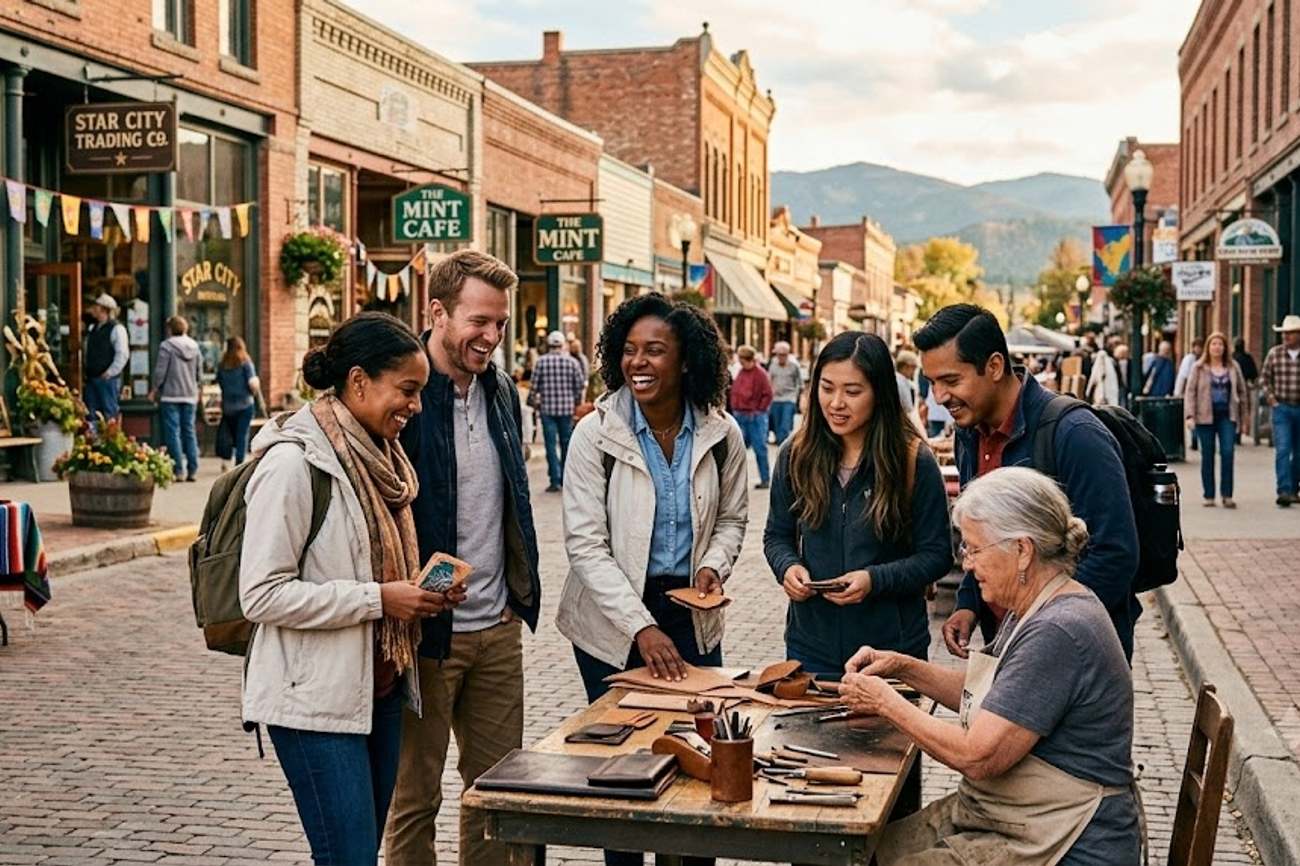
Image generated by AI
The transition of American tourism from a volume-based model to a value-based model is evidenced by the strategic pivot of Convention & Visitors Bureaus (CVBs) toward community-centric management. This shift marks a departure from the traditional "attraction-first" marketing strategy, moving instead toward a holistic ecosystem where the visitor's journey is mapped across every single touchpoint—from the clarity of road signage and the efficiency of parking to the quality of a casual interaction with a local resident. For the modern traveler, the value proposition has shifted from the "checklist" approach of visiting famous landmarks to a search for authentic, unmanufactured connections with the people and culture of a destination.
The Structural Evolution of Destination Management
Historically, the American tourism machine operated on a linear promotional model. Convention & Visitors Bureaus functioned primarily as advertising agencies for their respective cities, focusing on high-visibility campaigns designed to drive raw passenger counts and hotel occupancy rates. This "top-of-funnel" approach prioritized the attraction of the visitor but often neglected the actual experience once the traveler arrived.
The current transformation sees CVBs evolving into strategic connectors. They are no longer just promoting a city; they are coordinating a complex web of stakeholders. This includes local municipal governments, hospitality providers, event organizers, and community groups. By acting as the glue between these disparate entities, CVBs are attempting to synchronize the visitor experience. When a city’s chamber of commerce, its transit authority, and its small business owners operate under a unified vision, the resulting travel experience feels seamless rather than fragmented.
This systemic change is particularly visible in how destinations now view the "visitor journey." Rather than seeing a trip as a series of isolated stops at museums or parks, leaders are analyzing the friction points of travel. This includes the arrival process at airports or train stations, the intuitiveness of local navigation, and the hospitality encountered in non-tourism businesses. The realization is simple: a world-class museum cannot compensate for a hostile parking experience or a rude interaction at a local diner.
The Economics of Authenticity and Local Identity
For smaller American destinations, the inability to compete with the global brand recognition of cities like New York or Las Vegas has forced a strategic pivot toward authenticity. These regions are discovering that their lack of "mega-attractions" is actually a competitive advantage for a growing segment of travelers who shun manufactured tourism in favor of genuine community immersion.
The economic ripple effect of this approach is significant. When a destination focuses on "leading like a local," it encourages visitors to engage with a broader spectrum of the local economy. Instead of spending the entirety of their budget at a single corporate attraction, the experience-focused traveler distributes their spending across:
| Economic Touchpoint | Impact of Community-Driven Tourism |
|---|---|
| Local Hospitality | Increased occupancy in boutique hotels and B&Bs over chain resorts |
| Gastronomy | Higher spend at independent eateries and regional food markets |
| Retail | Growth in artisan shops and community-owned boutiques |
| Transit | Increased utilization of local transport and regional tour operators |
| Culture | Higher attendance at grassroots festivals and community museums |
By integrating local traditions, regional cuisine, and community storytelling into the official tourism narrative, smaller towns are increasing the average length of stay. A visitor who comes for a specific event but feels a genuine connection to the community is far more likely to extend their trip, thereby increasing the total economic injection into the local ecosystem.
Expert Analysis: The Shift from Promotion to Curation
For the traveler booking a trip to a mid-sized American city today, the direct consequence of this shift is a move toward "curated discovery." We are seeing the death of the generic tourism brochure and the rise of the community-integrated experience. This is a response to a broader market consolidation where global brands have made cities look identical; the only remaining differentiator is the "soul" of the place—its people and its unique local quirks.
To enhance authentic visitor engagement, the city is aligning its infrastructure with the strategic growth initiatives outlined by Visit the USA, the official destination marketing organization for the United States. This shift focuses on diversifying tourism offerings to move beyond traditional landmarks and highlight local cultural heritage.
The pricing pressure created by this trend is subtle but real. As destinations move away from mass-market tourism toward high-value, authentic experiences, we can expect a shift in how services are priced. Authentic experiences are harder to scale than mass attractions. When a destination prioritizes "meaningful moments" over "passenger volume," it effectively moves up the value chain. This means that while the number of visitors might not always increase, the revenue per visitor often does, as travelers are willing to pay a premium for exclusivity and authenticity.
Furthermore, this strategy mitigates the "tourism backlash" often seen in over-visited cities. By involving residents in the leadership process and ensuring that tourism growth aligns with community identity, destinations avoid the friction between locals and visitors. For the nomad or the long-term traveler, this results in a more welcoming environment where they are viewed as guests rather than intrusions. The integration of resources from the U.S. Travel Association and guidance from the International Air Transport Association (IATA) suggests that the future of regional travel depends on this balance of accessibility and preservation.
Key Takeaways
- Holistic Journey Mapping: Modern tourism success is now measured by the entire visitor experience—including parking, signage, and resident interactions—rather than just the quality of primary attractions.
- CVB Role Expansion: Convention & Visitors Bureaus have transitioned from simple marketing arms to complex coordinators between local government, businesses, and community residents.
- Authenticity as a Asset: Smaller destinations are successfully competing with major hubs by leveraging their unique local identities and "unmanufactured" community stories.
- Economic Diversification: Community-driven strategies spread tourist spending across a wider array of local businesses, increasing the overall economic resilience of the region.
- Resident-Centric Growth: The new era of USA travel prioritizes the protection of local identity to ensure that tourism remains sustainable and welcomed by the people living in these destinations.
FAQ: USA Community Tourism 2024
How does "community-driven tourism" change my experience as a visitor? You will find fewer "tourist traps" and more recommendations for local-owned businesses. The focus shifts from checking off landmarks to engaging in regional traditions, eating at authentic eateries, and interacting with residents in a more natural, less commercialized environment.
Why are smaller towns becoming more popular than big cities for some travelers? Many travelers are experiencing "big city burnout" and seek authentic connections. Smaller destinations offer unique heritage, slower paces, and a sense of place that is often lost in the homogenized environment of major global tourism hubs.
Will this shift make traveling to these destinations more expensive? Not necessarily, but the nature of spending changes. While mass-market tickets may be replaced by boutique experiences, the overall cost is often balanced by exploring local markets and community events rather than high-priced corporate attractions.
What is the role of a CVB when I plan a trip? Modern CVBs provide more than just lists of hotels; they offer deep destination knowledge and connections to local experiences that aren't always visible on major booking sites, helping you find the "hidden gems" of a region.
The future of American travel is no longer about where you go, but how the place makes you feel once you arrive.
Tags: Convention and Visitors Bureaus, USA Regional Tourism, Destination Management, Community-Based Tourism, US Travel Trends 2024, Authentic Travel Experiences
Related Travel Guides
Disclaimer
This article is for informational and educational purposes only. It does not constitute legal, financial, or professional advice. While we strive to provide accurate and up-to-date information, travel policies, regulations, and conditions change rapidly. Always verify information with official sources before making travel decisions. Nomad Lawyer makes no representations about the accuracy, reliability, completeness, or suitability of the information provided. Readers should consult qualified professionals for advice specific to their circumstances. The views expressed in this article are those of the author and do not necessarily reflect the views of Nomad Lawyer.
Preeti Gunjan
Contributor & Community Manager
A passionate traveller and community builder. Preeti helps grow the Nomad Lawyer community, fostering engagement and bringing the reader experience to life.
Learn more about our team →