
Discover How Jakarta Is Rapidly Becoming Asia’s Ultimate Fashion and Culinary Tourism Capital
Discover How Jakarta Is Rapidly Becoming Asia’s Ultimate Fashion and Culinary Tourism Capital

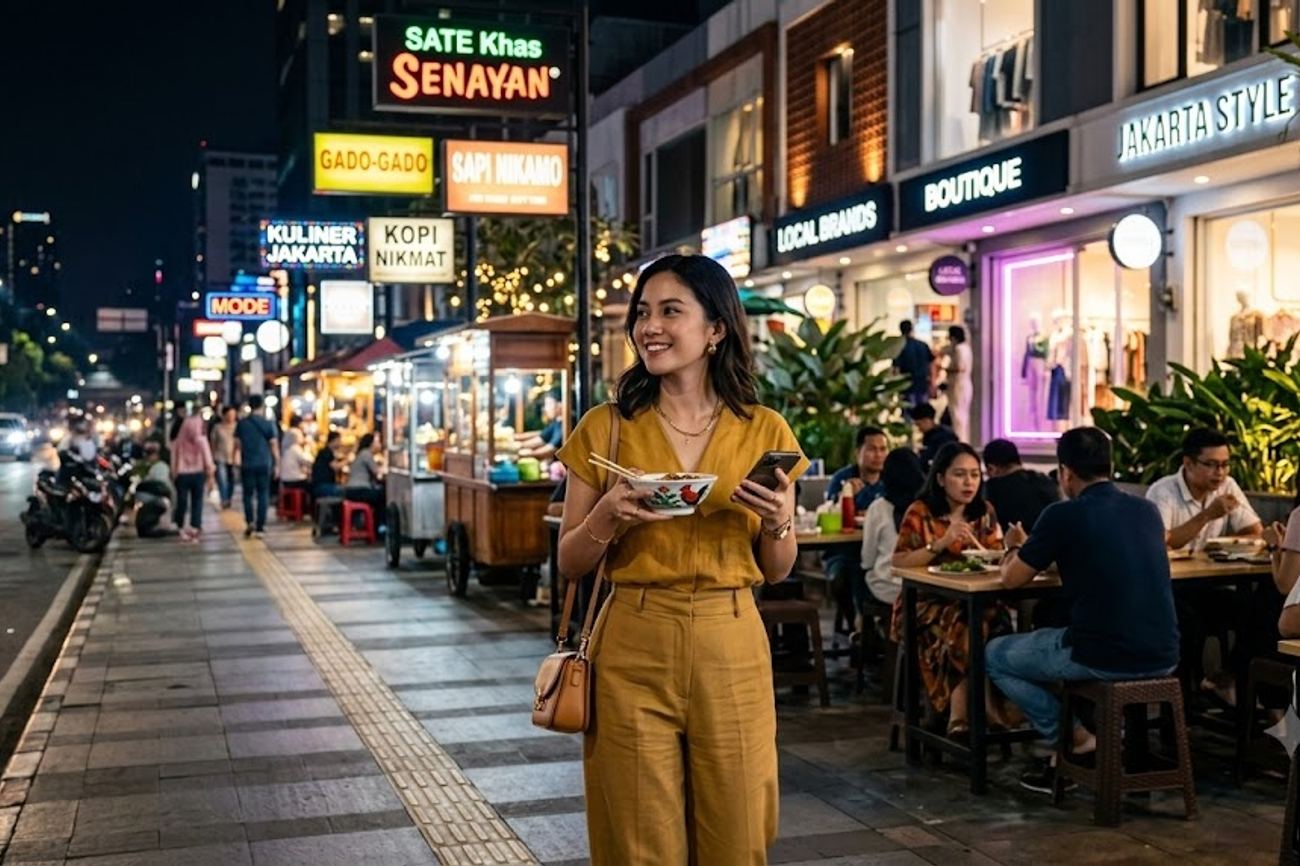
Image generated by AI
While Bangkok and Singapore have historically dominated the luxury retail sector in Southeast Asia, Jakarta is currently experiencing an aggressive pivot toward "lifestyle tourism" that leverages the Indonesian creative economy as its primary engine. This shift is not merely a marketing exercise but a strategic economic diversification effort by the Indonesian government to transition the capital from a transit-heavy metropolitan hub into a primary destination for high-spend, style-conscious travelers.
The Creative Economy in Numbers: Jakarta's Growth Engine
The transformation of Jakarta is underpinned by a systemic investment in the creative sector. Data from the Indonesian Ministry of Tourism and Creative Economy indicates that fashion and culinary arts are no longer peripheral industries but are now primary economic drivers for the nation. This growth is being fueled by a targeted influx of digital influencers from key regional markets—specifically Malaysia, Singapore, and the Philippines—who are shifting the city's perception from a business center to a retail destination.
The government's strategy involves a three-pronged approach: infrastructure modernization, the creation of pedestrian-friendly lifestyle districts, and the establishment of designer incubators. By integrating luxury megamalls with independent concept stores, Jakarta is creating a high-density retail environment designed to increase the average daily spend per visitor. According to global travel patterns tracked by the World Travel & Tourism Council (WTTC), there is a growing regional preference for "experiential" travel over passive sightseeing, a trend that Jakarta is exploiting by blending high-fashion retail with avant-garde gastronomy.
Comparative Context: The Shift in Regional Retail Dominance
Historically, the "Shopping Triangle" of Southeast Asia consisted of Singapore, Bangkok, and Kuala Lumpur. However, Jakarta is disrupting this hierarchy by positioning itself as the center for "avant-garde local design." Unlike the standardized luxury offerings found in Singapore's Orchard Road, Jakarta is emphasizing a hybrid model where global luxury brands coexist with reimagined traditional textiles, such as hand-woven tenun and batik.
The competitive landscape has shifted from purely international brand availability to the curation of "cultural authenticity" within a luxury framework. This is evident in the rise of districts like Senopati and Blok M in South Jakarta, which cater to a demographic that prizes independent curation over mass-market luxury.
| Metric | Traditional Hubs (BKK/SIN) | Emerging Jakarta Model | Trend Direction |
|---|---|---|---|
| Primary Driver | International Brand Presence | Creative Economy/Local Design | $\rightarrow$ Localism |
| Tourist Profile | General Sightseers/Shoppers | Digital Creators/Style Seekers | $\rightarrow$ Niche High-Spend |
| Retail Structure | Centralized Luxury Districts | Hybrid (Megamalls + Concept Hubs) | $\rightarrow$ Decentralized |
| Core Appeal | Standardized Luxury Experience | Cultural Renaissance/Avant-Garde | $\rightarrow$ Experiential |
| Govt. Strategy | Tourism Volume Growth | Economic Diversification | $\rightarrow$ Value-Added Spend |
This transition reflects a broader movement in the Asia-Pacific region toward "Creative Tourism," where the visitor's goal is to engage with the local artistic process. By funding designer incubators and streamlining visa policies for regional shoppers, Indonesia is attempting to capture a larger share of the luxury retail market currently held by its neighbors. For more on regional travel growth metrics, Statista provides comprehensive data on the rising middle-class spending power across ASEAN nations.
Practical Traveler Advisory and Strategic Insights
The data indicates a shift in how Jakarta should be approached by the modern traveler. The city is no longer a place to simply "pass through" on the way to Bali; it is now a destination for a multi-day, curated itinerary.
If you are planning a visit to Jakarta in the coming quarters, the following data-backed strategies are recommended:
- Neighborhood-Specific Planning: Do not treat the city as a monolith. For international designer flagships and high-volume luxury, focus your time in Central Jakarta (specifically Senayan and Grand Indonesia). For independent Indonesian designers and vintage curation, allocate a full day to South Jakarta, specifically the Senopati and Blok M corridors.
- The Synergy of "Retail-Dining": The city has integrated its culinary and fashion sectors. Many of the most significant fashion showrooms are now housed within the same complexes as award-winning rooftop lounges and fusion cafes. To maximize efficiency, book dining reservations that are physically adjacent to your retail targets.
- Timing for "Style Seekers": Align your visit with official government-backed fashion weeks and seasonal shopping festivals. These events often provide exclusive access to local couturiers like Didiet Maulana and Ria Miranda, whose work represents the intersection of traditional batik and contemporary global silhouettes.
- Logistics: Given the focus on "pedestrian-friendly districts" mentioned in government initiatives, travelers should prioritize hotels within the South Jakarta creative hubs to avoid the metropolitan transit congestion that historically plagued the city.
Forward Projection: The Next Decade of Asian Style
Based on current trajectories, Jakarta is positioned to become the primary exporter of "Modern Indonesian" style to the global market. The aggressive support for local designer incubators suggests that we will see a surge in Indonesian brands appearing in global fashion capitals within the next 3-5 years.
Furthermore, the integration of "sensory immersion"—pairing single-origin Indonesian coffee and regional spices with high-fashion retail—is a blueprint that other Southeast Asian capitals will likely emulate. As the International Air Transport Association (IATA) continues to monitor the recovery and growth of intra-regional flights, the increase in short-haul trips from Singapore and Malaysia to Jakarta suggests a permanent shift in regional travel habits. The "lifestyle trip" is replacing the "sightseeing trip," and Jakarta is currently the primary laboratory for this evolution.
FAQ: Jakarta Fashion Tourism 2024
Will luxury retail prices in Jakarta be higher than in Singapore? While global brands maintain similar pricing, Jakarta offers a significant value advantage in the "contemporary luxury" segment. Local designers providing high-end batik and tenun often offer superior craftsmanship at a more competitive price point than imported luxury goods.
Is this a good time to book a trip to Jakarta for shopping? Yes. With the current government push for "creative economy" tourism, there are more streamlined visa policies and a higher concentration of pop-up events and fashion festivals than in previous years.
Which areas are best for finding independent designers? South Jakarta is the primary hub. Specifically, the Senopati and Blok M areas are the epicenters for avant-garde concept stores and independent boutiques that champion local craftsmanship over global brands.
How does the culinary scene integrate with the shopping experience? Jakarta utilizes a "complex model" where high-end dining, rooftop lounges, and fashion showrooms are co-located. This allows travelers to transition from retail to gastronomy without leaving the architectural complex.
Jakarta is no longer just a stopover; it is the new blueprint for the experiential luxury capital of Asia.
Tags: Jakarta-Creative-Economy-2024, Indonesia-Fashion-Tourism-Growth, ASEAN-Retail-Shift, South-Jakarta-Style-Hub, Batik-Contemporary-Market
Related Travel Guides
Disclaimer
This article is for informational and educational purposes only. It does not constitute legal, financial, or professional advice. While we strive to provide accurate and up-to-date information, travel policies, regulations, and conditions change rapidly. Always verify information with official sources before making travel decisions. Nomad Lawyer makes no representations about the accuracy, reliability, completeness, or suitability of the information provided. Readers should consult qualified professionals for advice specific to their circumstances. The views expressed in this article are those of the author and do not necessarily reflect the views of Nomad Lawyer.
Raushan Kumar
Founder & Lead Developer
Full-stack developer with 11+ years of experience and a passionate traveller. Raushan built Nomad Lawyer from the ground up with a vision to create the best travel and law experience on the web.
Learn more about our team →