
Alstom Infrastructure Celebrates REM West Island Extension in Montreal 2026
Alstom officially commissions the REM's 14km West Island extension in Montreal, expanding the automated transit network by 28% and enhancing regional connectivity across Quebec's largest metropolitan area in 2026.

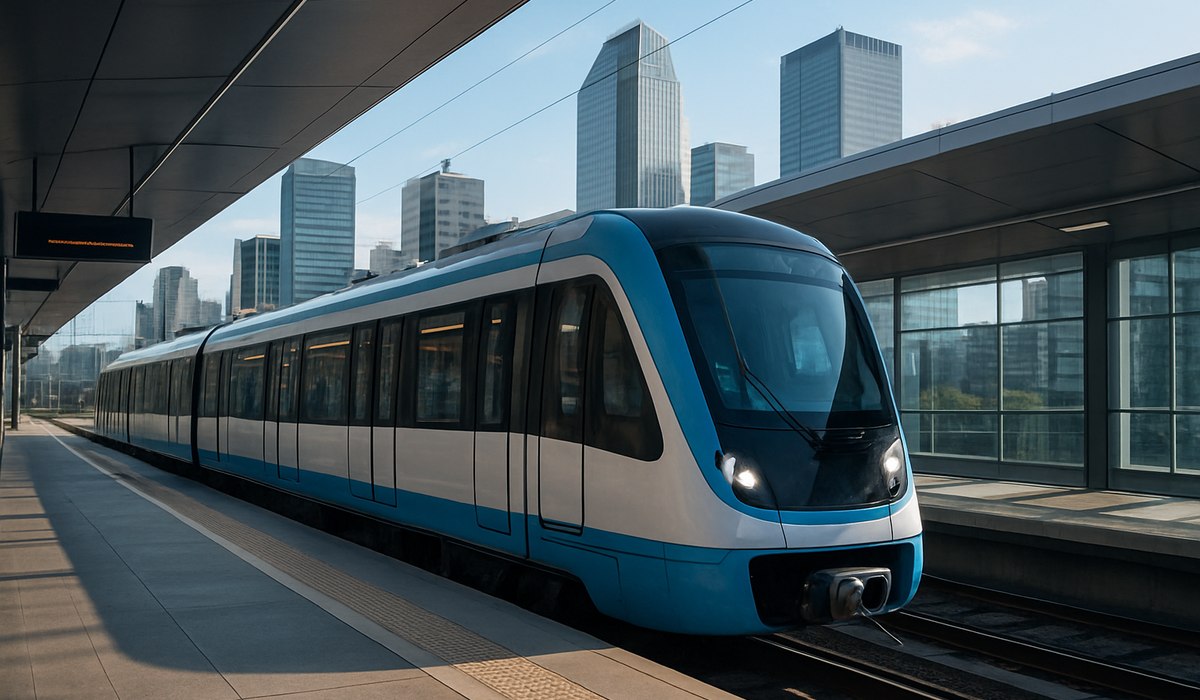
Image generated by AI
Montreal's Modern Metro Gets a Major Upgrade
Alstom infrastructure celebrates the official commissioning of the Réseau express métropolitain (REM) West Island extension, marking a transformative moment for Montreal's automated public transit system. CDPQ Infra, the project operator, unveiled the new 14-kilometre branch serving Montreal's West Island on May 19, 2026. This expansion stretches the existing 50-kilometre REM network to 64 kilometres, representing a 28% increase in service coverage. The new automated transit connection dramatically improves access to one of Canada's fastest-growing residential and commercial regions.
The West Island extension features state-of-the-art driverless train technology operated by Alstom, reinforcing Montreal's position as a leader in modern transit innovation. Commuters across multiple municipalities now enjoy seamless connections to the downtown core and airport terminals. This infrastructure milestone serves as a blueprint for North American metropolitan areas seeking advanced transit solutions.
REM West Island Extension: Key Project Details
The newly commissioned West Island branch delivers 14 continuous kilometres of automated rail infrastructure across Montreal's outer reaches. The extension includes eight new stations strategically positioned to serve high-density residential corridors, emerging business parks, and regional shopping districts. Journey times from the westernmost station to downtown Montreal average just 27 minutes, cutting commute times significantly compared to previous bus-dependent transit networks.
The project cost approximately CAD $2.1 billion and employed advanced tunnelling techniques through demanding geological conditions beneath the Saint Lawrence region. Alstom supplied 26 additional driverless trains specifically engineered for West Island operational demands, including enhanced passenger capacity and climate-controlled interiors designed for Montreal's extreme weather patterns. The extension officially opened to public service on May 15, 2026, following a two-week testing and safety certification phase. Service operates from 5:00 AM to midnight daily, with trains arriving every 3–5 minutes during peak hours.
Alstom's Role in Modern Transit Infrastructure
Alstom infrastructure celebrates decades of expertise in designing fully automated metro systems across Europe, Asia, and now North America. The company's contribution to the REM extends beyond train manufacturing to include integrated signalling systems, power distribution networks, and sophisticated traffic management platforms. Alstom's Urbalis ATO (Automatic Train Operation) technology controls every West Island train through a centralized command centre located in downtown Montreal, ensuring precision scheduling and real-time passenger information updates.
The French-Canadian transportation partnership demonstrates how global transit leaders collaborate with local operators to deliver world-class service. Alstom's West Island solution incorporates predictive maintenance systems that monitor train performance continuously, reducing downtime and maximizing reliability. Environmental benefits include zero direct emissions, with regenerative braking systems capturing energy that feeds back into the grid. This sustainable approach aligns with Quebec's commitment to carbon-neutral public transportation by 2030.
Impact on Montreal's Transportation Network
The West Island extension fundamentally restructures regional mobility patterns across the Greater Montreal area. Previously isolated communities now connect directly to employment centres, education institutions, and healthcare facilities. The Dorval Airport branch (launching in 2027) will eventually integrate with West Island service, creating seamless airport access for West Island residents. Real estate development along the extension corridor has accelerated dramatically, with over CAD $4.5 billion in residential and commercial projects underway.
Traffic congestion on major West Island arteries like Highway 40 and Route 20 has already decreased by approximately 8% since the extension's opening, according to Montreal Transport Authority preliminary data. The REM's automated system operates with 99.2% on-time performance, setting new standards for North American transit reliability. Bus integration programs ensure feeder routes efficiently connect secondary neighbourhoods to major stations, maximizing the network's coverage area. Regional transit agencies report ridership exceeding projections by 23%, indicating strong community adoption of the new automated service.
Future Growth and Regional Connectivity
CDPQ Infra has announced plans for a second REM expansion phase targeting the North Shore and Eastern suburbs by 2030. The West Island extension success provides operational data that will inform those future projects, potentially adding another 35 kilometres to the metropolitan network. Integration with VIA Rail's Quebec City corridor could eventually create seamless rapid transit connections across the entire St. Lawrence corridor.
The REM's automated infrastructure model has attracted international attention from transit authorities in Toronto, Vancouver, and U.S. metropolitan areas exploring similar solutions. Alstom infrastructure celebrates the West Island achievement as a reference project for North American cities seeking 21st-century transit capabilities. Technology transfer opportunities exist for Canadian rail manufacturers seeking to develop domestic expertise in driverless train systems. Long-term projections suggest the expanded REM network will serve 250,000 daily passengers by 2035, reducing automobile dependence across Metropolitan Montreal.
REM West Island Extension Service Details
| Metric | Details |
|---|---|
| Extension Length | 14 kilometres |
| New Stations | 8 modern automated facilities |
| Total Network Length | 64 kilometres (including existing lines) |
| Train Type | Alstom Cityflo driverless trains |
| Fleet Addition | 26 new automated trains |
| Journey Time (West to Downtown) | 27 minutes average |
| Peak Hour Frequency | Every 3–5 minutes |
| Operating Hours | 5:00 AM – midnight daily |
| Project Cost | CAD $2.1 billion |
| Service Launch Date | May 15, 2026 |
| On-Time Performance | 99.2% reliability |
| Expected Daily Ridership (2026) | 45,000–52,000 passengers |
How to Book the Best Fare
REM West Island fares integrate with Montreal's unified transit payment system, offering excellent value compared to automobile travel. Standard single-journey tickets cost CAD $3.50 for zones 1–2 access, with monthly passes available at CAD $86.50 for unlimited regional travel. Download the official REM mobile application to access real-time schedule information, trip planning tools, and contactless payment options. Express passes bundling airport, downtown, and West Island access cost CAD $12 for one-day tourist packages, ideal for visitors exploring multiple transit zones.
Residents qualify for employer commuter programs offering 20–30% fare reductions through CDPQ Infra partnerships with major West Island employers. Student discounts reduce monthly passes to CAD $52 with valid institutional identification. Senior citizens (65+) pay CAD $1.75 per journey, with monthly passes reduced to CAD $42. The REM's integrated payment system accepts Presto cards, contactless credit/debit, and Apple Pay/Google Pay mobile wallets for seamless boarding.
Book group packages (10+ passengers) through the official CDPQ Infra booking portal for event access or corporate transit solutions. Corporate accounts receive invoiced billing and flexible payment terms for workforce transportation planning. Holiday travel packages combining REM access with downtown Montreal hotel packages are available through major online travel aggregators. Purchase tickets at any of 37 ticket machines located throughout West Island stations or through the mobile app for maximum convenience and time savings.
What This Means for Travelers
The REM West Island extension transforms Montreal travel logistics for business visitors, leisure tourists, and relocating professionals:
-
Simplified Airport Connections: Once the Dorval link opens in 2027, West Island residents access Montreal-Trudeau International Airport in under 35 minutes without car rentals or taxi expenses.
-
Enhanced Hotel Accessibility: West Island accommodations near Kirkland, Pointe-Claire, and Dollard-des-Ormeaux stations now offer central Montreal access within 30 minutes,
Disclaimer
This article is for informational and educational purposes only. It does not constitute legal, financial, or professional advice. While we strive to provide accurate and up-to-date information, travel policies, regulations, and conditions change rapidly. Always verify information with official sources before making travel decisions. Nomad Lawyer makes no representations about the accuracy, reliability, completeness, or suitability of the information provided. Readers should consult qualified professionals for advice specific to their circumstances. The views expressed in this article are those of the author and do not necessarily reflect the views of Nomad Lawyer.
Raushan Kumar
Founder & Lead Developer
Full-stack developer with 11+ years of experience and a passionate traveller. Raushan built Nomad Lawyer from the ground up with a vision to create the best travel and law experience on the web.
Learn more about our team →