
Istanbul Metro Fleet Order: €871.2M Financing for 422 New Cars
Istanbul's municipal council approves €871.2 million financing to acquire 422 metro cars for network expansions. The investment supports Line M1B and Line M5 extensions serving millions of commuters across Europe and Asia sides of the city in 2026.

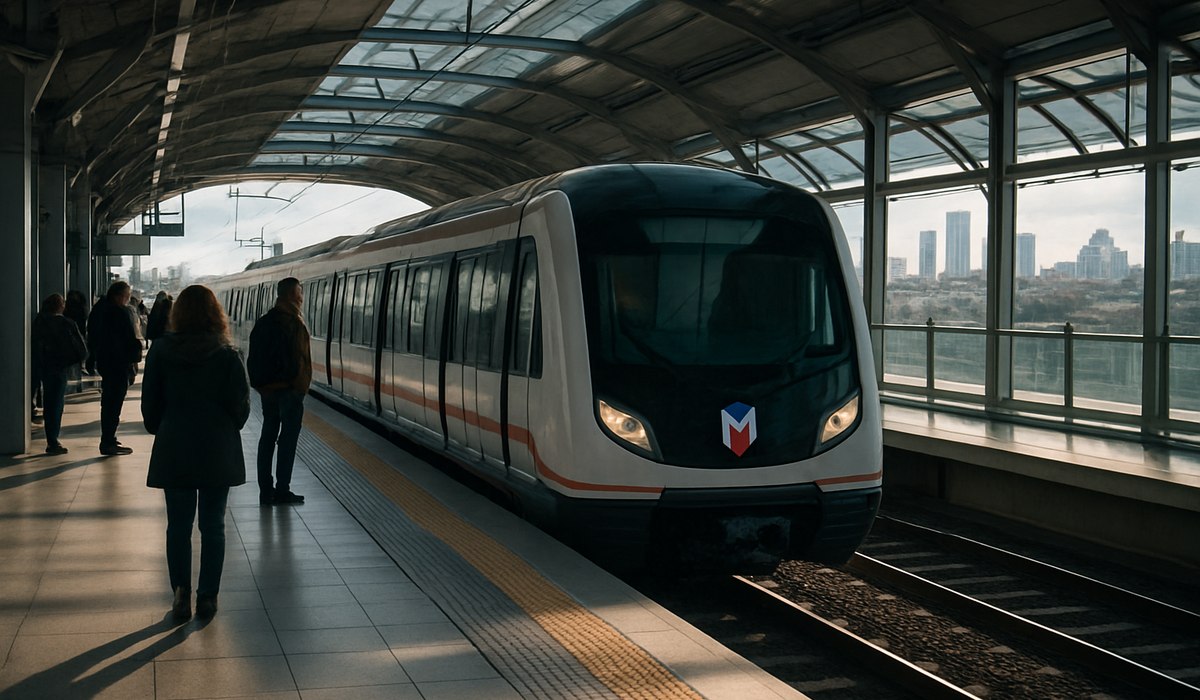
Image generated by AI
Istanbul's €871.2M Fleet Investment Approved
Istanbul's municipal council has greenlit an €871.2 million financing plan to purchase 422 new metro cars for two major network expansions. The funding combines external borrowing, domestic bonds, and international market instruments to support the city's ambitious metro growth strategy. This capital investment marks a significant milestone for Istanbul metro fleet order implementation, addressing surging commuter demand across the sprawling metropolis that straddles Europe and Asia.
The municipality structured the financing to deploy resources strategically across both sides of the Bosphorus. Metro Istanbul currently operates a 380-kilometer network with 87 kilometers under active construction. By securing this financing, city planners advance their long-term vision of reaching a 717-kilometer metro network by 2040, transforming how millions of residents navigate daily transit.
Line M1B European Extension: 272 Cars for Growing Bagcilar Districts
The European side expansion receives €571.2 million in allocated funding to acquire 272 metro cars for the Line M1B extension. This 9.7-kilometer stretch will extend from Kirazli station through to Halkali, adding nine new stations across densely populated Bagcilar and Kucukcekmece districts. These neighborhoods have experienced explosive residential growth, creating acute transportation bottlenecks during peak commuting hours.
The M1B extension directly addresses housing development patterns along Istanbul's European corridor. Over one million residents in the expanded service area currently depend on bus networks and shared minibuses for long-distance commutes. Once operational, the new metro service will provide rapid, climate-controlled transit reducing journey times by 40-50 percent compared to surface transport. This Istanbul metro expansion phase prioritizes connecting suburban residential zones to central employment districts, enabling easier workforce mobility and economic integration.
For current transit schedules and updates, visit the official Metro Istanbul operator website.
Line M5 Driverless Extension: 150 Cars Connect Asian Suburbs
The Asian side investment allocates €300 million toward purchasing 150 metro cars for the Line M5 extension. This 11-kilometer driverless line connects Cekmekoy to the rapidly developing suburb of Sultanbeyli. The initial 6.5-kilometer section from Cekmekoy to Samandira Merkez entered service in March 2024, demonstrating successful automated operations.
Line M5 represents cutting-edge metro technology with fully automated train control systems. The Sultanbeyli extension will serve a growth corridor experiencing sharp increases in population density and commercial activity. Current projections estimate the completed line will accommodate 300,000 daily passengers by 2030. The driverless technology allows higher frequency services, reducing headways to three minutes during peak periods compared to six-minute intervals on conventional lines.
Sultanbeyli's transformation from peripheral village to suburban commercial hub depends heavily on reliable transit connectivity. The M5 extension enables residents to reach employment centers in Maslak and Levent in under 45 minutes, compared to 90-minute journeys via existing surface routes. This metro financing initiative catalyzes broader economic development patterns across Asian Istanbul.
Learn more about automated transit systems through international rail infrastructure resources.
Istanbul's Path to 717km Metro Network by 2040
Istanbul's strategic expansion roadmap transforms the city's transit landscape through 2040. The current 380-kilometer network grows by 337 kilometers through this long-term development strategy. With 87 kilometers currently under construction and 422 new fleet cars approved, the city advances systematically toward comprehensive metro coverage across all major districts.
The expansion strategy prioritizes suburban connectivity, economic development corridors, and population centers experiencing rapid growth. Metro Istanbul coordinates with municipal planning to ensure transit infrastructure precedes or accompanies residential and commercial construction. This integrated approach prevents the congestion patterns plaguing many global metros where transit lags development.
Achieving the 717-kilometer target requires sustained investment across multiple administration cycles. The Istanbul metro fleet order represents one major component, complemented by ongoing station construction, tunnel boring, and systems integration. By 2040, projections suggest the metro will serve 3.2 billion annual passenger journeys, making it among Europe's highest-capacity networks relative to service area coverage.
Key Data: Istanbul Metro Expansion Overview
| Metric | Details |
|---|---|
| Total Finance Approved | €871.2 million |
| New Metro Cars Ordered | 422 vehicles |
| Line M1B Budget Allocation | €571.2 million for 272 cars |
| Line M5 Budget Allocation | €300 million for 150 cars |
| M1B Extension Length | 9.7 kilometers |
| M5 Extension Length | 11 kilometers |
| M1B New Stations | 9 stations |
| M5 Service Start (Initial) | March 16, 2024 |
| Current Metro Network | 380 kilometers |
| Network Under Construction | 87 kilometers |
| 2040 Target Network | 717 kilometers |
| M1B Districts Served | Bagcilar, Kucukcekmece |
| M5 Terminus | Sultanbeyli |
| Line M5 Technology | Fully automated driverless |
What This Means for Travelers
The Istanbul metro fleet order expansion directly impacts visitors and residents planning transit through 2026-2028. Here are actionable considerations:
-
Expect ongoing construction disruptions in Bagcilar, Kucukcekmece, and Sultanbeyli districts through 2027. Surface traffic will intensify near extension corridors; allow extra travel time or use alternative routes.
-
Plan ahead for future metro access when booking accommodations near Halkali or Sultanbeyli. These emerging transit hubs will offer significantly improved connectivity and may experience property value appreciation.
-
Monitor opening schedules through Metro Istanbul's official channels. Line extensions typically premiere with reduced operating hours before full service implementation.
-
Take advantage of existing 380km network during construction phases. Current metro lines provide comprehensive coverage across central Istanbul and established neighborhoods.
-
Consider metro passes valid across future expansions. Visitor cards purchased in 2026 will remain compatible with new vehicle fleets and extended line segments.
-
Review fare structures as extensions open. Additional zones may introduce revised pricing; check current rates before purchasing multi-day passes.
FAQ: Istanbul Metro Fleet Order Questions
What financing sources funded the €871.2 million investment?
The municipal council approved a combination of external borrowing, domestic bond issuances, international market instruments, and other financial mechanisms. This mixed-source approach distributes risk and leverages Turkey's capital markets alongside international development finance institutions supporting infrastructure investment.
When will the M1B and M5 extensions enter full service?
Official timelines project M1B completion by 2027-2028 and M5 full extension by 2028-2029, pending construction progress and regulatory approvals. Metro Istanbul coordinates with municipal authorities on phased opening schedules for new stations and vehicle deployment.
Will the 422 new metro cars operate on existing lines or only extensions?
The approved fleet acquisition specifically supports the M1B extension (272 cars) and M5 extension (150 cars). These vehicles will not replace existing rolling stock on the current 380-kilometer network, ensuring service continuity while adding capacity on new routes.
How does driverless Line M5 technology differ from conventional metros?
Line M5 uses fully automated train control systems enabling three-minute peak-period headways versus six-minute intervals on traditional lines. Driverless technology reduces operational labor costs, improves schedule precision, and allows increased service frequency supporting higher passenger volumes.
Disclaimer
This article is for informational and educational purposes only. It does not constitute legal, financial, or professional advice. While we strive to provide accurate and up-to-date information, travel policies, regulations, and conditions change rapidly. Always verify information with official sources before making travel decisions. Nomad Lawyer makes no representations about the accuracy, reliability, completeness, or suitability of the information provided. Readers should consult qualified professionals for advice specific to their circumstances. The views expressed in this article are those of the author and do not necessarily reflect the views of Nomad Lawyer.
Kunal K Choudhary
Co-Founder & Contributor
A passionate traveller and tech enthusiast. Kunal contributes to the vision and growth of Nomad Lawyer, bringing fresh perspectives and driving the community forward.
Learn more about our team →