
Albania Emerges As 2027 Travel Hotspot As UK Holidaymakers Seek Value Beaches And Hidden Gems
Albania Emerges As 2027 Travel Hotspot As UK Holidaymakers Seek Value Beaches And Hidden Gems

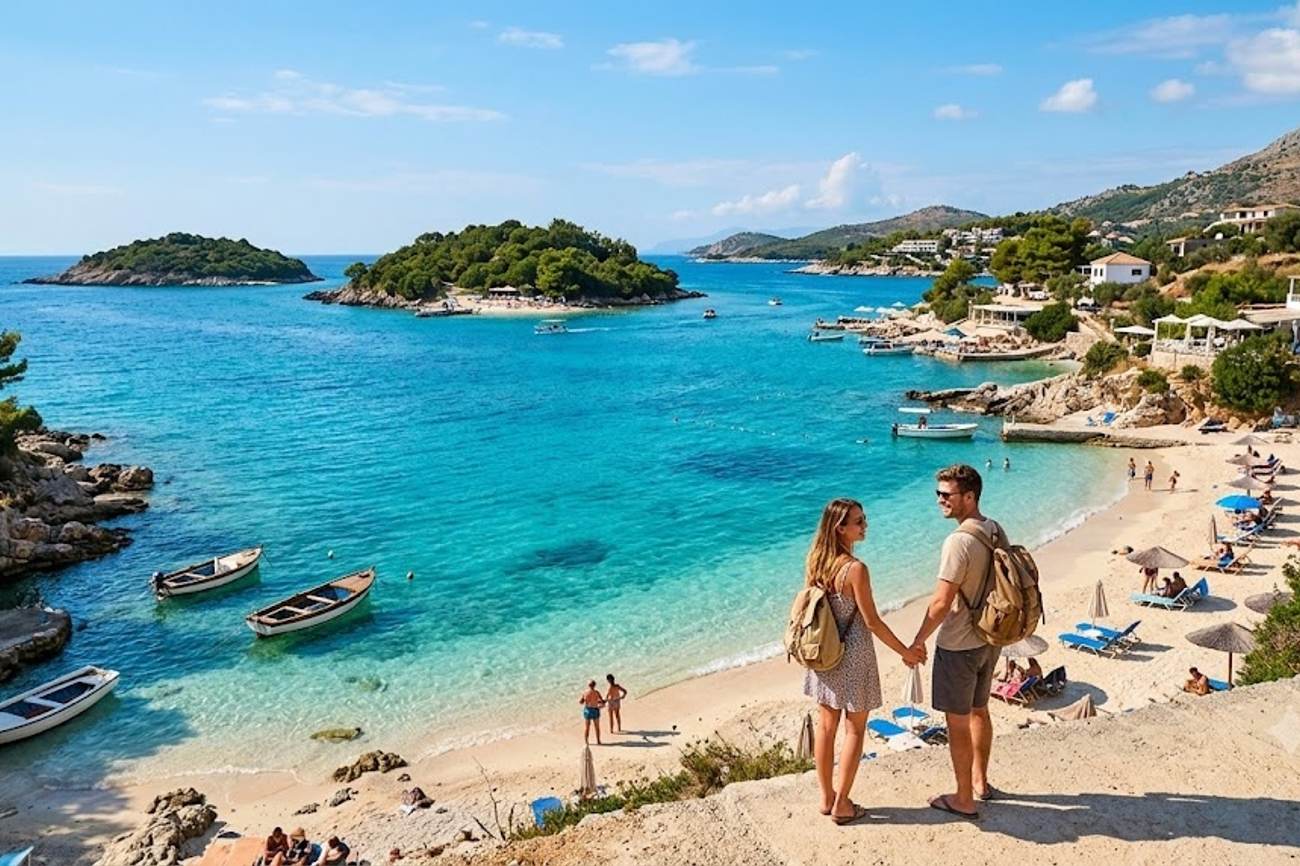
Image generated by AI
[Tirana, October 2024] — Albania is positioning itself as the primary budget-friendly alternative to traditional Mediterranean hubs for UK travelers heading into the 2027 holiday season. The Balkan nation is leveraging a combination of untapped coastlines, rugged mountain ranges, and lower price points to capture a growing segment of the British market currently priced out of Spain and Italy.
The surge in interest follows a documented shift in UK consumer behavior where holidaymakers are prioritizing "value-rich" experiences over simple low-cost options. As the tourism industry in Albania matures, the government and local operators are targeting UK families and adventure seekers who are increasingly avoiding overcrowded tourist traps in favor of the Adriatic and Ionian coasts. This strategic pivot aligns with 2026 travel trends showing that while UK tourists are willing to spend more overall, they are scrutinizing destinations for a higher return on investment regarding authenticity and cost.
The Catalyst for the Balkan Pivot
The primary driver behind Albania's rise is the escalating cost of living and travel within the Eurozone. UK travelers are actively seeking destinations that offer the "Mediterranean aesthetic"—turquoise waters, white sands, and warm climates—without the premium pricing associated with established Western European resorts.
Albania's appeal is rooted in its diverse geography, allowing a single itinerary to encompass three distinct types of tourism: coastal, alpine, and cultural. This versatility allows the country to compete across multiple market segments simultaneously. Furthermore, the rise of all-inclusive packages among UK travelers has created a demand for new, affordable locations where these packages can be offered at a lower entry price than in the Caribbean or Maldives.
Markets and Regions Impacted
The growth is not uniform across the country but is concentrated in specific high-value zones. The following areas are seeing the most significant increase in UK interest:
- The Southern Coast (The "Albanian Riviera"):
- Saranda: Serving as the primary gateway for beachgoers.
- Ksamil: Targeted at luxury-on-a-budget travelers seeking turquoise waters and island hopping.
- Himara and Dhermi: Positioning as "quiet alternatives" for those avoiding the mass tourism of the Mediterranean.
- The Northern Highlands (Adventure Sector):
- Theth and Valbona: These hubs in the Albanian Alps are attracting the hiking and trekking demographic, shifting the country's image from purely a beach destination to an outdoor adventure hub.
- Cultural Heritage Sites (Urban Tourism):
- Berat: Attracting history enthusiasts with its Ottoman-era architecture.
- Gjirokastra: Targeted at travelers seeking preserved stone architecture and heritage walking tours.
Practical Traveler Advisory and Strategic Insights
For the average UK traveler, the shift toward Albania translates to a significant increase in purchasing power. In plain language: your budget goes further here than it does in Mallorca or the Amalfi Coast.
1. Cost Predictability The trend toward all-inclusive bookings means travelers can lock in their food, lodging, and beverage costs before leaving the UK, mitigating the risk of inflation during the trip.
2. Crowd Avoidance Unlike the saturated beaches of Spain, Albania offers "untouched" environments. Travelers can expect fewer queues at major sites and more available space on public beaches, though this is expected to change as 2027 approaches.
3. Diversified Itineraries Travelers no longer have to choose between a "beach holiday" and a "city break." The compact nature of Albania allows for a hybrid trip—starting in the mountains of the North and ending on the beaches of the South—without the extensive travel times required in larger countries like France or Italy.
Albania is expected to welcome a significant increase in UK holidaymakers in 2027, driven by its stunning beaches, rich history, and affordable prices. According to the Albanian Tourism Board, the country has invested heavily in improving its tourism infrastructure, including new hotels, resorts, and transportation links. This makes it an attractive destination for travelers seeking a unique and value-for-money experience.
The 2027 Global Travel Context
Albania's growth is occurring within a volatile global travel calendar. While the country does not host major international events, its growth is tied to a broader trend of "destination diversification."
The 2027 calendar is dominated by massive sporting events that will strain global aviation and hotel capacity. The FIFA Women's World Cup in Brazil, the Men's Rugby World Cup in Australia, and the Ryder Cup in Ireland are expected to drive up long-haul flight prices and hotel rates in those specific regions.
Additionally, a total solar eclipse visible from Spain and North Africa is expected to cause localized surges in travel demand. As these "event-driven" destinations become overpriced and overcrowded, Albania serves as a strategic "escape valve" for travelers who want a high-quality European vacation without the chaos of global event hubs.
The UK travel industry is also seeing a permanent shift toward "shoulder-season" travel. More tourists are booking trips in May, June, September, and October to avoid peak summer heat and pricing. Albania's climate is particularly suited for this flexibility, offering warm temperatures well into the autumn.
Future Outlook and Infrastructure
To sustain this momentum, Albania is focusing on the development of its tourism infrastructure. The goal is to move beyond "budget" status and establish itself as a sophisticated European destination. This includes upgrading road networks connecting the Albanian Alps to the coast and expanding hotel capacities in Saranda and Ksamil.
The UK market's appetite for "experience-based tourism" means Albania must protect its natural landscapes while expanding. If the country can balance the influx of UK tourists with the preservation of the "untouched" feel that currently attracts them, it is poised to become a staple of the British summer holiday circuit by 2027.
FAQ: Albania Travel 2027
Is Albania safer for UK tourists than traditional Mediterranean destinations? Yes, Albania is generally considered safe for tourists. Like any international destination, standard precautions apply, but the country is actively promoting its safety and hospitality to attract more Western European visitors.
Do I need a visa to visit Albania from the UK? British citizens typically do not require a visa for short-term tourism stays in Albania. However, always verify current requirements via the UK Foreign, Commonwealth & Development Office (FCDO) before booking.
What is the best time of year to visit to avoid crowds? To avoid the peak summer rush, aim for the "shoulder seasons" of May to June or September to October. You will find lower prices and more availability in popular spots like Ksamil and Theth.
Are all-inclusive resorts common in Albania? While traditionally a bed-and-breakfast market, Albania is rapidly expanding its all-inclusive offerings to meet the specific demands of the UK market, particularly along the southern coast.
The Mediterranean map is being redrawn as value replaces brand loyalty in the UK travel market.
Related Travel Guides
- Why Border Tourism in Võru County, Estonia, Is Surging Right Now: A Traveller’s Guide to Eastern Fortifications
- Netherlands Boosts Sustainable Tourism With Innovative Food Experiences Across Greener Cities
- United Kingdom and Other Leading Destinations Follow Egypt’s 2027 Tourist Hajj Travel Overhaul
Disclaimer
This article is for informational and educational purposes only. It does not constitute legal, financial, or professional advice. While we strive to provide accurate and up-to-date information, travel policies, regulations, and conditions change rapidly. Always verify information with official sources before making travel decisions. Nomad Lawyer makes no representations about the accuracy, reliability, completeness, or suitability of the information provided. Readers should consult qualified professionals for advice specific to their circumstances. The views expressed in this article are those of the author and do not necessarily reflect the views of Nomad Lawyer.
Preeti Gunjan
Contributor & Community Manager
A passionate traveller and community builder. Preeti helps grow the Nomad Lawyer community, fostering engagement and bringing the reader experience to life.
Learn more about our team →