
Why Border Tourism in Võru County, Estonia, Is Surging Right Now: A Traveller’s Guide to Eastern Fortifications
Why Border Tourism in Võru County, Estonia, Is Surging Right Now: A Traveller’s Guide to Eastern Fortifications

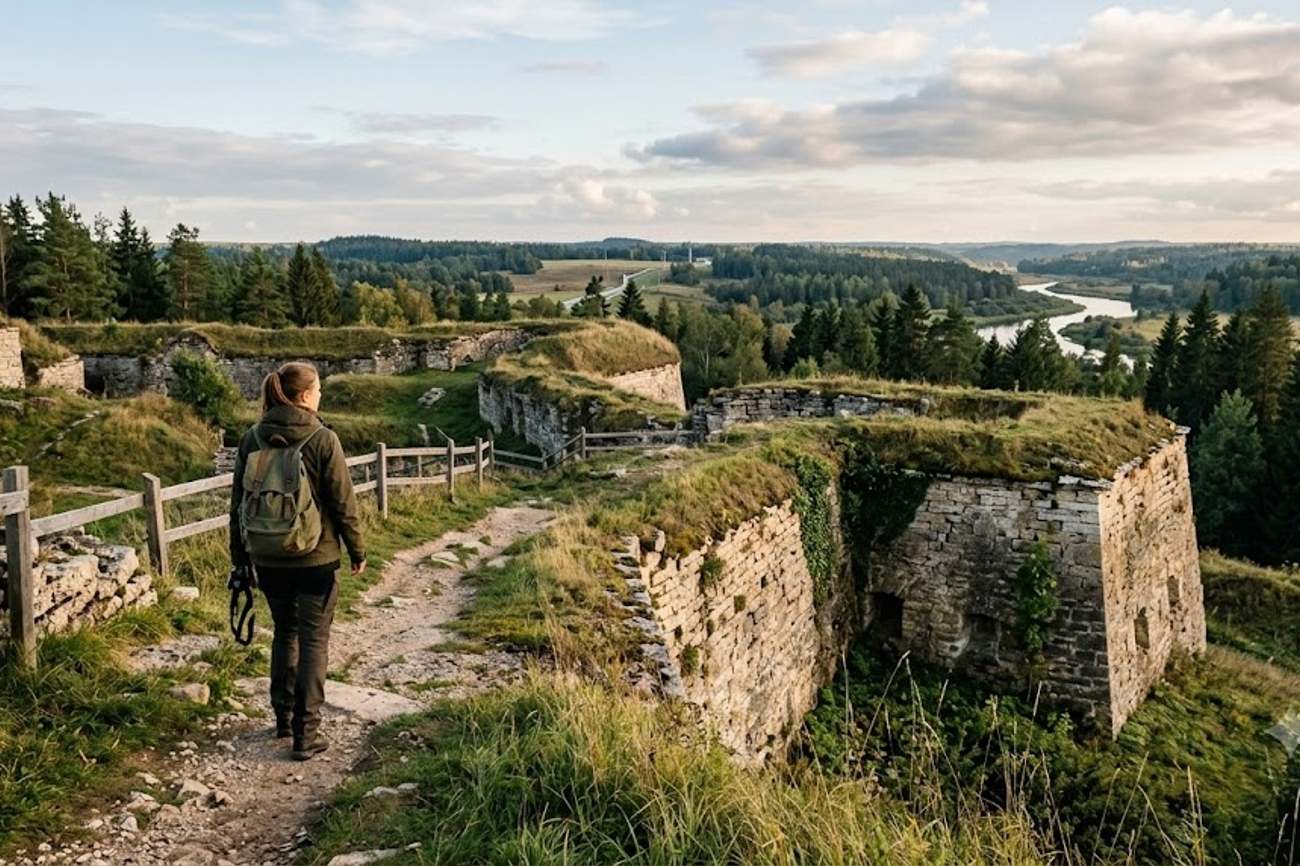
Image generated by AI
The surge in frontier exploration across the southeastern fringes of the European Union has transformed Võru County from a secluded forest region into a primary hub for geopolitical tourism. This shift represents a broader trend where intrepid travelers are bypassing traditional urban capitals in favor of "border tourism," specifically targeting the demarcation zones, historical defense structures, and high-security installations that define the external Schengen border.
The Geopolitical Magnetism of Võru County
The transformation of southeastern Estonia into a tourist destination is not accidental but is a direct result of the shifting global security climate. Once viewed as a quiet, heavily forested periphery, the region is now a focal point for visitors from North America and Western Europe who are seeking a tangible connection to the physical manifestations of national sovereignty. This phenomenon is driven by a desire to witness the intersection of pristine natural wilderness—characterized by dense pine forests and tranquil lakes—and the rigid, high-tech infrastructure of international boundaries.
The attraction is rooted in a historical continuum of conflict. For centuries, this specific geography served as the contested gateway between Eastern and Western civilizations. This legacy is physically anchored by sites like the 14th-century Vastseliina castle ruins. Built by the Livonian Order, these medieval fortifications provide a historical mirror to the modern security installations currently being erected. The [Estonian Ministry of Culture](https://www. kultuurministeerium.ee) has prioritized the preservation of these assets, funding interpretive centers and walking trails that allow travelers to analyze how ancient stone ramparts have evolved into the sensor-laden fences of the 21st century.
The Infrastructure of the External Schengen Border
The modern draw of the region lies in the visibility of the European Union's external security apparatus. The Police and Border Guard Board has overseen massive investments in reinforcing this frontier to ensure the integrity of the Schengen Area. The result is a landscape where nature is interrupted by state-of-the-art surveillance towers, cleared border strips, and physical fencing integrated with advanced sensor technology.
For the traveler, these sites are not merely barriers but are viewed as educational landmarks. Specific vantage points, such as those located near the Saatse boot or along remote forestry tracks, allow visitors to observe the precise line where EU jurisdiction ends. This creates a unique travel experience where the "attraction" is the very mechanism of exclusion and security.
| Feature | Medieval Era (Vastseliina) | Modern Era (Schengen Border) |
|---|---|---|
| Primary Material | Stone Ramparts / Fortifications | High-tensile Fencing / Sensors |
| Strategic Goal | Regional Skirmishes / Crusader Defense | External EU Border Integrity |
| Visitor Access | Public Ruins / Educational Trails | Designated Observation Platforms |
| Management | Ministry of Culture | Police and Border Guard Board |
Expert Analysis: The Commercialization of the Frontier
For travelers booking trips to southeastern Estonia, the direct consequence of this trend is a shift in the local hospitality economy. We are seeing the emergence of a "security-adjacent" tourism niche. This is not traditional leisure travel; it is a form of intellectual exploration where the value proposition is the proximity to geopolitical tension.
The pricing pressure this creates is likely to manifest in the growth of specialized guided ecotourism. Because navigating these zones requires strict adherence to border-zone regulations and official signage to avoid legal complications, there is an increasing reliance on certified local guides. This creates a barrier to entry for the completely independent "wild" traveler and pushes the market toward curated, compliant tours.
Furthermore, the inclusion of the Seto people—an indigenous minority whose ancestral lands were bisected by the modern state border—adds a layer of socio-political complexity. The recognition of Seto Leelo by UNESCO as a polyphonic singing tradition transforms the trip from a military survey into a cultural study. The tension here is palpable: the border is a security asset for the state, but a cultural fracture for the Seto. Travelers who engage with local farmsteads and museums are witnessing the human cost of the very fortifications they came to photograph.
From a logistical standpoint, the Estonian government is now forced to balance this influx of "frontier tourists" with environmental preservation. The bogs and old-growth forests of Võru County are fragile. The implementation of municipal strategies—such as designated viewing corridors and sustainable parking—suggests that the state is attempting to institutionalize border tourism to prevent the degradation of the wilderness that makes the region attractive in the first place.
Key Takeaways
- Sovereignty as Sightseeing: Tourism in Võru County is increasingly driven by the desire to see the physical markers of the EU's eastern edge, blending nature with high-security infrastructure.
- Regulatory Compliance: While public roads and observation platforms are open, visitors must strictly follow all Police and Border Guard Board signage to avoid violating border-zone laws.
- Historical Continuity: The region offers a direct comparison between 14th-century Livonian Order fortifications (Vastseliina) and modern electronic surveillance systems.
- Cultural Depth: The Seto region provides a critical human perspective on how international borders divide indigenous communities and their traditions.
- Infrastructure Shift: Regional authorities are actively developing sustainable viewing corridors to manage the environmental impact of rising visitor numbers in fragile ecosystems.
FAQ: Estonia Border Tourism 2024
Is it legal to visit the Russian border in Estonia? Yes, it is legal to visit the border regions of Võru County and Setomaa. Travelers must stay on public roads and use designated observation platforms, ensuring they do not cross official demarcation lines or ignore security signage.
What are the best sites for seeing border fortifications? Visitors should target the ruins of Vastseliina castle for medieval history and the surveillance installations and fences managed by the Police and Border Guard Board for modern security infrastructure.
Who are the Seto people? The Seto are an indigenous ethnic and linguistic minority living in the borderlands of southeastern Estonia. They are known for Seto Leelo, a unique polyphonic singing tradition recognized by UNESCO.
Do I need a special permit to visit Võru County? General tourism in the region does not require a permit, but specific restricted zones near the immediate border may have regulations. Always follow the guidance of official signage and local authorities.
The line between a scenic vista and a security perimeter has become the newest luxury in European exploration.
#VõruCounty #SchengenBorder #SetomaaCulture #EstoniaBorderTourism #Vastseliina #PoliceAndBorderGuardBoard
Related Travel Guides
- Netherlands Boosts Sustainable Tourism With Innovative Food Experiences Across Greener Cities
- United Kingdom and Other Leading Destinations Follow Egypt’s 2027 Tourist Hajj Travel Overhaul
- Murphys, June Lake and Nevada City Keep Pace with Other Sierra Destinations as Romantic Small Towns in California Beckon Weekend Travellers
Disclaimer
This article is for informational and educational purposes only. It does not constitute legal, financial, or professional advice. While we strive to provide accurate and up-to-date information, travel policies, regulations, and conditions change rapidly. Always verify information with official sources before making travel decisions. Nomad Lawyer makes no representations about the accuracy, reliability, completeness, or suitability of the information provided. Readers should consult qualified professionals for advice specific to their circumstances. The views expressed in this article are those of the author and do not necessarily reflect the views of Nomad Lawyer.
Kunal K Choudhary
Co-Founder & Contributor
A passionate traveller and tech enthusiast. Kunal contributes to the vision and growth of Nomad Lawyer, bringing fresh perspectives and driving the community forward.
Learn more about our team →