
Airport strikes throw European Easter travel into massive chaos
Coordinated airport strikes throw Easter travel into turmoil across Europe in 2026, with 500+ flights grounded and 90,000 passengers stranded at major hubs during peak holiday season.

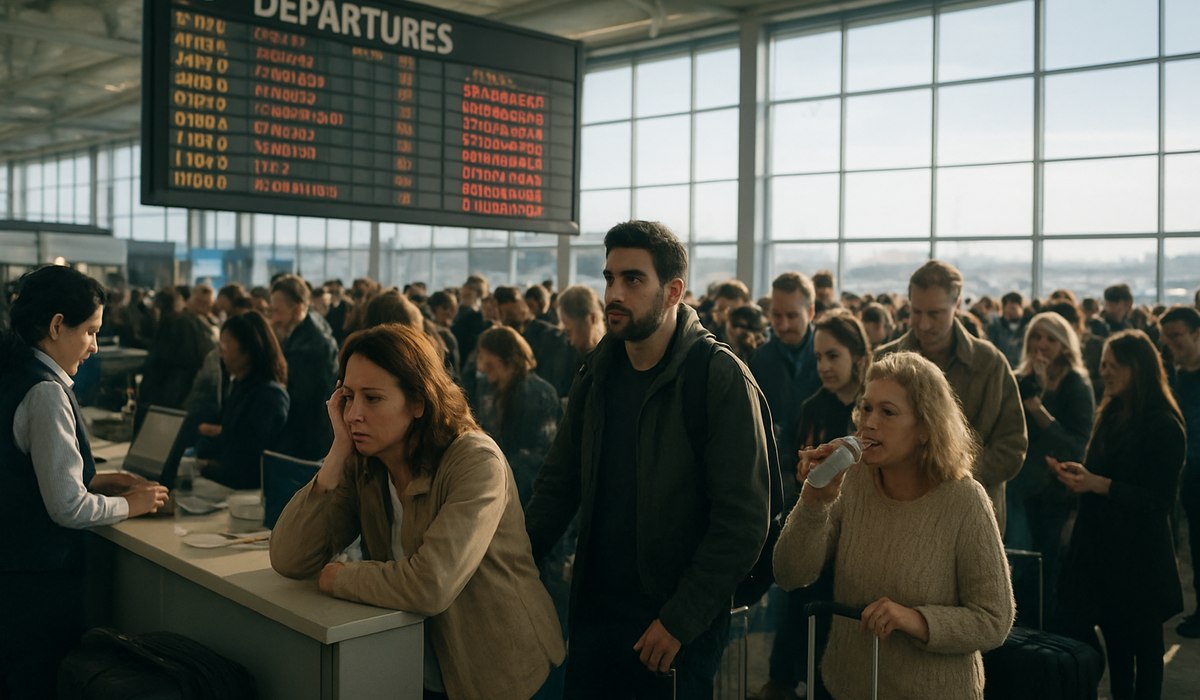
Image generated by AI
Easter Travel Crisis: Airport Strikes Throw European Network Into Chaos
Lufthansa cabin crew strikes ground 500+ flights at Frankfurt and Munich, leaving 90,000 passengers stranded during the Easter return rush. Coordinated walkouts across major European hubs have paralyzed travel during one of the year's busiest holiday periods, with disruptions rippling from Germany to Spain, France, and beyond. The strikes, which began Friday, April 10, 2026, have created a domino effect of cancellations affecting connections across Europe, North America, and Asia-bound routes.
Airport strikes throw travel plans into disarray when labor disputes escalate during peak seasons. This Easter, the convergence of multiple simultaneous actions across the continent has created unprecedented operational challenges for carriers and misery for families attempting to complete holiday journeys.
Lufthansa Walkouts Trigger Chain Reaction Across Major Hubs
The primary shock originated in Germany, where Lufthansa cabin crew and regional subsidiary CityLine staff initiated a one-day strike on April 10. Frankfurt and Munich airports bore the brunt of the impact, with airline operations data confirming over 500 flight cancellations affecting approximately 90,000 passengers.
The scale of disruption quickly exceeded single-airport borders. As aircraft remained grounded and crews fell out of position, connecting passengers missed onward flights throughout European networks. Families returning from Easter holiday breaks faced significant delays, with many spending unexpected nights in terminal seating awaiting rebooking. Load factors on intercontinental routes were already near maximum, amplifying the cascading effect across schedules.
Industry observers note this strike followed recent pilot walkouts and previous cabin crew warning strikes at Lufthansa. The accumulation of labor actions during peak travel season has strained recovery efforts significantly. Departure boards displayed cancellations across continental, European, and intercontinental services, creating bottlenecks at customer service desks throughout both major hubs.
Ripple Effect Spreads Beyond Germany to Swiss, Austrian and Benelux Hubs
The German strike's impact radiated outward rapidly. Swiss, Austrian, and Benelux hubs experienced secondary delays as aircraft repositioning became impossible and connecting traffic backed up. Carriers adjusted schedules across the region in attempts to manage knock-on effects.
Connectivity-dependent routes suffered most severely. Passengers booked through Frankfurt and Munich toward destinations in Central Europe, Scandinavia, and Eastern Europe faced extended delays or complete journey cancellations. Airlines operating feeder services to these major hubs had to ground aircraft awaiting connecting slots that never materialized.
Real-time tracking services like FlightAware documented the spreading disruption across regional networks. The compounding effect demonstrated how strikes at hub airports throw entire continental networks into chaos, affecting even remote destinations with no direct labor dispute involvement.
Spain and France Face Ongoing Baggage and Cabin Crew Disruptions
While German operations dominated headlines, southwestern European networks suffered parallel disruptions. Barcelona's Josep Tarradellas El Prat Airport faced rolling strikes by baggage handler Groundforce beginning in late March and continuing through April. Thousands of bags accumulated in storage areas as departures and arrivals fell into disarray.
Check-in lines extended beyond terminal entrances at Barcelona, with arriving passengers discovering luggage left at departure airports. The rolling strike schedule—implemented several days weekly—prevented airlines from predicting normal operations windows, complicating recovery efforts.
French airports experienced separate cabin crew actions. EasyJet crew strikes on Easter Monday disrupted Paris Charles de Gaulle, Paris Orly, Nice, Lyon, Nantes, and Bordeaux operations. Mediterranean leisure routes suffered disproportionately as short-haul networks collapsed. Although minimum service requirements exist, uneven staffing and partial stoppages meant remaining flights typically operated late with misrouted baggage.
Spring Strike Pattern Reflects Broader European Labor Tensions
The Easter disruptions represent the latest in a troubling spring pattern. Early March operations saw over 1,000 flights disrupted daily across England, France, Germany, the Netherlands, and Switzerland through combined air traffic control issues and labor disputes. Belgium experienced a nationwide airport shutdown, while Portugal and Italy documented partial service suspensions.
Historical analysis of European aviation strikes between 2010 and mid-2010s revealed millions of delay minutes and billions in economic losses annually. Strikes at one nation's hubs disrupted overflight routes and transit traffic across borders. Current spring events follow pandemic recovery patterns, with intensified labor negotiations and wage disputes reshaping European airline operations.
Key Data: Easter 2026 Airport Strike Impact Summary
| Metric | Details |
|---|---|
| Flights Grounded | 500+ at Frankfurt and Munich alone |
| Passengers Stranded | 90,000+ across affected hubs |
| Primary Affected Airports | Frankfurt, Munich, Barcelona, Paris CDG, Paris Orly |
| Strike Duration | One-day Lufthansa action; multi-week rolling disruptions elsewhere |
| Airlines Impacted | Lufthansa, CityLine, easyJet, Groundforce, regional carriers |
| Affected Routes | Europe-wide, North America-bound, Asia-bound connections |
| Baggage Handling Issues | Thousands of bags delayed at Barcelona for weeks |
| Economic Impact | Estimated hundreds of millions in losses continent-wide |
What This Means for Travelers: Actionable Response Steps
Traveler Action Checklist
-
Check Your Flight Status: Visit FlightAware or your airline's website immediately to verify current flight status and gate assignments.
-
Contact Your Airline: Call customer service for rebooking options before attempting airport visits. Lengthy queues at service desks mean phone or online interactions prove faster.
-
Document Everything: Keep boarding passes, receipts, and communication records for compensation claims under EU261 regulations.
-
Understand Your Rights: EU261 entitles passengers to compensation up to €600 for cancellations. US DOT protections apply to transatlantic flights.
-
Review Accommodation Coverage: Determine whether your airline, travel insurance, or booking platform provides hotel accommodations for overnight delays.
-
Monitor Real-Time Updates: Check airport websites and flight tracking services regularly, as schedules change frequently during labor disputes.
-
Plan Alternative Routes: Research trains, buses, or connecting flights through unaffected airports rather than waiting for rebooked commercial flights.
-
Submit Compensation Claims: File formal EU261 or equivalent claims with your airline or through passenger rights platforms within national statute periods.
European travelers enduring these disruptions should understand that airport strikes throw individual flight plans into larger systemic failures. Holiday journeys may require multi-day delays, alternative routing, or complete itinerary changes. Maintain flexibility and accept that labor disputes prioritize worker rights alongside passenger convenience.
Frequently Asked Questions
What passenger rights apply to strike-related cancellations? EU261 regulations entitle EU passengers to €250-€600 compensation for cancellations regardless of strike causes. US DOT mandates airlines inform passengers of compensation policies. Check your flight's airline and departure airport to determine applicable regulations.
Will my airline provide hotel accommodations during strike delays? Airline obligations vary by regulation. EU261 requires meals, refreshments, and hotel accommodations, though some carriers dispute strike exemptions. Review your airline's specific policy; travel insurance often covers hotel costs during carrier-caused disruptions.
How do I find alternative flights during major airport strikes? Check competitor airlines serving your route, nearby airports within driving distance, and regional train services. Google Flights, Kayak, and airline websites show alternative options. Multi-day disruptions often clear faster via trains or buses than waiting rebooked flights.
Should I purchase travel insurance covering strike-related cancellations? Standard travel insurance typically excludes "known circumstances
Disclaimer
This article is for informational and educational purposes only. It does not constitute legal, financial, or professional advice. While we strive to provide accurate and up-to-date information, travel policies, regulations, and conditions change rapidly. Always verify information with official sources before making travel decisions. Nomad Lawyer makes no representations about the accuracy, reliability, completeness, or suitability of the information provided. Readers should consult qualified professionals for advice specific to their circumstances. The views expressed in this article are those of the author and do not necessarily reflect the views of Nomad Lawyer.
Kunal K Choudhary
Co-Founder & Contributor
A passionate traveller and tech enthusiast. Kunal contributes to the vision and growth of Nomad Lawyer, bringing fresh perspectives and driving the community forward.
Learn more about our team →