
Italy Germany Join Europe's Mid-April Aviation Strike Wave
Italy and Germany join existing UK and Spain strikes in mid-April 2026, creating continent-wide aviation disruption. Hundreds of flights face cancellation across Europe's major hubs including Frankfurt, Rome, and London.

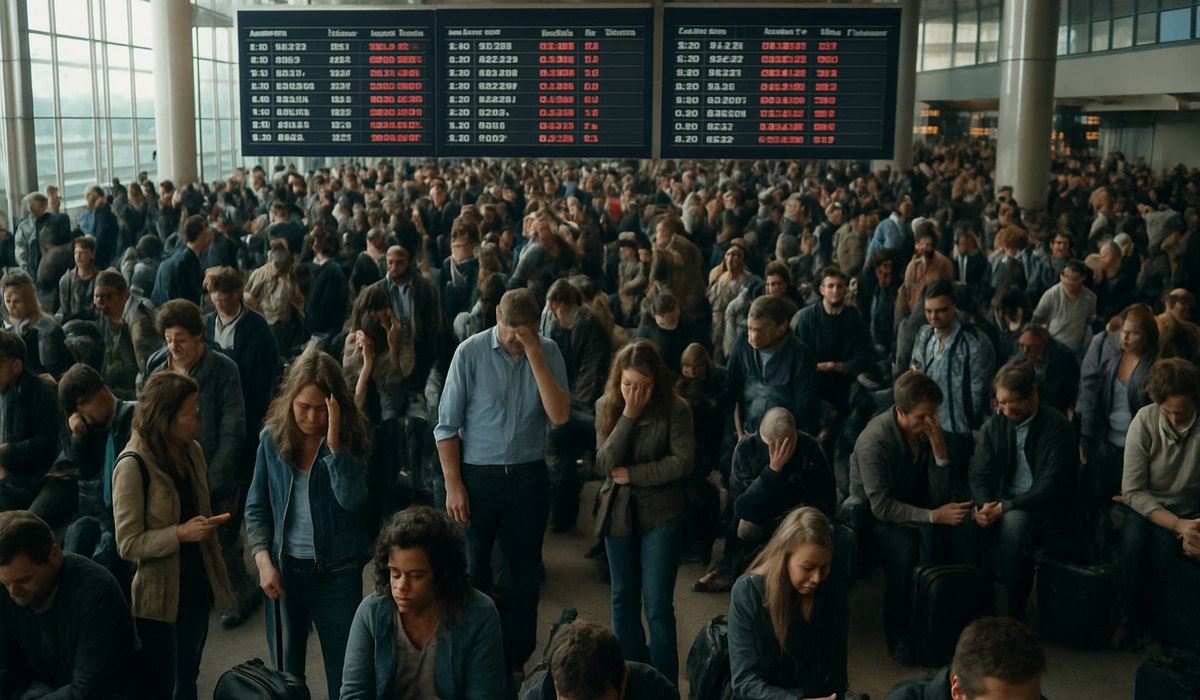
Image generated by AI
Continental Aviation Network Faces Unprecedented Mid-April Collapse
Europe's aviation network is experiencing severe disruption in mid-April 2026 as labor disputes in Italy and Germany collide with existing strikes in the UK and Spain. Hundreds of flights face cancellation across Frankfurt, Rome, and London—three of the continent's busiest airport hubs. The timing compounds spring holiday travel, leaving passengers stranded across major European routes. When Italy and Germany join Spain and UK industrial actions, the result transforms isolated labor disputes into a fragmented continental crisis affecting an estimated 200,000+ travelers daily.
Coordinated Actions Turn Local Disputes Into Continental Gridlock
What started as separate national labor disputes has evolved into a continent-wide aviation emergency. When Italy and Germany join their respective actions, they create overlapping disruption windows that paralyze key European corridors. Italian air traffic controllers plan a concentrated four-hour stoppage targeting Rome Fiumicino, Milan Malpensa, and Naples—affecting en route control centers during peak afternoon travel hours on April 10th.
Simultaneously, Lufthansa cabin crew strikes in Germany force mass cancellations from Frankfurt Airport, Europe's largest hub by international traffic. Flight data from FlightAware confirms roughly 75% of departures removed during peak strike windows. These formal disputes remain unlinked—yet their cascading effects create what industry analysts call unprecedented operational stress for spring travel.
Spain's ground handling staff continue indefinite partial strikes at major airports, while UK airport workers add further pressure at Heathrow and Gatwick. The patchwork of actions means passengers face unpredictable cancellations, diversions, and missed connections transforming two-hour regional flights into day-long ordeals. None of these strikes is officially coordinated, but the timing produces what experts describe as de facto continent-wide disruption.
Germany's Lufthansa Cabin Crew Strike Impacts Frankfurt Hub
Frankfurt Airport—Germany's primary international gateway—sits at the epicenter of this crisis. Lufthansa cabin crew industrial action forces the carrier to cancel extensive European and long-haul schedules, with estimates suggesting three-quarters of peak-day departures removed. The airline's dominant presence at Frankfurt means this single labor dispute cascades across secondary European cities dependent on Frankfurt connections.
Queues at rebooking desks stretch for hours. Passengers face either multi-day delays or forced rebooking on completely different routes. Frankfurt's role as Europe's primary transfer hub amplifies disruption—passengers connecting through Germany experience compounding delays on onward flights. The strike demonstrates how Italy and Germany join other nations in creating systematic breakdown rather than isolated disruptions.
Italy's Air Traffic Control Walkout Cascades Across Network
Italy's four-hour air traffic control stoppage on April 10th targets Rome Fiumicino, Milan Malpensa, and Naples airports during early afternoon through early evening hours. Even when limited in duration, air traffic control action at this level rapidly cascades across the entire network. Carriers preemptively adjust timetables, cancel rotations, and offer voluntary rebooking options during strike windows.
Rome Fiumicino experiences concentrated pressure as Italy's largest international airport. Low-cost carriers face particular strain, as their business models depend on tight turnarounds and consistent schedules. Rome's secondary airport, Ciampino, also faces slot restrictions, forcing capacity constraints across both facilities. The stoppage affects not just Rome-based operations but also en route traffic transiting Italian airspace—a critical corridor for north-south European flights.
Layering Disruption: Spain and UK Industrial Action Compounds Crisis
Spain's ground handling strikes remain indefinite, creating persistent operational strain beyond Germany's concentrated two-day window. Major airports including Madrid-Barajas and Barcelona-El Prat face partial staffing shortages affecting baggage handling, aircraft turnaround, and ground services. These partial strikes, though less dramatic than full-airport closures, create systematic inefficiency that stretches turnaround times.
London's Heathrow and Gatwick airports experience indirect consequences as aircraft arrive late from Frankfurt, Munich, Madrid, and Rome. Same-day delay statistics show elevated late departures and arrivals tied to continental hub disruption. Even absent simultaneous UK strikes, knock-on effects from Italy and Germany join with Spain's actions to lengthen security and border control queues. When strategically important hubs trim departures simultaneously, passengers exhaust alternative routings quickly.
Key Data: Strike Impact Summary
| Hub Airport | Strike Type | Duration | Estimated Cancellations | Peak Hours |
|---|---|---|---|---|
| Frankfurt (Germany) | Cabin crew walkout | 2 days | 75% of schedule | 6am-10pm |
| Rome Fiumicino (Italy) | ATC stoppage | 4 hours | 40-60% of schedule | 2pm-6pm local |
| Milan Malpensa (Italy) | ATC stoppage | 4 hours | 30-50% of schedule | 2pm-6pm local |
| Madrid-Barajas (Spain) | Ground handling (partial) | Indefinite | 20-30% of operations | Staggered shifts |
| London Heathrow (UK) | Knock-on delays | 4+ days | Secondary delays 15-25% | Peak hours |
| Barcelona-El Prat (Spain) | Ground handling (partial) | Indefinite | 15-25% of operations | Staggered shifts |
What This Means for Travelers
Italy and Germany join existing strikes during spring holiday season—your travel plans require immediate action. The disruption extends beyond affected countries through airport connection networks.
Traveler Action Checklist:
-
Check your airline's website immediately for updated schedules—both Lufthansa and Italian carriers have adjusted timetables through April 15th.
-
Monitor FlightAware real-time for your specific flight status starting 48 hours before departure.
-
Contact your airline proactively rather than waiting for cancellation notices; rebooking options disappear quickly during widespread strikes.
-
Know your legal rights under EU Regulation 261/2004 via the US DOT Consumer Rights page—you're entitled to compensation and alternative transport.
-
Book refundable tickets if rebooking multiple times; non-refundable tickets become liabilities during continental disruption.
-
Arrive 4+ hours early for international flights; security and rebooking queues extend significantly during peak disruption windows.
-
Request written confirmation of alternative flights before departing home to avoid disputes at airports.
-
Document everything—photos of cancellation notices, email confirmations, and expense receipts support compensation claims.
FAQ
Q: Will my flight be canceled if I'm traveling April 10-15 through Frankfurt or Rome?
A: High probability during peak hours. Frankfurt faces 75% cancellation rates April 11-12. Rome sees concentrated disruption April 10 (2pm-6pm local). Check FlightAware for your specific flight's status 48 hours before departure. Even if your flight operates, expect 2-6 hour delays.
Q: What compensation am I entitled to if my flight is canceled?
A: EU Regulation 261/2004 entitles passengers to €250-€600 compensation depending on distance, plus rebooking or refund options. UK travelers receive comparable protection post-Brexit. Visit the US DOT Consumer Rights page for claim procedures and documentation requirements.
Q: Should I reschedule my April trip to Europe?
A: Assess your flexibility. April 16+ shows normalized operations
Disclaimer
This article is for informational and educational purposes only. It does not constitute legal, financial, or professional advice. While we strive to provide accurate and up-to-date information, travel policies, regulations, and conditions change rapidly. Always verify information with official sources before making travel decisions. Nomad Lawyer makes no representations about the accuracy, reliability, completeness, or suitability of the information provided. Readers should consult qualified professionals for advice specific to their circumstances. The views expressed in this article are those of the author and do not necessarily reflect the views of Nomad Lawyer.
Preeti Gunjan
Contributor & Community Manager
A passionate traveller and community builder. Preeti helps grow the Nomad Lawyer community, fostering engagement and bringing the reader experience to life.
Learn more about our team →