
Global Aviation Shift: Major Carriers Pivot to Strategic Codeshares to Expand Reach Without Fleet Growth
From the North Atlantic to the Middle East, the aviation industry is embracing a "virtual expansion" model, leveraging p

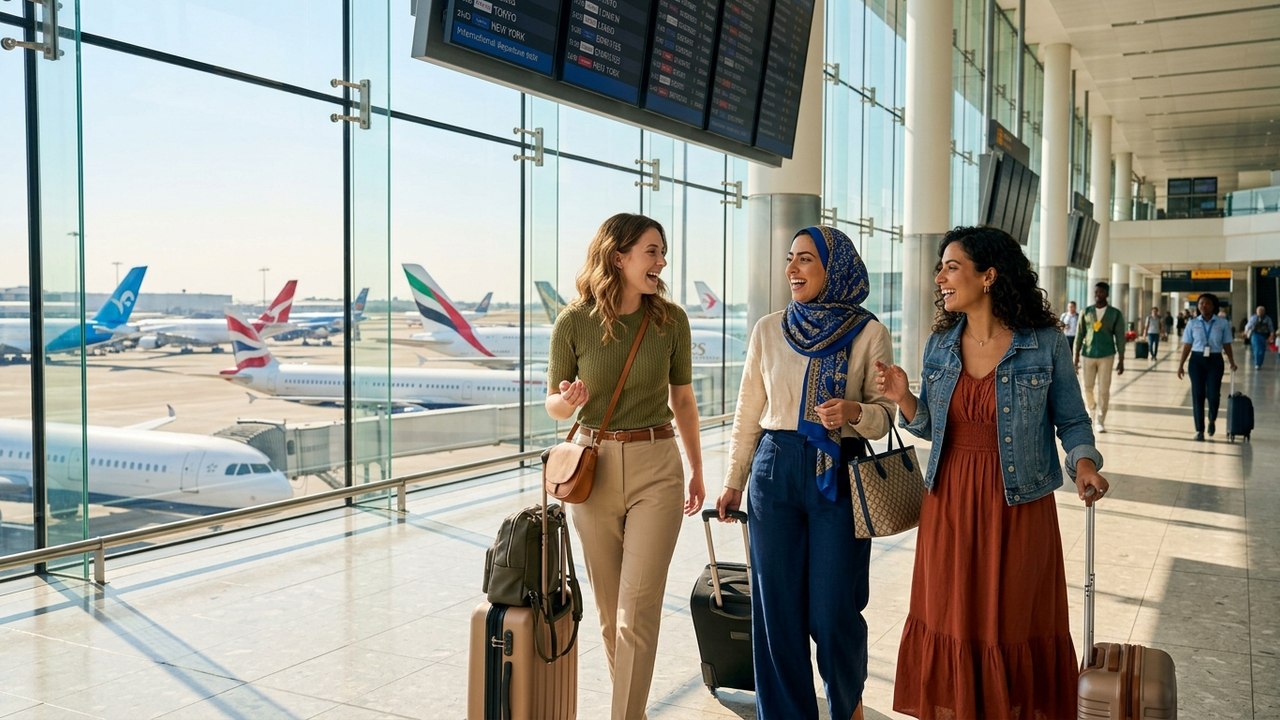
Image generated by AI
Aviation Industry Embraces Asset-Light Network Expansion
The global aviation sector is undergoing a strategic pivot in 2026, prioritizing commercial cooperation over physical fleet expansion. Major carriers—including British Airways, WestJet, Icelandair, Turkish Airlines, Etihad, and SAS—are entering a series of codeshare agreements to broaden their international footprints.
By partnering with regional specialists such as Air Montenegro, Porter, TAROM, and Air Tahiti, these airlines are increasing their destination counts without the capital expenditure required for new aircraft. This shift allows carriers to respond to rising travel demand while mitigating the operational risks associated with launching new independent routes.
For passengers, this transition manifests as a more seamless travel experience. Travelers can now book complex multi-city itineraries under a single ticket, enjoy coordinated baggage transfers, and integrate loyalty rewards across different operating carriers.
British Airways and Porter Airlines Optimize Canada Connectivity
A cornerstone of this trend is the new partnership between British Airways and Toronto-based Porter Airlines, effective July 8. This agreement significantly enhances the UK-Canada corridor by granting British Airways customers access to 17 Canadian destinations via hubs in Toronto Pearson and Montréal-Trudeau.
This strategic move allows British Airways to penetrate deeper into the Canadian domestic market—reaching cities like Ottawa, Edmonton, and Winnipeg—without operating its own short-haul flights within the country.
Loyalty and Logistics Integration:
- Rewards: British Airways Executive Club members can earn Avios and Tier Points on eligible Porter-operated flights.
- Efficiency: The agreement streamlines baggage handling and ticketing, reducing the friction typical of self-transfer connections.
- Market Reach: The partnership strengthens the link between London and Canada's secondary business and leisure hubs.
Strengthening the Middle East and Asia Corridors
Air India has emerged as one of the most active players in this partnership wave. The carrier has expanded its relationship with Saudia to facilitate increased business and religious travel between India and Saudi Arabia.
Furthermore, Air India has signed a Memorandum of Understanding (MoU) with Riyadh Air. While full codeshare operations will follow Riyadh Air's network expansion, the agreement sets the stage for integrated interline services across the Middle East.
In Asia, Korean Air and Asiana Airlines have initiated reciprocal codeshares on domestic and select international routes, a move designed to streamline operations ahead of their planned integration.
European and North Atlantic Strategic Alliances
The North Atlantic and European markets are seeing a surge in "hub-and-spoke" collaborations to maximize efficiency:
- WestJet and Icelandair: A reciprocal agreement now connects Canadian travelers to Iceland and various European destinations through a single reservation.
- AEGEAN and Icelandair: This partnership bridges Southern Europe and the Nordic region, allowing mid-sized carriers to compete with global giants by offering a wider destination array.
- Turkish Airlines and Air Montenegro: This collaboration boosts connectivity between Istanbul and Podgorica, leveraging Turkish Airlines' massive global hub to increase Montenegro's international visibility.
- Etihad and TAROM: Following the launch of flights to Bucharest, Etihad is using TAROM to extend its reach deeper into Romania and Eastern Europe.
- SAS Group: Scandinavian Airlines continues its transformation by expanding codeshare services with TAROM and Garuda Indonesia, linking Scandinavia more closely with Europe and Asia.
2026 Global Codeshare Implementation Tracker
| Announcement Date | Airline 1 | Airline 2 | Region | Key Highlights |
|---|---|---|---|---|
| January 2026 | Turkish Airlines | Air Montenegro | Europe | Reciprocal connectivity via Istanbul and Podgorica |
| February 2026 | SAS | TAROM | Europe | Expanded services between Scandinavia and Romania |
| February 2026 | Air India | Saudia | Asia–Middle East | 20+ destinations across India and Saudi Arabia |
| March 2026 | Korean Air | Asiana Airlines | Asia | Domestic and international reciprocal services |
| June 2026 | AEGEAN | Icelandair | Europe | Improved connectivity between Greece and Iceland |
| June 2026 | Etihad Airways | TAROM | Europe–Middle East | Expanded access to Romania and Eastern Europe |
| June 2026 | WestJet | Icelandair | North Atlantic | Reciprocal access between North America and Europe |
| June 2026 | Air Tahiti Nui | Air Tahiti | Pacific | Integrated domestic and international bookings |
| June 2026 | Air India | Riyadh Air | Asia–Middle East | MoU for future codeshare and interline services |
| July 2026 | British Airways | Porter Airlines | Europe–North America | Access to 17 Canadian cities via Toronto and Montréal |
Key Takeaways
- Asset-Light Growth: Airlines are prioritizing "virtual" network expansion via codeshares over purchasing new aircraft.
- Seamless Experience: Passengers benefit from single-ticket bookings and integrated baggage handling across different airlines.
- Loyalty Synergy: Strategic partnerships are increasingly including loyalty program reciprocity (e.g., BA Avios on Porter flights).
- Regional Specialization: Global carriers are leveraging regional airlines (like Porter or Air Montenegro) to access niche markets efficiently.
FAQ
What is a codeshare agreement? A codeshare is an arrangement where two or more airlines share the same flight. A seat can be purchased from one airline, but the flight is operated by another partner airline.
How does this benefit the passenger? It allows travelers to book a journey to a final destination on a single ticket, even if different airlines are operating the legs of the trip. This typically includes better baggage protection and easier transfers.
Does this mean airlines are not buying new planes? While airlines still modernize their fleets, these agreements show a shift toward using partnerships to grow their "reachable" network without the financial risk of adding more aircraft to their own fleet.
Related Travel Guides
Disclaimer
This article is for informational and educational purposes only. It does not constitute legal, financial, or professional advice. While we strive to provide accurate and up-to-date information, travel policies, regulations, and conditions change rapidly. Always verify information with official sources before making travel decisions. Nomad Lawyer makes no representations about the accuracy, reliability, completeness, or suitability of the information provided. Readers should consult qualified professionals for advice specific to their circumstances. The views expressed in this article are those of the author and do not necessarily reflect the views of Nomad Lawyer.
Raushan Kumar
Founder & Lead Developer
Full-stack developer with 11+ years of experience and a passionate traveller. Raushan built Nomad Lawyer from the ground up with a vision to create the best travel and law experience on the web.
Learn more about our team →