
Breaking Airline News: airBaltic Deploys Massive Reliability Shield to Rescue Northern European Passengers from Terrifying Travel Chaos
Breaking airline news: Amidst a terrifying era of sudden flight cancellations and highly unreliable subcontractor airlines, airBaltic executes a brilliant tactical bypass, locking down operational control to rescue passengers from extreme European travel chaos.

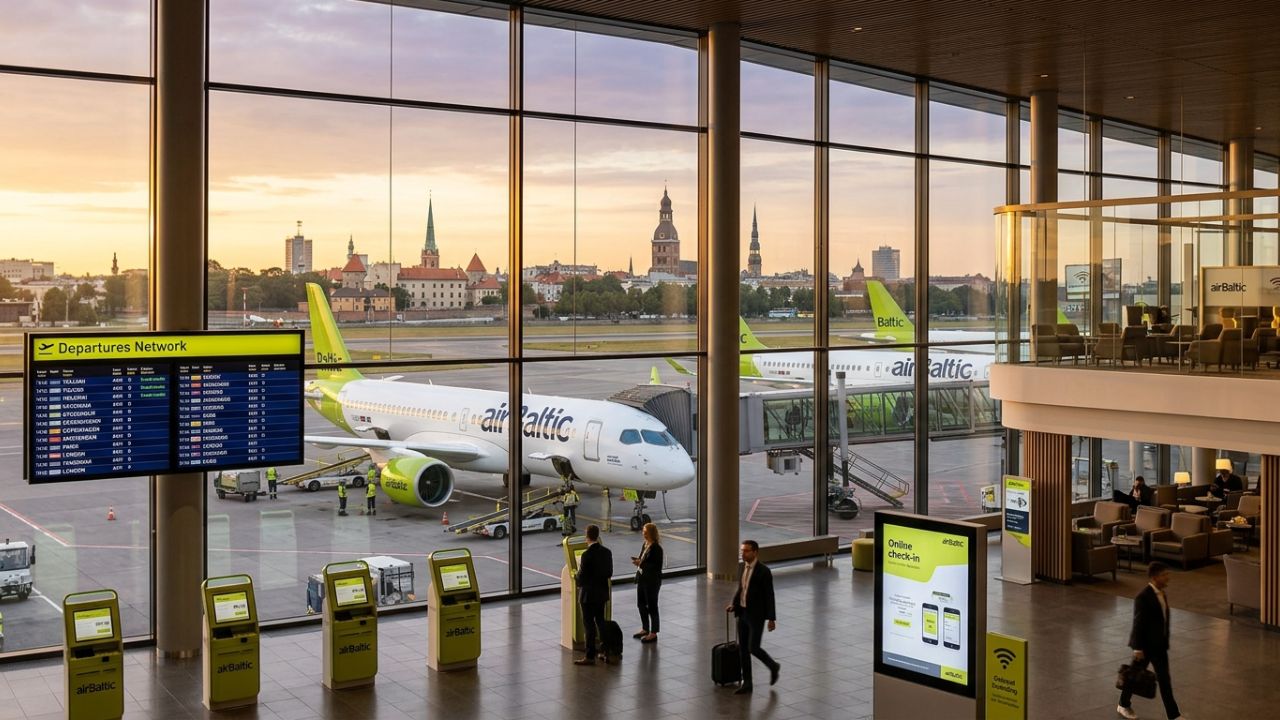
Image representing the intense strategic battle as global aviation authorities aggressively deploy ironclad operational reliability metrics to combat severe subcontractor failures and bypass paralyzing flight cancellations across Northern Europe.
Breaking Airline News: airBaltic Deploys Massive Reliability Shield to Rescue Northern European Passengers from Terrifying Travel Chaos
As paralyzing terminal congestion, terrifying equipment failures, and severe operational friction violently threaten to completely choke the European aviation network, Latvia’s flag carrier has executed a high-stakes infrastructural maneuver. In a desperate bid to physically and psychologically rescue Northern European travelers from the terrifying threat of extreme travel chaos triggered by highly unreliable subcontractor airlines, airBaltic has aggressively launched a massive tactical bypass. Officially releasing the deeply analytical results of its March 2026 passenger insights survey—drawing on the raw data of over 21,000 highly stressed passengers across 25 countries—the airline confirmed it is forcefully locking down its operational grid. By aggressively eliminating volatile wet-lease contracts and establishing an impenetrable defense perimeter of seamless digital tools and absolute service reliability, this deployment is directly fighting to prevent the complete collapse of passenger trust, ensuring that furious travelers are no longer trapped by the terrifying unreliability and severe stress historically defining massive summer transit surges.
In a harrowing display of modern aviation vulnerability, the sheer logistical nightmare of attempting to navigate the European skies has historically forced passengers into terrifying transit scenarios. For years, attempting to survive the massive summer travel surge meant travelers were routinely subjected to "bait-and-switch" tactics, booking a premium legacy carrier only to be violently shoved onto a cramped, deeply unreliable ACMI (Aircraft, Crew, Maintenance, and Insurance) wet-lease aircraft. This highly fragmented operational model frequently triggered terrifying "Aircraft on Ground" (AOG) bottlenecks, spawning severe missed connections, massive delays, and entirely ruined passenger itineraries. However, airBaltic, under the strategic command of CEO Erno Hildén, is aggressively fighting back against this structural paralysis. By forcefully guaranteeing that its upcoming summer schedule will be operated entirely by its own highly advanced fleet, the carrier ensures that passengers can violently slash their exposure to cascading logistical failures. This highly optimized operational model completely decompresses transit anxiety, ultimately shielding millions of travelers from the agonizing misery of paralyzed transport networks by guaranteeing absolute product consistency.
Expanded Overview: The Massive Scale of the Transit Contagion
The terrifying crisis of overwhelming passenger stress currently gripping complex global itineraries brutally exposes the severe limitations of flying without absolute operational control. Recognizing that aggressively forcing travelers onto unknown subcontractor metal leads directly to severe psychological friction and terrifyingly inconsistent scheduling, airBaltic authorities are attempting to forcefully decompress the tension. The sheer scale of passenger relief is staggering; the recent survey confirms an absolutely massive 97% satisfaction rate among travelers navigating the airline's core regions of Latvia, Estonia, Lithuania, and Finland. Now, this massive infrastructural shift toward absolute reliability will aggressively decentralize the industry's reliance on fragmented wet-leases, entirely destroying the terrifying threat of equipment-induced travel chaos and establishing a powerfully resilient, hyper-connected Baltic bridge connecting 80 global destinations.
Section-Wise Breakdown: The Operational Realignment
Breaking the Unreliable Transit Gridlock
To survive the terrifying surge in global passenger demand without triggering immediate terminal meltdowns, airBaltic specifically targets the highly vulnerable corporate and elite leisure market. The absolute cornerstone of this operational success is the ruthless defense of the Business Class cabin. Passengers seeking refuge from the chaos of standard economy travel aggressively boosted the Business Class Net Promoter Score (NPS) to a massive +46, a violent nine-point surge year-over-year. By physically granting elite passengers priority check-in, exclusive fast-track security, dedicated lounge facilities, and an aggressively blocked adjacent seat for absolute privacy, the airline guarantees that its most valuable flyers are entirely shielded from the terrifying mass congestion currently paralyzing global departure halls.
Deploying the Digital Tactical Shield
To guarantee the absolute reliability of this restored operational model, the airline has executed a brilliant strategic deployment of advanced technology. Recognizing that severe terminal friction occurs when physical check-in desks collapse under volume, airBaltic aggressively pushed travelers into its highly secure digital ecosystem. A staggering 97% of passengers reported absolute satisfaction with pre-flight processes, with 46% utilizing the primary website and 19% executing bookings via the mobile app. This digital defense mechanism drastically lowers physical airport risk, completely bypassing the regulatory and economic friction of massive, slow-moving check-in queues.
Securing the In-Flight Lifeline
The massive infrastructural shift aggressively centers around completely defending the passenger once airborne. As rival airlines violently slash onboard amenities to survive fuel spikes, airBaltic aggressively deployed a massive technological upgrade. Over 50% of the active fleet is now physically equipped with high-speed Starlink internet, generating a massive 85% satisfaction rate among users. Combined with the introduction of the Skynet platform—which beams critical travel data and partner offers directly to personal devices—passengers are permanently connected, violently undercutting the terrifying isolation associated with long-haul flight delays.
Defending the Riga Transit Hub
Looking beyond the immediate cabin benefit, this massive project aggressively protects the physical transfer process at the airline's primary fortress. A highly critical 71% of passengers specifically praised the flawless transfer mechanics at Riga Airport, citing the aggressive use of boarding bridges to avoid the terrifying chaos of remote tarmac bus transfers during severe weather. This unified approach violently undercuts the traditional anxiety associated with complex regional travel.
Strategic Passenger Satisfaction & Reliability Matrix
To fully comprehend the massive logistical and strategic fallout of this new operational lockdown, corporate travel managers and affected tourists must review the exact analytical metrics defining the airBaltic deployment. The following matrix provides a granular breakdown of the specific, officially verified March 2026 survey data driving this massive disruption mitigation effort.
| Strategic Aviation Metric | Confirmed 2026 Survey Data |
|---|---|
| Total Survey Respondents | Over 21,000 Passengers (March 2026) |
| Overall Flight Satisfaction | 97% (Satisfied to Completely Satisfied) |
| Overall Net Promoter Score (NPS) | +36 (5-point increase from 2025) |
| Regional Peak NPS (Lithuania & Finland) | +47 |
| Business Class NPS | +46 (9-point increase) |
| Primary Airline Choice (Baltic Region) | 70% |
| Digital Pre-Flight Process Approval | 97% |
| Crew Professionalism & Efficiency | 97% |
| Starlink High-Speed Internet Satisfaction | 85% (Equipped on over 50% of fleet) |
| Travel Purpose Breakdown | Family Holidays (30%), Leisure/Shopping (24%) |
Passenger Impact: Surviving the European Jump
For the millions of global tourists and corporate commuters attempting to navigate the rapidly expanding European transit corridors, this massive commitment to reliability represents a highly anticipated lifeline against severe operational delays. The brutal reality of enduring a terrifyingly sudden delay on a summer holiday flight, only to realize the aircraft assigned is an aged, unreliable wet-lease with zero onboard amenities, inflicts intense psychological stress and completely destroys meticulously planned itineraries. By aggressively deploying its own modern fleet and digital tools, airBaltic is attempting to actively prevent the terrifying friction that results in severely abandoned travel plans and entirely ruined cross-continental vacations.
Survival Guide for Transit Travelers
Travelers desperately preparing to navigate the modernized global network must immediately execute the following survival protocols:
- Leverage Guaranteed Fleet Integrity: Passengers attempting complex European jumps must aggressively book airlines like airBaltic that explicitly guarantee no ACMI (wet-lease) arrangements for the summer; attempting to save minimal cash on airlines heavily reliant on subcontractors almost guarantees terrifying travel chaos if the subcontractor suffers a mechanical failure.
- Exploit the Digital Defense Perimeter: Corporate travelers must relentlessly utilize the airline's highly rated mobile app and website for all pre-flight logistics; because massive international gateways can experience terrifying sudden congestion at check-in counters, utilizing the digital fast-track is an absolute requirement for surviving the terminal transfer.
- Utilize the Starlink Lifeline: Because severe weather can suddenly trigger massive ground stops, booking flights equipped with Starlink is critical; maintaining uninterrupted communication with corporate headquarters or family members during a terrifying tarmac delay prevents total isolation.
Industry Analysis: The Economics of Brand Consistency
From a strategic aviation perspective, the travel turmoil currently forcing these massive network realignments highlights the terrifying vulnerability of airlines that outsource their capacity. Industry analysts confirm that securing massive passenger loyalty via absolute operational control is an absolute masterstroke in corporate crisis management. Historically, airlines that attempted to aggressively expand their summer schedules by leasing unknown, third-party aircraft frequently suffered terrifying brand damage when those flights inevitably failed. The aggressive airBaltic strategy lowers systemic risk, providing the carrier with massive market penetration without diluting its core product, ultimately shielding the tourism ecosystem from severe, subcontractor-induced travel chaos.
Conclusion: A Strategic Retreat to Ensure Aviation Survival
As the extremely critical 2026 summer travel season accelerates, the massive deployment of operational reliability by airBaltic represents a massive warning to airlines attempting to operate heavily fragmented, wet-leased networks. The aggressive maneuvering by this carrier proves that capturing market dominance requires terrifyingly swift and highly optimized logistical integration, connecting passengers directly to their final destinations while shielding them from the brutal reality of subcontractor unreliability. Corporate travel buyers and everyday passengers attempting to navigate this highly unstable era of airport disruptions must embrace these new, highly efficient digital lifelines. By acting aggressively to leverage optimized, unified fleets, travelers can successfully survive the intense travel surges and completely avoid the paralyzing threat of equipment-induced travel chaos.
Key Takeaways
- Massive Tactical Bypass: airBaltic is aggressively locking down its summer schedule, refusing to utilize unreliable ACMI wet-leases to completely bypass the severe travel chaos of fragmented European operations.
- Crushing Passenger Gridlock: Survey data from 21,000 passengers reveals an absolutely massive 97% satisfaction rate, proving the effectiveness of the airline's reliability shield.
- Strategic Digital Deployment: The airline violently undercuts terminal congestion by pushing passengers into a highly optimized digital ecosystem, achieving 97% approval for pre-flight processes.
- Global Ecosystem Expanded: By equipping over 50% of the fleet with Starlink Wi-Fi, airBaltic shields passengers from the terrifying isolation of unexpected flight delays or ground stops.
- Traveler Advisory: Passengers navigating Northern Europe must aggressively seek out carriers that guarantee the use of their own modern fleets to ensure they are completely shielded from the severe operational unpredictability of third-party subcontractors.
Related Travel Guides
Disclaimer
This article is for informational and educational purposes only. It does not constitute legal, financial, or professional advice. While we strive to provide accurate and up-to-date information, travel policies, regulations, and conditions change rapidly. Always verify information with official sources before making travel decisions. Nomad Lawyer makes no representations about the accuracy, reliability, completeness, or suitability of the information provided. Readers should consult qualified professionals for advice specific to their circumstances. The views expressed in this article are those of the author and do not necessarily reflect the views of Nomad Lawyer.
Kunal K Choudhary
Co-Founder & Contributor
A passionate traveller and tech enthusiast. Kunal contributes to the vision and growth of Nomad Lawyer, bringing fresh perspectives and driving the community forward.
Learn more about our team →