
Aviation Updates: AirAsia X Cancels Massive Airbus A330neo Order to Bypass Travel Chaos and Regional Airport Disruptions
In a desperate bid to shield passengers from ongoing terminal gridlock, AirAsia X has cancelled its order for 15 Airbus A330-900neo widebody aircraft, shifting to highly agile regional jets.

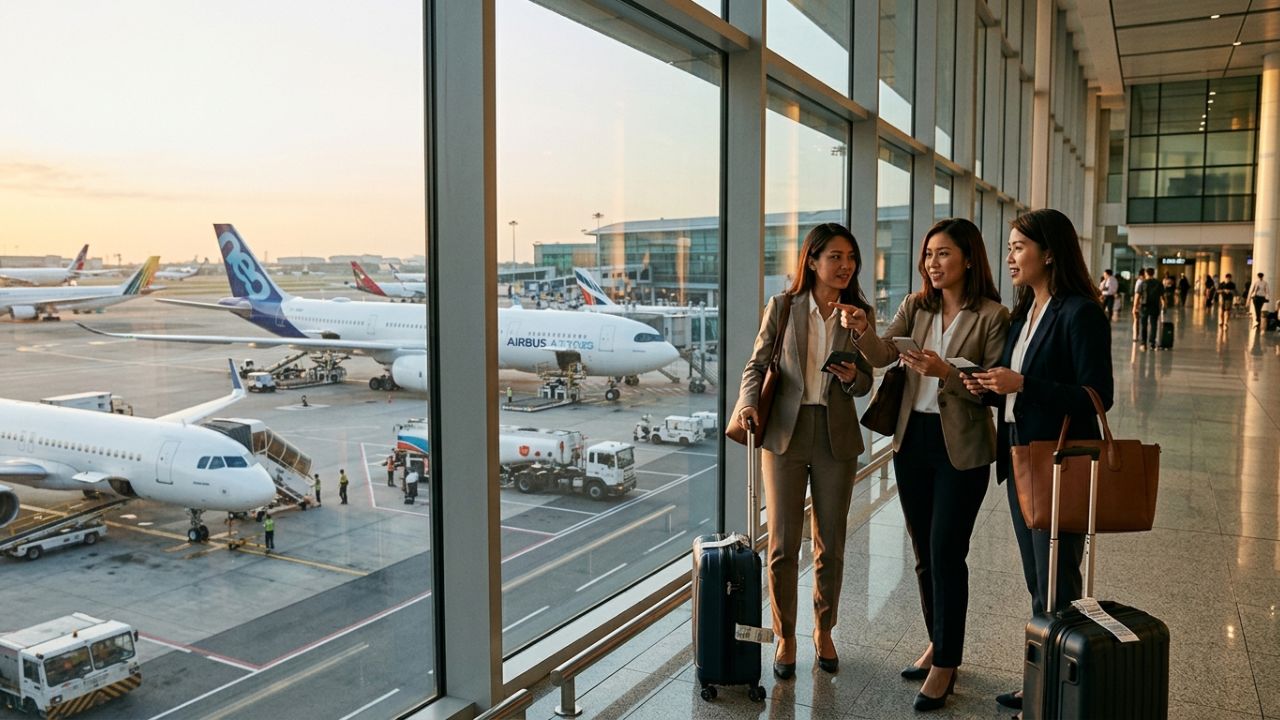
Image generated by AI
Aviation Updates: AirAsia X Cancels Massive Airbus A330neo Order to Bypass Travel Chaos and Regional Airport Disruptions
As incredibly severe terminal gridlock and massive runway congestion completely suffocate major Asian and global aviation gateways, AirAsia X has aggressively moved to heavily insulate its operational network from the terrifying reality of travel chaos by completely restructuring its future fleet deployment.
While incredibly exhausted economy passengers desperately navigate an incredibly brutal summer defined by rolling flight cancellations and severe, localized airport disruptions, a massive, highly strategic operational shift is actively occurring at the absolute highest levels of Asian aviation management. According to the absolute latest breaking airline news, AirAsia X has officially executed a monumental, paradigm-shifting transformation of its long-term fleet strategy. Desperate to ensure that severe, localized hub gridlock does not completely destroy its operational efficiency, the low-cost carrier has officially cancelled a massive, multi-billion-dollar order for 15 massive Airbus A330-900neo widebody aircraft.
This highly critical cancellation represents an incredibly crucial milestone in the airline's frantic strategy to completely bypass highly congested primary mega-hubs. Driven heavily by soaring demand for highly agile, disruption-proof regional routing, this unprecedented cancellation highlights a massive pivot away from long-haul widebody dependency. Instead of violently forcing massive volumes of passengers through deeply paralyzed international hubs connecting Asia with destinations across Europe, the Middle East, and Australia, AirAsia X is fiercely determined to reshape its network using highly flexible narrowbody aircraft. As major legacy airlines frantically adjust their massive fleet deployments to actively survive rolling travel chaos, AirAsia X is explicitly proving that operational survival in 2026 demands absolute agility rather than sheer aircraft size.
Aviation Updates: Insulating the Operational Network
This massive, highly structural shift in fleet procurement perfectly illustrates the intense, incredibly fragile nature of modern long-haul low-cost operations.
According to highly detailed, official aviation updates, this highly strategic cancellation is explicitly designed to massively enhance the insulated travel experience for regional passengers desperately seeking to bypass the severe stress of modern air transit. The massive A330-900neo was originally designed as a highly fuel-efficient widebody explicitly capable of serving massive long-haul routes. However, because primary mega-hubs frequently suffer from severe congestion leading to massive, unannounced flight cancellations, relying on massive aircraft that require incredible turnaround times has become highly dangerous. By actively dropping these 15 massive jets from its official Airbus backlog, AirAsia X is actively shielding its overall network profitability from the terrifying threat of sudden, localized logistical breakdowns that disproportionately cripple large widebody operations.
Section-Wise Breakdown: Navigating the New Fleet Nodes
The sudden, massive evolution of these critical fleet decisions actively impacts several incredibly distinct, highly sensitive operational sectors.
The Shift to Narrowbody Agility
A highly critical factor aggressively driving the AirAsia X cancellation is the massive, immediate pivot toward highly agile narrowbody aircraft. The massive AirAsia Group is now aggressively prioritizing the rapid acquisition of state-of-the-art Airbus A321neo and A321XLR aircraft. These incredibly efficient jets offer massively lower operating costs and unprecedented route flexibility. Because they require significantly less turnaround time on the tarmac, they are explicitly engineered to rapidly bypass the severe ground congestion that routinely triggers massive airport disruptions.
Bypassing Primary Hub Gridlock
This massive strategic shift explicitly allows the airline to operate highly frequent services directly connecting secondary and tertiary regional cities. Instead of forcing passengers to transit through incredibly chaotic primary capital airports, the new narrowbody fleet will execute rapid point-to-point connectivity. This completely removes the absolute reliance on massive hub-and-spoke operations, insulating the passenger journey from the crushing, unpredictable delays that violently plague major Asian international transit zones.
The Airbus Production Reality
Despite this massive localized cancellation, global manufacturing data explicitly confirms the wider resilience of the widebody market. The official Airbus backlog tracking data accurately reflects the removal of these 15 specific aircraft; however, the massive A330-900neo program remains in highly active, full-scale production. Because several global legacy carriers desperately require these jets to operate medium-to-high density international routes, the manufacturer easily maintains a heavily robust global order pipeline, proving that this cancellation is a highly specific, localized survival strategy rather than a global widebody collapse.
Flight Details and Verified Fleet Strategy Matrix
To fully understand the exact structural parameters of this massive operational shift, the following matrix explicitly details the massive changes in the AirAsia X fleet procurement and routing structure.
Confirmed Fleet Strategy & Disruption Mitigation Matrix
| Fleet Procurement Shift | Operational Details & Strategic Focus | Passenger Impact & Insulation Strategy |
|---|---|---|
| Cancelled Order | 15 Airbus A330-900neo widebody aircraft dropped. | Removes absolute reliance on deeply congested, massive international mega-hubs. |
| New Fleet Priority | Airbus A321neo and A321XLR narrowbody aircraft. | Delivers incredible route flexibility and massively lowers ground turnaround times. |
| Routing Strategy | Shift from global long-haul to regional medium-haul. | Completely bypasses the massive travel chaos associated with legacy hub transfers. |
| Network Focus | Point-to-point secondary city connectivity. | Actively isolates the network from massive, sudden primary airport disruptions. |
| Operational Goals | Fleet simplification and streamlined maintenance. | Dramatically improves aircraft utilization to successfully prevent rolling daily delays. |
Data explicitly reflects the massive, highly structural changes heavily redefining the AirAsia X operational strategy, directly forcing regional competitors to radically adjust their fleet deployments.
Passenger Impact: Escaping the Congested Corridors
For the highly demanding passengers actively engaged in this massive Asian mobility shift, traditional, highly congested mega-hub transfer structures are frequently viewed as completely terrifying.
The brand-new, narrowbody-focused network strategy significantly and massively improves travel convenience for thousands of incredibly exhausted corporate commuters and regional leisure travelers. Instead of relying absolutely solely on deeply congested, highly unpredictable primary airports—where sudden flight cancellations can ruin carefully planned itineraries—travelers now gain a highly secure, incredibly efficient point-to-point network. By actively utilizing the incredible range of the A321XLR to completely bypass chaotic primary capital airports, passengers achieve an unprecedented level of absolute control over their journey. This incredibly sophisticated routing system completely removes layover dependency and ensures that every single regional traveler avoids the terrifying, anxiety-inducing reality of massive terminal gridlock.
Industry Analysis: Strategic Fleet Insulation
Aviation structural analysts strictly point out that this massive, multi-regional operational shift perfectly illustrates the extreme, highly vital importance of heavily optimized airline fleet planning.
Aviation data explicitly indicates that this massive network diversification strategy is heavily utilized to establish absolute dominance in the highly competitive Asian low-cost market. The strategic cancellation perfectly aligns with a much broader fleet simplification initiative heavily designed to drastically reduce highly complex maintenance requirements and expensive crew training protocols. Because airlines struggle desperately to actively maintain normal operations amid ongoing network pressures, prioritizing a unified, highly adaptable narrowbody fleet ensures that AirAsia X maintains its absolute grip on the lucrative regional sector without being violently dragged down by massive widebody inefficiencies.
Conclusion: The Future of the Low-Cost Network
The massively evolving fleet dynamics directly defining AirAsia X's future violently reflect a much broader, highly critical structural transformation currently dominating how low-cost aviation is physically structured in 2026.
Rather than violently forcing massive widebody operations into deeply congested legacy hubs, the airline is incredibly increasingly functioning as a massive, highly integrated, ultra-flexible regional ecosystem. As AirAsia X aggressively expands its narrowbody capacity in response to sustained regional travel demand, travelers actively navigating the incredibly busy global aviation sector must absolutely remain highly vigilant. To actively survive potential travel chaos during peak seasons, passengers must aggressively monitor all breaking aviation updates, actively utilize the newly established point-to-point secondary city routes, and perfectly understand that the ultimate sanctuary from modern airport disruptions relies entirely on avoiding massive international transit hubs whenever physically possible.
Key Takeaways
- Massive Fleet Shift: AirAsia X has officially cancelled its multi-billion-dollar order for exactly 15 massive Airbus A330-900neo widebody aircraft.
- Narrowbody Dominance: The airline is violently pivoting toward the highly agile, state-of-the-art Airbus A321neo and A321XLR platforms to guarantee operational flexibility.
- Preventing Gridlock: The new strategy heavily focuses on rapid point-to-point secondary city routing to completely bypass deeply congested primary mega-hubs.
- Airbus Backlog: While the 15 jets have been removed from the official order book, the A330neo program remains in highly active, full-scale production globally.
- Operational Insulation: Fleet simplification completely streamlines complex maintenance and crew training, heavily insulating the carrier against severe airport disruptions.
- Passenger Survival Strategy: Asian travelers are strictly advised to immediately lock in these highly efficient, point-to-point narrowbody itineraries to actively avoid the crushing gridlock of legacy regional transit terminals.
Related Travel Guides
Disclaimer
This article is for informational and educational purposes only. It does not constitute legal, financial, or professional advice. While we strive to provide accurate and up-to-date information, travel policies, regulations, and conditions change rapidly. Always verify information with official sources before making travel decisions. Nomad Lawyer makes no representations about the accuracy, reliability, completeness, or suitability of the information provided. Readers should consult qualified professionals for advice specific to their circumstances. The views expressed in this article are those of the author and do not necessarily reflect the views of Nomad Lawyer.
Preeti Gunjan
Contributor & Community Manager
A passionate traveller and community builder. Preeti helps grow the Nomad Lawyer community, fostering engagement and bringing the reader experience to life.
Learn more about our team →