
US Flight Delays and Cancellations Surge Past 4,500 as Severe Weather and Ground Stops Impact Dallas, Houston, and Chicago
Over 4,100 US flight delays and 433 cancellations hit major hubs including Dallas, Chicago, and Houston due to severe storms and Hurricane Polo remnants.

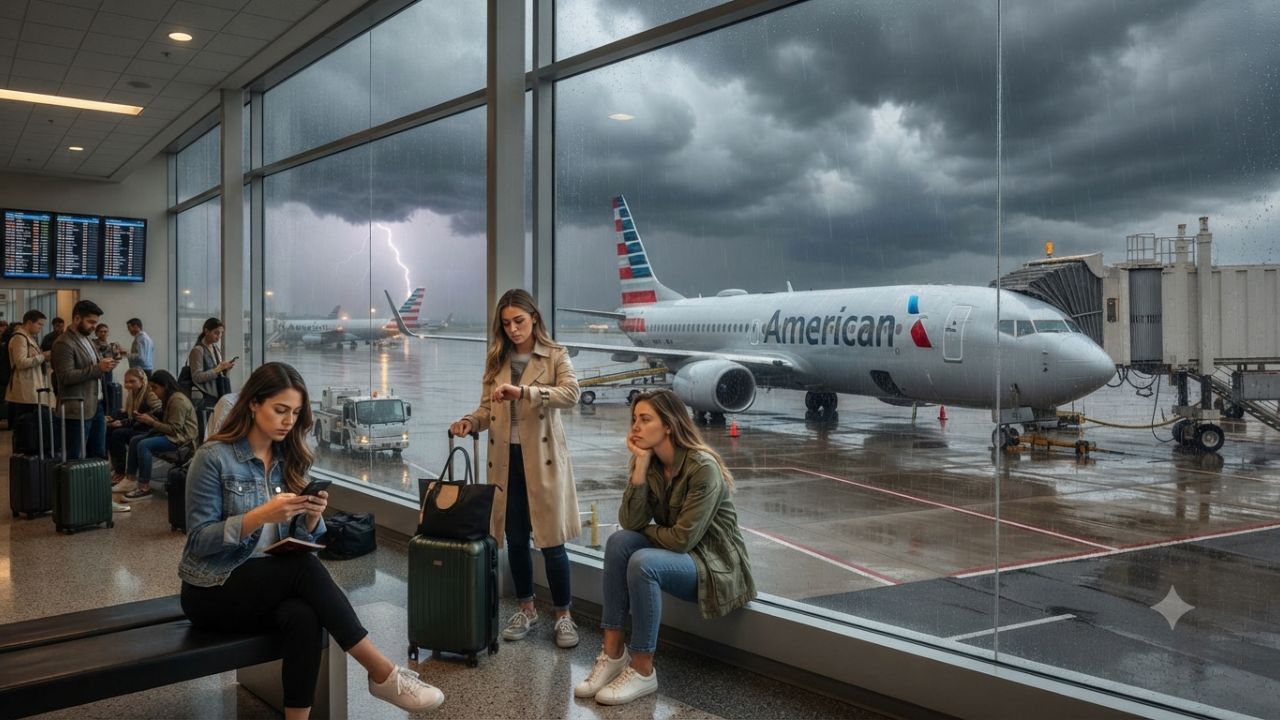
Image generated by AI
Commercial air travel across the United States suffered widespread operational chaos as severe thunderstorms, heavy rainfall, and airfield constraints forced 433 flight cancellations and 4,115 flight delays on October 2, 2026. Impacting major carriers including Southwest Airlines, American Airlines, Envoy Air, and SkyWest, the massive disruption centered heavily on major hubs across Texas, Illinois, and Georgia, prompting ground stops and ground delay programs issued by the Federal Aviation Administration (FAA).
Quick Summary
- Massive Disruption Totals: Live flight tracking data records 4,115 flight delays and 433 complete cancellations across US air airspace.
- Hardest-Hit Hubs: Dallas-Fort Worth (DFW) leads airport disruptions with 999 delays and 321 cancellations, alongside Chicago O’Hare (ORD), Dallas Love Field (DAL), and Atlanta (ATL).
- Severe Weather Drivers: Tropical moisture from the remnants of Hurricane Polo interacting with Gulf air triggered severe thunderstorms, flash flood warnings, and FAA ground stops across Texas.
- Carrier Impact: Southwest Airlines registered over 1,090 delays, while American Airlines faced 775 delays and 137 cancellations.
- Secondary Factors: Heavy passenger volume in San Diego and active runway construction at Boston Logan added operational bottlenecks to nationwide schedules.
Strategic Context: Severe Weather Systems and Airspace Bottlenecks Across Texas and the Midwest
The nationwide flight breakdown underscores the vulnerability of domestic airline hub-and-spoke networks when severe convective weather strikes critical transit nodes simultaneously. Heavy rainfall associated with the remnants of Hurricane Polo collided with warm moisture moving north from the Gulf of Mexico, generating persistent severe thunderstorms across Texas. The National Weather Service (NWS) issued multiple flash flood warnings, flood warnings, and flood watches across the Dallas-Fort Worth metropolitan region.
Because Dallas-Fort Worth International Airport (DFW) and Dallas Love Field (DAL) serve as major operational megahubs for American Airlines and Southwest Airlines respectively, severe weather in North Texas created rapid downstream delay propagation across the entire country. Simultaneously, ground stops in the Midwest at Chicago O’Hare (ORD) and volume delays in Southern California prevented airlines from repositioning flight crews and aircraft, compounding cancellations into the evening.
Comprehensive Airport Disruption Breakdown: Delays, Cancellations, and FAA Status
Disruptions impacted airfields nationwide, with Texas gateways bearing the brunt of thunderstorm-related ground stops and ground delay protocols.
| Airport Gateway | Total Flight Delays | Total Cancellations | Departure Disruption Rate | Arrival Disruption Rate | Primary Operational Cause & FAA Status |
|---|---|---|---|---|---|
| Dallas-Fort Worth Intl (DFW) | 999 delays | 321 cancellations | 36% delayed / 14% canceled | 48% delayed / 13% canceled | FAA Ground Delay due to severe thunderstorms & flash flooding |
| Chicago O’Hare Intl (ORD) | 272 delays | 7 cancellations | 9% delayed | 9% delayed | FAA Ground Stop due to heavy rain |
| Dallas Love Field (DAL) | 261 delays | 20 cancellations | 38% delayed | 34% delayed | FAA Ground Delay triggered by thunderstorm lines |
| Atlanta Hartsfield-Jackson (ATL) | 257 delays | 13 cancellations | 11% delayed | 9% delayed | Network schedule delays & transit connection holds |
| San Diego Intl (SAN) | 209 delays | 3 cancellations | Standard departures | 28% delayed arrivals | FAA Ground Delay due to high volume (avg 31 min delay) |
| Houston Bush Intercontinental (IAH) | 168 delays | 15 cancellations | 12% delayed | 16% delayed | FAA departure delays averaging 15+ minutes due to storms |
| Austin-Bergstrom Intl (AUS) | 163 delays | 12 cancellations | 21% delayed | 17% delayed | FAA Ground Stop issued due to active thunderstorms |
| Houston William P. Hobby (HOU) | 113 delays | 7 cancellations | 21% delayed | 16% delayed | FAA Ground Stop due to convective weather |
| San Antonio Intl (SAT) | 74 delays | 10 cancellations | 18% delayed | 16% delayed | FAA Ground Stop due to severe weather |
| Boston Logan Intl (BOS) | Schedule delays | Minor cancellations | Controlled departure flows | Controlled arrival flows | FAA Ground Delay due to active runway construction |
Airline Operational Breakdown: Major Carriers and Regional Feeder Networks
Both mainline carriers and regional feeder airlines experienced severe operational degradation as aircraft and crew rotations fell out of sequence across affected hubs.
- Southwest Airlines: Recorded the highest delay count nationally, logging 1,094 delays and 21 cancellations. With major flight banks originating out of Dallas Love Field, Houston Hobby, and Chicago Midway, Southwest's point-to-point network experienced widespread rolling delays.
- American Airlines: Faced 775 delays and 137 cancellations. Operating its primary global hub out of Dallas-Fort Worth, American suffered heavy mainline cancellations as severe thunderstorms forced the FAA to restrict airfield arrival rates.
- Envoy Air: American's regional subsidiary logged 312 delays and 80 cancellations, as short-haul feeder flights into DFW were systematically holding or canceled to clear airspace.
- SkyWest Airlines: Operating regional capacity for multiple major brands, SkyWest recorded 250 delays and 64 cancellations across Midwestern and Western routes.
- PSA Airlines: The regional jet carrier experienced 57 delays and 46 cancellations, primarily impacting East Coast and Southern feeder routes connecting through Atlanta and Charlotte hubs.
Operational Causes: Multi-Factor Disruption Drivers
Federal Aviation Administration operational notices confirm that today's travel chaos resulted from a combination of severe meteorological phenomena and infrastructure constraints:
- Convective Thunderstorms: FAA ground stops and ground delay programs were active across Texas at DFW, DAL, AUS, HOU, and SAT airports as storm cells restricted arrival corridors.
- Heavy Rain Accretion: Low visibility and standing water triggered an explicit FAA ground stop at Chicago O'Hare International.
- Airport Volume Constraints: High arrival density led to FAA volume-based ground delays averaging 31 minutes at San Diego International Airport.
- Runway Infrastructure Construction: Planned runway maintenance at Boston Logan International constrained overall airfield capacity, triggering localized departure hold queues.
Essential Actionable Steps for Disrupted Airline Passengers
Passengers holding reservations on affected domestic or international itineraries should take immediate proactive steps to manage travel interruptions:
- Monitor Real-Time Flight Status: Track live updates using official airline smartphone applications or live tracking services like FlightAware before departing for the airport.
- Utilize Digital Self-Service Rebooking: When cancellations occur, use mobile apps to select alternative flight segments rather than waiting in physical airport customer service lines.
- Verify Connecting Itinerary Segments: Passengers with multi-leg journeys connecting through Dallas, Houston, Chicago, or Atlanta must confirm that downstream connections remain active.
- Retain Travel Receipts and Confirmations: Keep all physical boarding passes, cancellation notifications, and receipts for meal or lodging expenses incurred during extended delays.
- Review Carrier Refund Policies: Passengers whose flights are canceled by the airline are legally entitled to a full refund to their original form of payment under federal Department of Transportation rules.
Broader Context & Looking Ahead
Live aviation tracking data recorded on October 1, 2026, at 1:42 p.m. ET highlights how rapidly localized weather systems can disrupt national airspace. As storm activity associated with the remnants of Hurricane Polo shifts eastward across the Gulf Coast, airline flight dispatchers and FAA air traffic controllers anticipate continued operational recovery efforts through the evening. Travelers departing from or connecting through Texas, Midwest, and Southeastern airports are advised to check flight status regularly throughout the operating day.
FAQ: US Flight Disruptions & Cancellations 2026
How many flights were delayed and canceled across the United States today?
Live flight-tracking data logged 4,115 flight delays and 433 complete cancellations affecting domestic and international operations across the United States.
Which US airports experienced the worst flight delays and cancellations?
Dallas-Fort Worth International (DFW) suffered the heaviest impact with 999 delays and 321 cancellations, followed by Chicago O'Hare (ORD), Dallas Love Field (DAL), Atlanta Hartsfield-Jackson (ATL), and San Diego International (SAN).
Which airlines reported the highest number of disrupted flights?
Southwest Airlines recorded 1,094 delays and 21 cancellations, while American Airlines reported 775 delays and 137 cancellations. Regional carriers Envoy Air and SkyWest also faced significant disruptions.
What caused the widespread flight disruptions across Texas airports?
Severe thunderstorms, torrential rain, and flash flooding caused by the remnants of Hurricane Polo interacting with Gulf moisture forced the FAA to issue ground stops and ground delays across Texas airfields.
What rights do passengers have if their flight is canceled due to weather?
If an airline cancels a flight, passengers are entitled to rebooking on the next available flight at no extra charge or a full refund to their original payment method under DOT regulations.
Related Travel Guides
Disclaimer
This article is for informational and educational purposes only. It does not constitute legal, financial, or professional advice. While we strive to provide accurate and up-to-date information, travel policies, regulations, and conditions change rapidly. Always verify information with official sources before making travel decisions. Nomad Lawyer makes no representations about the accuracy, reliability, completeness, or suitability of the information provided. Readers should consult qualified professionals for advice specific to their circumstances. The views expressed in this article are those of the author and do not necessarily reflect the views of Nomad Lawyer.
Kunal K Choudhary
Co-Founder & Contributor
A passionate traveller and tech enthusiast. Kunal contributes to the vision and growth of Nomad Lawyer, bringing fresh perspectives and driving the community forward.
Learn more about our team →