
Ahmedabad Hub-and-Spoke Aviation Plan Targets Global Connectivity and GIFT City Integration 2026
Ahmedabad is being positioned as a strategic western India gateway under a new hub-and-spoke aviation strategy to streamline international transit and leverage the GIFT City financial cluster.

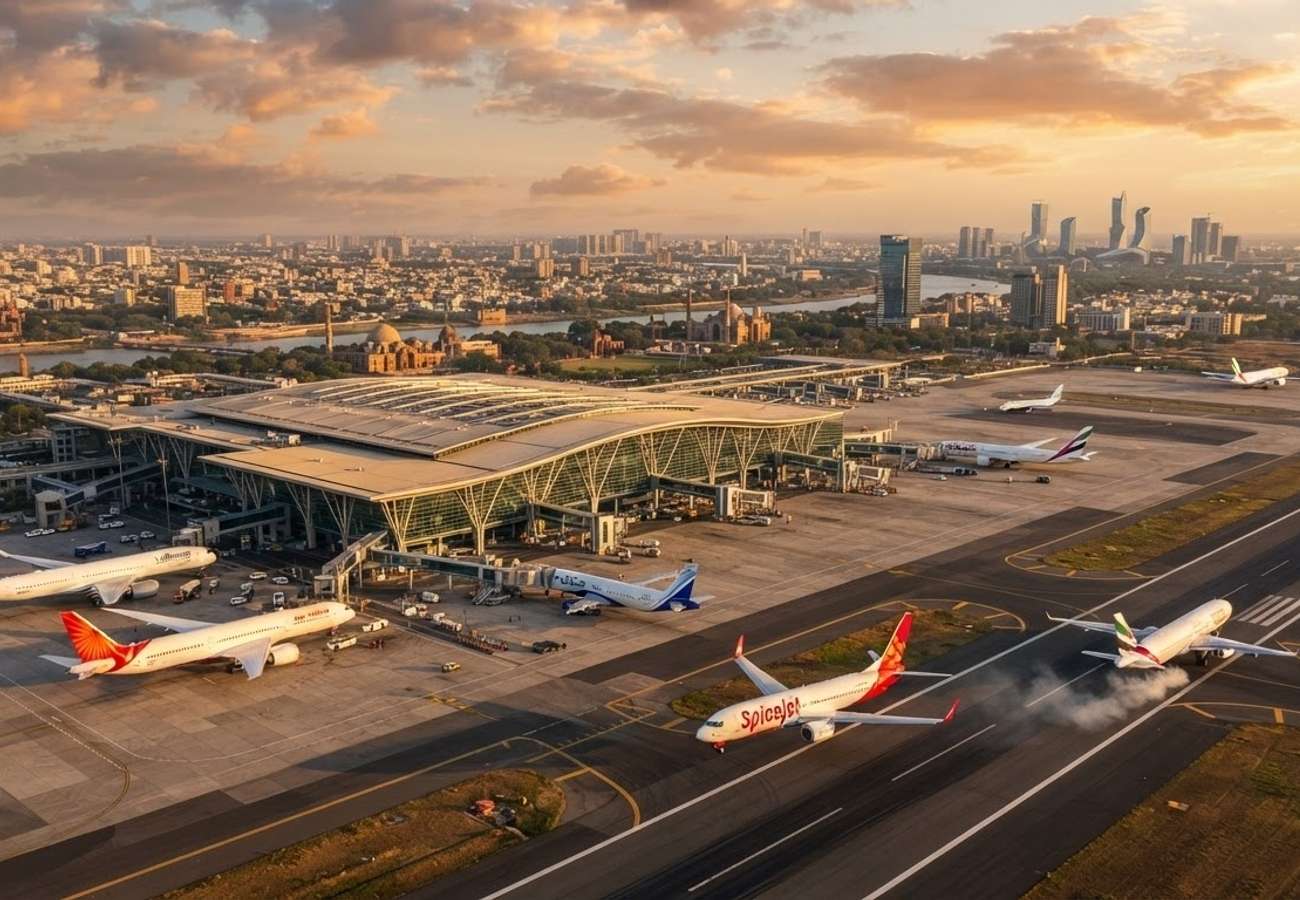
Image generated by AI
Ahmedabad is transitioning into a primary strategic node within India’s national aviation framework, utilizing a hub-and-spoke model to consolidate international traffic and reduce congestion at major metros.
The shift centers on Sardar Vallabhbhai Patel International Airport, which is being repositioned as the definitive gateway for western India. By concentrating long-haul international services at this hub and feeding them via shorter regional "spoke" routes, the strategy aims to provide passengers in tier-2 and tier-3 cities with streamlined, one-stop access to global markets.
Strategic Shift to Hub-and-Spoke Operations
India's civil aviation policy is moving away from fragmented point-to-point itineraries toward a consolidated network. Our analysis of the current route map indicates that Ahmedabad already maintains strong links to Southeast Asia and the Middle East. Under the new model, these will serve as the foundation for expanded long-haul connectivity.
The objective is two-fold:
- Decongestion: Shifting international transit pressure away from saturated hubs like Delhi and Mumbai.
- Regional Accessibility: Allowing travelers from smaller Gujarat cities to access global destinations without multiple domestic transfers.
Infrastructure and Transit Optimization
For a hub-and-spoke system to remain viable, transit predictability is mandatory. Sardar Vallabhbhai Patel International Airport is currently implementing phased upgrades to airside capacity and terminal facilities to handle increased throughput.
Key operational focuses include:
- Connection Windows: Harmonizing domestic-to-international transfer times to minimize missed connections.
- Passenger Flow: Rationalizing check-in and baggage systems to reduce transit stress.
- Multi-modal Integration: Strengthening highway corridors linking the airport to Gandhinagar and the Gujarat International Finance Tec-City (GIFT City).
The GIFT City Aviation Finance Synergy
A critical differentiator for the Ahmedabad hub is its proximity to GIFT City. As India’s sole International Financial Services Centre, GIFT City is now a center for cross-border banking and aircraft leasing.
Market trends suggest a reinforcing loop is forming:
- Onshore Leasing: Indian carriers are increasingly establishing units within GIFT City to structure aircraft and engine leases locally.
- Cost Reduction: Moving leasing activity onshore reduces reliance on foreign jurisdictions and lowers operational costs for airlines.
- Operational Basing: The synergy between a financial aviation cluster and a physical transit hub improves the business case for basing aircraft, crew, and maintenance operations in the region.
Impact on Passenger Experience
From a logistical perspective, the success of this transition will be measured by the reduction in total travel time. For the end-user, a functional Ahmedabad hub means:
- Denser Schedules: More frequent departures on trunk routes.
- Banked Departures: Coordinated arrival and departure windows that allow multiple regional flights to feed into a single long-haul departure.
- Increased Choice: Better ability to mix domestic and international carriers through enhanced interline and codeshare agreements.
However, industry observers note that passenger satisfaction remains contingent on the alignment of digital information channels and the clarity of immigration and baggage procedures.
Strategic Constraints and Market Competition
Despite the growth potential, the Ahmedabad gateway faces significant headwinds. Competition from the established dominance of Mumbai and Delhi remains the primary obstacle. Additionally, the airport must manage airspace and runway capacity limitations during peak hours to maintain the on-time performance required by international carriers.
The viability of the Ahmedabad hub depends on its ability to match global benchmarks for turnaround efficiency and passenger comfort.
Related Travel Guides
Disclaimer
This article is for informational and educational purposes only. It does not constitute legal, financial, or professional advice. While we strive to provide accurate and up-to-date information, travel policies, regulations, and conditions change rapidly. Always verify information with official sources before making travel decisions. Nomad Lawyer makes no representations about the accuracy, reliability, completeness, or suitability of the information provided. Readers should consult qualified professionals for advice specific to their circumstances. The views expressed in this article are those of the author and do not necessarily reflect the views of Nomad Lawyer.
Preeti Gunjan
Contributor & Community Manager
A passionate traveller and community builder. Preeti helps grow the Nomad Lawyer community, fostering engagement and bringing the reader experience to life.
Learn more about our team →