
Adelaide Tourism Surge 2026: South Australia Reports Record Visitor Spending and Aviation Growth
South Australia's visitor economy has exceeded expectations with spending $200 million above forecasts, driven by a strategic pivot toward shoulder season travel and expanded international flight capacity.
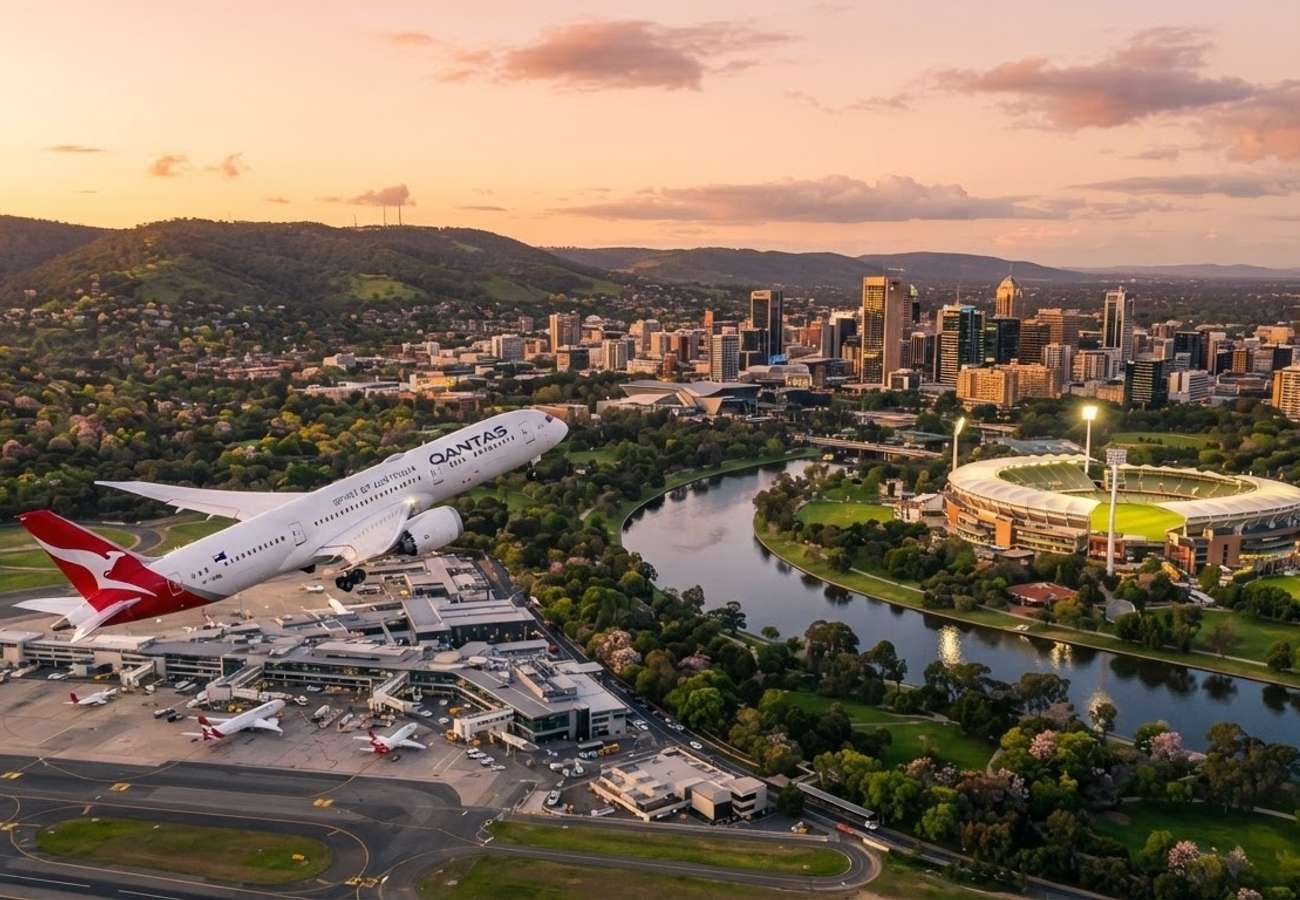
Image generated by AI
South Australia is experiencing a massive tourism renaissance as international travelers pivot toward shoulder season visits. Recent data reveals visitor expenditure exceeded forecasts by $200 million, supported by a significant expansion in international aviation capacity.
The Strategic Pivot to Shoulder Season Travel
Global travel patterns are shifting away from peak-season congestion toward temperate shoulder seasons. For travelers from the Northern Hemisphere, September marks the beginning of spring in South Australia, offering mild temperatures and reduced crowding compared to the traditional summer peak.
This counter-seasonal appeal has positioned Adelaide as a primary destination for high-yielding visitors. The city now leverages its blend of urban infrastructure and natural landscapes to attract tourists specifically during the September travel window.
Visitor Economy and GSP Impact
Official data from the South Australian Tourism Commission and the Adelaide Economic Development Agency indicates a robust financial trajectory for the region.
- Quarterly Expenditure: Visitor spending reached $9.9 billion, surpassing the expected figure of $9.7 billion by $200 million.
- Domestic Volume: By the end of March 2026, the state recorded 7.8 million domestic overnight trips.
- Gross State Product (GSP): Tourism contributed $4.5 billion to the GSP in the 2024-25 financial year.
- Growth Rate: This represents a 2.2 per cent increase over the 2023-24 period.
Aviation Capacity and Route Expansion
To sustain this growth, Adelaide has aggressively expanded its international connectivity, reducing the historical reliance on transit hubs like Sydney and Melbourne.
International Flight Statistics
Flight tracking and government data show a sharp increase in accessibility:
- Available Seats: International seat capacity rose from 8,849 in 2024 to 12,956.
- Flight Frequency: Total international flights increased from 33 to 50.
- Year-End Projection: Available international seats are forecast to reach 17,500 by December 2026.
New and Restored Direct Routes
Several global carriers have implemented strategic expansions to service the Adelaide hub:
- Cathay Pacific: Reinstated direct services for Asian and European transit.
- China Southern Airlines: Commencing flights to Guangzhou.
- China Eastern Airlines: Launched a new direct route to Shanghai.
- United Airlines: Launching a direct service from San Francisco to connect the North American market.
Hospitality Sector Infrastructure Boom
The surge in arrivals has triggered a rapid expansion of Adelaide's hotel inventory and a wave of high-value capital investments.
Accommodation Growth Over the last 42 months, the total number of hotel rooms in Adelaide has increased by 28 per cent, adding 1,500 new rooms to the city's capacity.
Major Capital Transactions
- Hilton Hotel: Acquired by Amora Hotels & Resorts for $60 million.
- Mayfair Hotel: Sold for $75 million, with an additional $23 million allocated for structural refurbishments.
Passenger Rights & Advisory
For passengers traveling to Adelaide during this high-growth period, the increase in flight frequency and hotel capacity generally improves consumer choice. However, the shift in airline operators introduces different regulatory frameworks.
For the affected passenger, this means:
- US-Australia Routes: Passengers on the new United Airlines San Francisco route are protected by US Department of Transportation (DOT) guidelines regarding tarmac delays and significant cancellations.
- EU/UK Transit: Travelers utilizing Cathay Pacific via European hubs may be eligible for compensation under EU261/2004 or UK261 if their flights experience qualifying delays or cancellations.
- Booking Strategy: Our analysis of the current hotel boom suggests that while capacity has increased by 28 per cent, the "shoulder season" is becoming a new peak. Passengers should secure accommodation at least 60 days in advance to avoid inflated "last-minute" pricing during the September surge.
The South Australian model demonstrates a successful decoupling from the traditional "summer-only" tourism cycle. By aggressively targeting the Northern Hemisphere's autumn, Adelaide has created a sustainable year-round revenue stream. The simultaneous investment in both aviation (supply) and hospitality (infrastructure) indicates a coordinated state-level strategy rather than organic growth. The entry of United Airlines is particularly significant, as it opens a direct pipeline from the US West Coast, which historically required multiple stops.
The shift toward shoulder-season travel is no longer a niche trend but a macroeconomic driver for regional Australian hubs.
Related Travel Guides
Disclaimer
This article is for informational and educational purposes only. It does not constitute legal, financial, or professional advice. While we strive to provide accurate and up-to-date information, travel policies, regulations, and conditions change rapidly. Always verify information with official sources before making travel decisions. Nomad Lawyer makes no representations about the accuracy, reliability, completeness, or suitability of the information provided. Readers should consult qualified professionals for advice specific to their circumstances. The views expressed in this article are those of the author and do not necessarily reflect the views of Nomad Lawyer.