
Leading Airlines Slash Operating Costs With Next-Generation Widebody Aircraft, Reshaping Industry Economics
Breaking airline news and aviation industry updates for 2026.

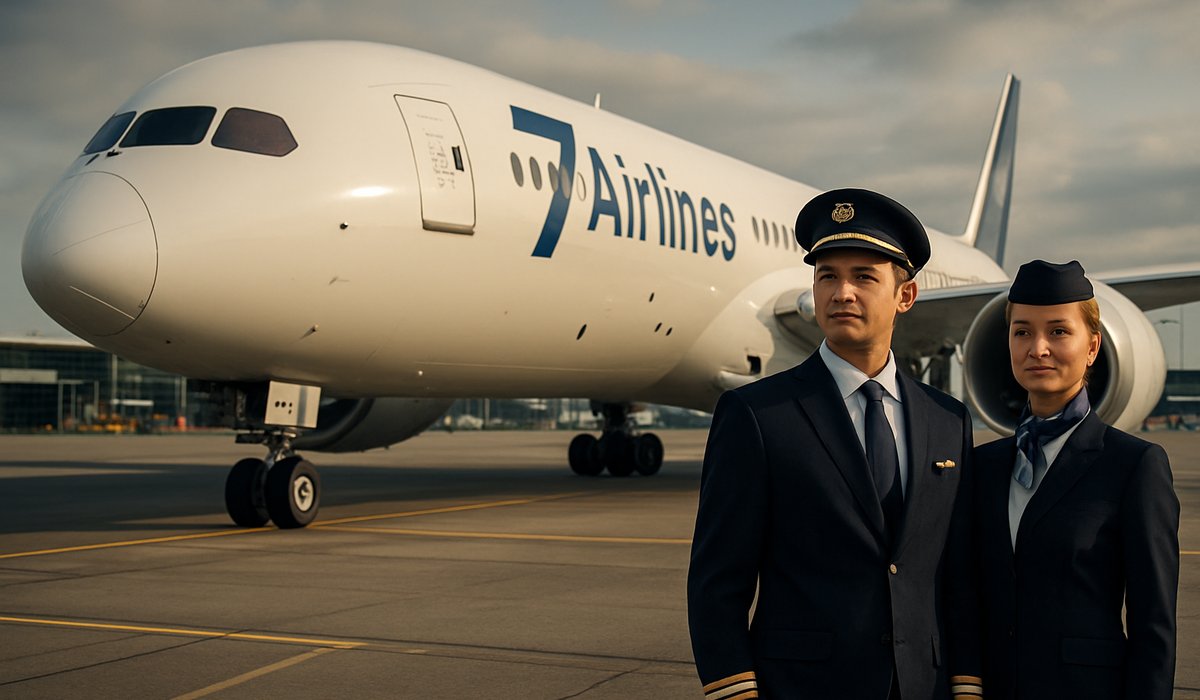
Image generated by AI
Leading Airlines Slash Operating Costs With Next-Generation Widebody Aircraft, Reshaping Industry Economics
Boeing 787 and Airbus A350 fuel efficiency gains intensify pressure on carriers clinging to aging fleets
The Widebody Revolution Reshaping Aviation Economics
The global aviation sector is experiencing a profound shift as leading international carriers aggressively modernize their long-haul fleets with cutting-edge widebody aircraft, fundamentally altering competitive dynamics and operational cost structures across the industry. New-generation jets—particularly the Boeing 787 Dreamliner and Airbus A350—are delivering fuel consumption reductions of approximately 20% per available seat compared to legacy platforms like the Boeing 777 and Airbus A330, industry analysis reveals.
This technological transformation arrives at a critical juncture for global aviation. With jet fuel accounting for roughly one-quarter of an airline's total operating expenditure, the efficiency gains translate directly into enhanced profitability and competitive positioning. For carriers navigating sustained pressure on margins and rising environmental regulations, fleet modernization has shifted from strategic preference to operational necessity.
Financial Imperatives Drive Fleet Transformation
The economics driving widebody modernization reflect both opportunity and constraint. While next-generation aircraft deliver substantial operational savings through reduced fuel burn, their acquisition costs remain prohibitively high for many carriers. This disparity creates a widening competitive gap, with well-capitalized airlines—predominantly legacy carriers and Gulf-based network hubs—securing decisive cost advantages over regional competitors and carriers facing capital constraints.
Industry experts note the timing proves particularly consequential given the sector's commitment to achieving net-zero carbon emissions by 2050. Regulatory frameworks increasingly penalizing fuel consumption and carbon output effectively accelerate the retirement of aging widebody platforms, making fleet modernization an unavoidable investment for long-term viability.
Market Consolidation and Competitive Pressure
The shift concentrates operational advantages among carriers with sufficient financial resources and access to aircraft leasing markets. Airlines commanding modern fleet compositions benefit from multiple simultaneous advantages: reduced fuel expenditures, lower maintenance expenses, superior cabin configurations enabling higher revenue yields, and enhanced environmental compliance positioning.
Conversely, carriers operating aging 777 and A330 fleets face mounting structural disadvantages—higher operational costs, reduced fuel efficiency, and increasingly restrictive regulatory environments. The competitive pressure creates a bifurcated market dynamic, where fleet composition increasingly determines profitability trajectories.
Strategic Implications for Global Aviation
As environmental mandates tighten and fuel price volatility persists, the widebody modernization wave will likely accelerate consolidation within global aviation markets. Airlines unable to access financing for fleet renewal face existential pressures, potentially driving further industry consolidation and route restructuring.
Frequently Asked Questions
What percentage of fuel savings do modern widebody aircraft achieve? The Boeing 787 Dreamliner and Airbus A350 deliver approximately 20% fuel burn reductions per seat compared to older Boeing 777 and Airbus A330 models, substantially impacting airline operating costs.
How much of an airline's budget goes toward jet fuel? Fuel typically represents roughly 25% of an airline's total operating expenditure, making aircraft efficiency directly correlated with profitability and pricing competitiveness.
Why can't all airlines upgrade to modern widebody fleets? Next-generation widebody aircraft carry exceptionally high acquisition costs, limiting fleet modernization access primarily to well-capitalized carriers, legacy airlines, and those with robust leasing arrangements.
How does widebody aircraft efficiency impact airline fees and ticket prices? Improved fuel efficiency reduces operational costs, theoretically enabling carriers to maintain competitive pricing while protecting margins—though competitive dynamics ultimately determine price-setting strategies.
What role does fleet modernization play in aviation's net-zero commitments? Modern widebody aircraft are essential to achieving industry carbon reduction targets, as fuel efficiency directly translates to lower emissions per passenger, supporting regulatory compliance and sustainability objectives.
Related Travel Guides
Flight Delay Compensation Guide 2026
Understanding Airline Route Changes
Airport Security Process Updated (2026)
External Resources
Disclaimer
This article is for informational and educational purposes only. It does not constitute legal, financial, or professional advice. While we strive to provide accurate and up-to-date information, travel policies, regulations, and conditions change rapidly. Always verify information with official sources before making travel decisions. Nomad Lawyer makes no representations about the accuracy, reliability, completeness, or suitability of the information provided. Readers should consult qualified professionals for advice specific to their circumstances. The views expressed in this article are those of the author and do not necessarily reflect the views of Nomad Lawyer.
Preeti Gunjan
Contributor & Community Manager
A passionate traveller and community builder. Preeti helps grow the Nomad Lawyer community, fostering engagement and bringing the reader experience to life.
Learn more about our team →