
Long-Haul Flight Attendants Face Persistent Pay Gaps as Airlines Struggle to Retain Cabin Crew in 2026
Breaking airline news and aviation industry updates for 2026.

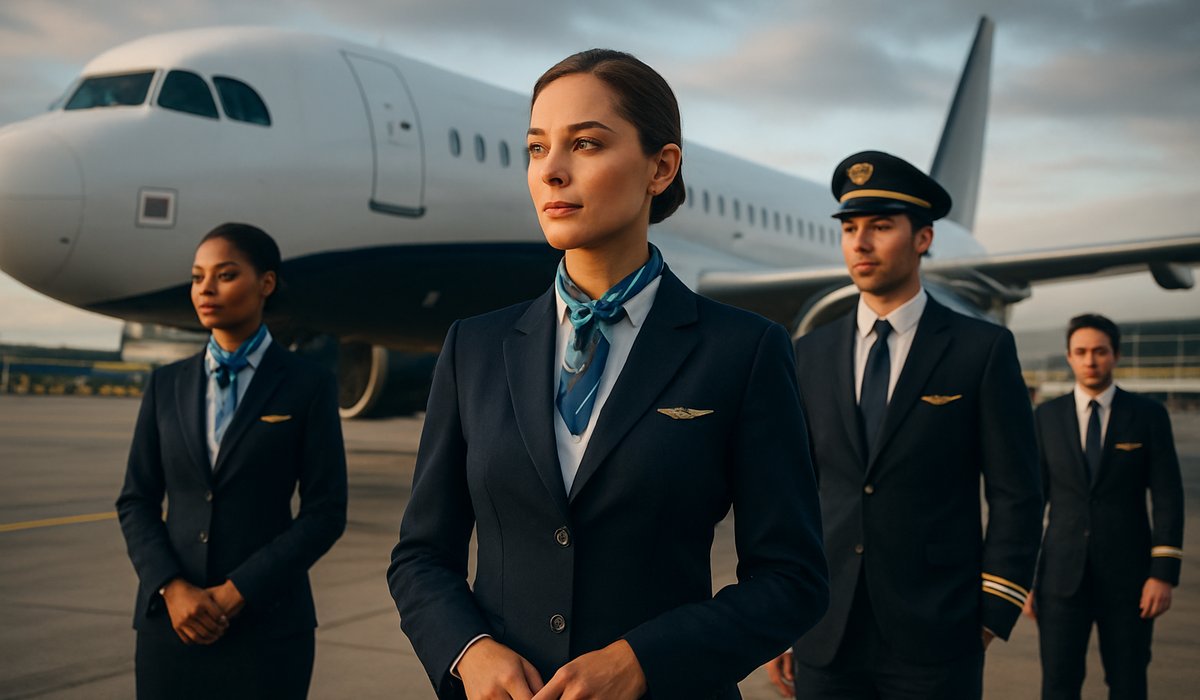
Image generated by AI
Long-Haul Flight Attendants Face Persistent Pay Gaps as Airlines Struggle to Retain Cabin Crew in 2026
Despite critical safety roles and demanding work conditions, flight attendants remain among the lowest-paid airline staff—raising concerns about industry-wide recruitment and service quality
The Frontline Crisis in Aviation Employment
Flight attendants represent one of aviation's largest employee groups, yet they continue to earn significantly less than other airline personnel despite performing essential safety functions and serving as the primary customer-facing representatives of their carriers. As the aviation industry navigates staffing challenges heading into 2026, compensation disparities for cabin crew are emerging as a critical issue affecting both workforce stability and passenger experience.
Understanding the Role and Its Demands
While regulatory frameworks mandate flight attendant presence aboard every commercial flight for safety compliance, passengers primarily encounter these professionals in service-oriented capacities. This dual responsibility—safety officer and hospitality provider—creates unique workplace pressures. Managing hundreds of passengers across international routes, handling medical emergencies, managing turbulence, and maintaining service standards simultaneously demands substantial physical and emotional labor throughout extended duty cycles.
The Compensation Conundrum
Despite their essential role in airline operations, flight attendants remain positioned at the lower end of airline wage scales. This compensation gap persists even as carriers face mounting pressure to retain experienced crew members capable of delivering quality service on premium long-haul routes. The disconnect between job criticality and wage levels has sparked industry-wide conversations about sustainability of current staffing models.
Industry-Wide Implications
The underpayment of cabin crew threatens multiple operational aspects. Airlines struggling with retention rates face elevated training costs, potential service degradation on international routes, and increased scheduling pressures on remaining staff. For passengers, inadequate crew compensation can correlate with higher turnover rates and reduced service consistency on long-haul flights—precisely where premium pricing and elevated customer expectations converge.
The structural issue reflects broader aviation economics: as airlines manage fuel surcharges, regulatory compliance costs, and competitive pricing pressures, labor optimization often comes at the expense of frontline workforce compensation. This creates a cycle where experienced flight attendants pursue career alternatives, leaving carriers dependent on junior staff during peak travel periods.
Looking Ahead
As 2026 approaches, major carriers face mounting pressure to reevaluate compensation structures for cabin crew. Market competition for talent, coupled with increased passenger demand on long-haul international routes, may force industry recalibration. Whether airlines voluntarily adjust pay structures or labor pressures force changes remains an open question—but the current model's sustainability appears increasingly doubtful.
FAQ: Flight Attendant Salaries and Aviation Employment
What is the typical salary range for long-haul flight attendants in 2026? Long-haul flight attendant compensation varies significantly by airline and region, but most major carriers pay base salaries between $28,000–$45,000 annually, with per diem allowances and flight hour premiums supplementing base pay.
Why are flight attendants paid less than other airline employees? Historical industry practices, union negotiation outcomes, and high labor supply relative to available positions have collectively depressed cabin crew wages compared to pilots, maintenance technicians, and ground operations staff.
How does flight attendant compensation affect airline service quality? Lower wages correlate with higher turnover rates, reduced training investments, and potential service inconsistencies—particularly problematic on premium long-haul routes where passenger expectations are highest.
Are flight attendant salaries increasing in the aviation industry? Some major carriers have recently negotiated modest wage increases, but systemwide salary growth remains constrained by competitive pricing pressures and fuel cost volatility.
What factors influence flight attendant pay besides base salary? Per diem payments, flight hour bonuses, seniority increments, international route premiums, and benefits packages significantly supplement base compensation across different airlines.
Related Travel Guides
Disclaimer
This article is for informational and educational purposes only. It does not constitute legal, financial, or professional advice. While we strive to provide accurate and up-to-date information, travel policies, regulations, and conditions change rapidly. Always verify information with official sources before making travel decisions. Nomad Lawyer makes no representations about the accuracy, reliability, completeness, or suitability of the information provided. Readers should consult qualified professionals for advice specific to their circumstances. The views expressed in this article are those of the author and do not necessarily reflect the views of Nomad Lawyer.
Raushan Kumar
Founder & Lead Developer
Full-stack developer with 11+ years of experience and a passionate traveller. Raushan built Nomad Lawyer from the ground up with a vision to create the best travel and law experience on the web.
Learn more about our team →