
Air France Phases Out Aging A330 Fleet by 2027, Accelerating Long-Haul Modernization
Breaking airline news and aviation industry updates for 2026.

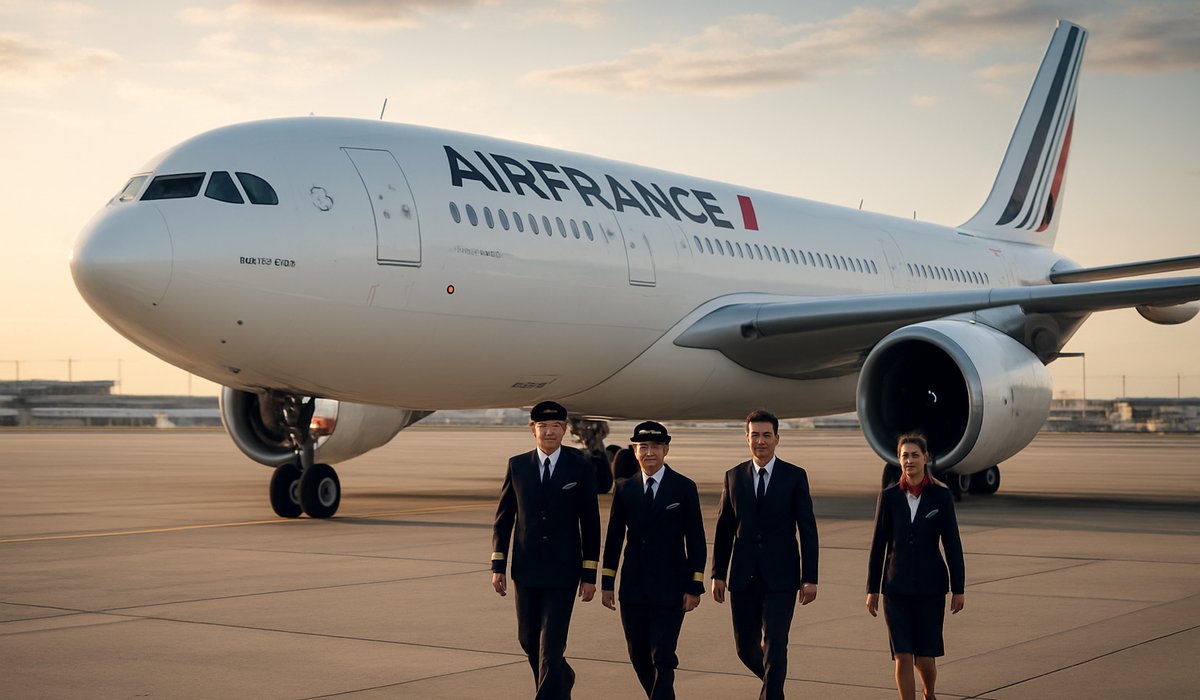
Image generated by AI
Air France Phases Out Aging A330 Fleet by 2027, Accelerating Long-Haul Modernization
French carrier to retire 25-year-old widebody aircraft as airline industry undergoes major fleet renewal cycle
A Quarter Century Comes to an End
Air France has announced a definitive exit timeline for its Airbus A330-200 widebody fleet, signaling the end of a quarter-century operational partnership with the aircraft type. Beginning in summer 2027, the French national carrier will systematically retire its A330-200s—currently the oldest widebody jets in its operational lineup—replacing them with newer, fuel-efficient alternatives including Boeing 787-9 Dreamliners and Airbus A350-900 aircraft.
According to flight scheduling data analyzed by aviation intelligence firm Cirium, Air France's A330 operations are not projected to extend beyond the first quarter of 2027, establishing a firm retirement window for the aircraft type across the carrier's network.
Strategic Fleet Modernization in a Competitive Market
The retirement announcement reflects broader industry trends as global carriers accelerate fleet renewal programs to reduce operating costs and environmental impact. Newer widebody aircraft like the 787-9 and A350-900 consume significantly less jet fuel per available seat kilometer, providing airlines with substantial cost advantages at a time when fuel prices remain volatile and tied to geopolitical developments.
Air France's transition represents a substantial capital investment in next-generation long-haul capacity. The replacement aircraft offer extended range capabilities, improved cabin comfort technology, and lower maintenance requirements—factors increasingly important as airlines compete for premium international travelers and manage operational efficiency metrics closely monitored by investors.
Industry Context: Fleet Modernization and Sustainability Pressures
The A330-200, which debuted in commercial service during the 1990s, has been a reliable workhorse for international carriers. However, modern aviation standards—including stricter carbon emission regulations, rising crew training costs, and increasing passenger expectations around cabin technology—have made retirement economically sensible for aging widebody fleets.
Air France's decision places the carrier in line with industry peers pursuing aggressive modernization strategies. European and international aviation regulators continue tightening environmental compliance standards, pushing airlines toward fuel-efficient alternatives. Airlines that fail to modernize risk losing competitive advantage on price-sensitive routes while facing higher operational expenses.
The replacement aircraft will enable Air France to optimize its long-haul network more effectively, potentially reducing seat-mile costs and improving profitability on key European-to-Asia and European-to-Americas routes that form the backbone of premium international travel.
What's Next for Air France
The French carrier has not disclosed specific details regarding final deployment schedules or the exact number of A330-200 aircraft affected by the retirement initiative. However, the 2027 timeline provides sufficient runway for Air France to execute an orderly transition while maintaining service continuity on existing international routes.
Frequently Asked Questions
Q: Why are airlines retiring older widebody aircraft like the A330? A: Newer aircraft like the 787-9 and A350-900 offer 20-25% better fuel efficiency, lower maintenance costs, and reduced carbon emissions—critical advantages as jet fuel prices fluctuate with global energy markets and environmental regulations tighten.
Q: How does jet fuel consumption affect airline profitability? A: Fuel typically represents 25-35% of operating expenses for international carriers. Fuel-efficient aircraft directly impact margins, particularly on long-haul routes where fuel burn is highest.
Q: What makes the Boeing 787-9 and Airbus A350-900 superior to the A330? A: Both newer aircraft feature composite construction, advanced avionics, superior range, and greater fuel efficiency, while offering comparable or larger passenger capacities with lower per-seat operating costs.
Q: Will A330 retirements affect air travel prices? A: Fleet modernization may stabilize fares long-term by reducing fuel surcharges, though near-term ticket prices depend on broader market competition and demand dynamics.
Q: Are other airlines also retiring A330 fleets? A: Yes—A330 retirements are industry-wide as carriers pursue next-generation widebody replacements, reflecting a natural fleet lifecycle evolution.
Related Travel Guides
Flight Delay Compensation Guide 2026
Understanding Airline Route Changes
Airport Security Process Updated (2026)
External Resources
Disclaimer
This article is for informational and educational purposes only. It does not constitute legal, financial, or professional advice. While we strive to provide accurate and up-to-date information, travel policies, regulations, and conditions change rapidly. Always verify information with official sources before making travel decisions. Nomad Lawyer makes no representations about the accuracy, reliability, completeness, or suitability of the information provided. Readers should consult qualified professionals for advice specific to their circumstances. The views expressed in this article are those of the author and do not necessarily reflect the views of Nomad Lawyer.
Raushan Kumar
Founder & Lead Developer
Full-stack developer with 11+ years of experience and a passionate traveller. Raushan built Nomad Lawyer from the ground up with a vision to create the best travel and law experience on the web.
Learn more about our team →