
GCAP Fighter Jet Emerges as Europe's Only Viable Sixth-Generation Combat Aircraft for International Markets
Breaking airline news and aviation industry updates for 2026.

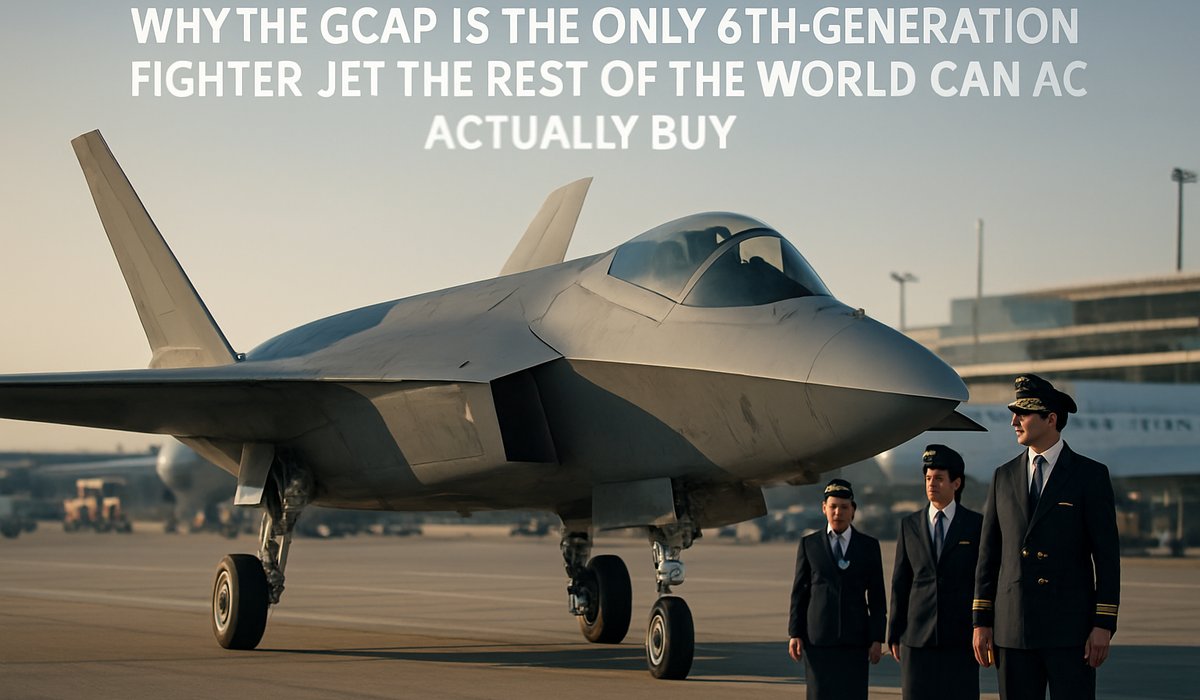
Image generated by AI
GCAP Fighter Jet Emerges as Europe's Only Viable Sixth-Generation Combat Aircraft for International Markets
As Germany exits Franco-Spanish fighter program, Britain-led initiative positions itself as the accessible alternative to US and Chinese combat technology
Europe's Fighter Jet Landscape Shifts Dramatically
The collapse of continental Europe's ambitious fighter jet ambitions has fundamentally reshaped the global defense aviation market. Germany's unexpected withdrawal from the Franco-Spanish FCAS sixth-generation fighter program in June 2026 has left the Global Combat Air Programme (GCAP), led by the United Kingdom, as Europe's sole credible next-generation combat aircraft initiative available for international purchase.
The German exit marks a seismic fault line in European defense cooperation, eliminating what was envisioned as a flagship continental project. This strategic pivot has positioned the GCAP—also known as the Tempest—as the predominant European alternative for nations seeking advanced fighter capabilities without dependence on American F-35 procurement or the geopolitical complications of Chinese military technology.
GCAP's Market Positioning and Design Philosophy
The Tempest initiative distinguishes itself through deliberate export-oriented architecture. Unlike purely domestic programs constrained by national security restrictions, the GCAP framework was engineered from inception with international customer accessibility as a central design consideration.
The aircraft itself represents a substantial sixth-generation platform optimized for air superiority while maintaining comprehensive multirole capabilities. This dual-focus approach addresses the operational requirements of allied nations seeking flexibility across diverse combat scenarios—from territorial defense to expeditionary operations.
The program has assembled a formidable international coalition including the United Kingdom, Italy, and Japan, creating a geopolitically balanced partnership that appeals to nations wary of single-power dependencies.
Strategic Implications for Global Defense Procurement
Germany's decision to withdraw reflects broader tensions within European defense spending and industrial consolidation pressures. The collapse of the FCAS initiative underscores the escalating costs and technical complexities of sixth-generation development, challenges that continue to plague most advanced combat aircraft programs globally.
For nations evaluating long-term fighter acquisitions, the GCAP's emergence as Europe's primary open-market option represents a substantive geopolitical development. The program offers democratic allied nations an independent technological pathway, reducing reliance on American defense industrial capacity while avoiding non-aligned security implications.
Industry analysts project that the Tempest's export potential could reshape regional air force compositions across NATO allies, Commonwealth nations, and strategically aligned democracies throughout the Indo-Pacific region.
FAQ
What happened to the FCAS fighter jet program? Germany withdrew from the Franco-Spanish FCAS (Future Combat Air System) sixth-generation fighter initiative in June 2026, citing collaboration difficulties and cost pressures.
Which countries are developing the GCAP fighter jet? The United Kingdom leads the Global Combat Air Programme in partnership with Italy and Japan, with additional allied participation under discussion.
How does GCAP differ from other sixth-generation fighters? The Tempest emphasizes export accessibility and multirole versatility, contrasting with domestically-restricted programs like the US-led platforms.
When will GCAP fighters become operational? The program targets initial operational capability in the 2030s, though exact timelines remain subject to development milestones.
Which nations might purchase GCAP aircraft? Potential customers include NATO allies, Commonwealth nations, and Indo-Pacific democracies seeking advanced capabilities independent of American supply chains.
Related Travel Guides
External Resources
Disclaimer
This article is for informational and educational purposes only. It does not constitute legal, financial, or professional advice. While we strive to provide accurate and up-to-date information, travel policies, regulations, and conditions change rapidly. Always verify information with official sources before making travel decisions. Nomad Lawyer makes no representations about the accuracy, reliability, completeness, or suitability of the information provided. Readers should consult qualified professionals for advice specific to their circumstances. The views expressed in this article are those of the author and do not necessarily reflect the views of Nomad Lawyer.
Preeti Gunjan
Contributor & Community Manager
A passionate traveller and community builder. Preeti helps grow the Nomad Lawyer community, fostering engagement and bringing the reader experience to life.
Learn more about our team →